Wall Street's Revelation: Tokenization Isn't Banking's Nemesis, It's Its Next Evolution
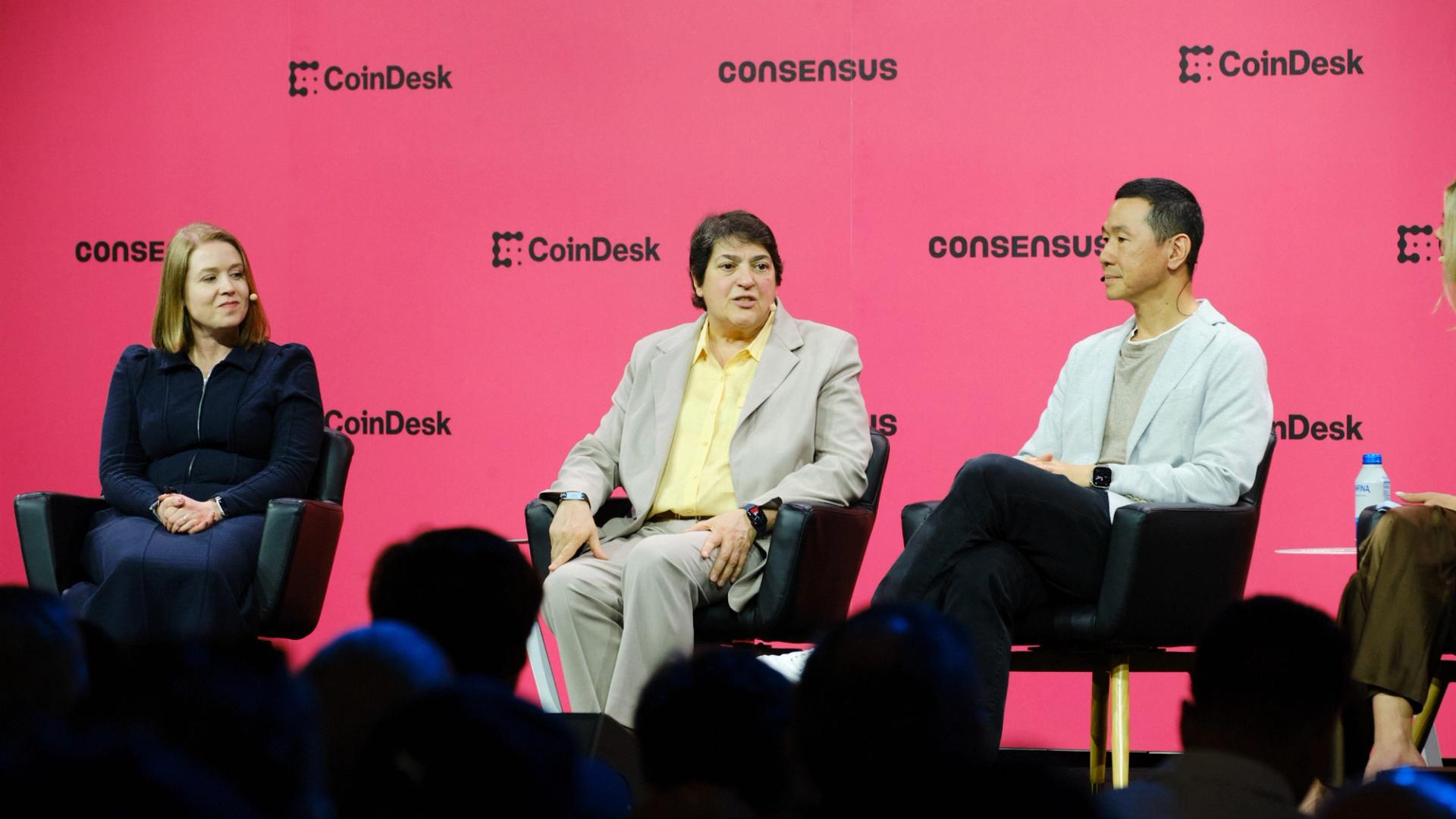
The cryptocurrency world often thrives on narratives of disruption, where decentralized protocols challenge the entrenched power of traditional financial institutions. Yet, a recent consensus emerging from the highest echelons of Wall Street paints a markedly different picture. At the recent Consensus conference, executives from financial giants like Citigroup, JPMorgan, and the Depository Trust & Clearing Corporation (DTCC) didn't just acknowledge tokenization; they embraced it, asserting that this technology isn't poised to dismantle existing banking rails but rather to profoundly improve them. This perspective marks a significant paradigm shift, signaling a mature and pragmatic approach from institutions that once viewed blockchain with skepticism, now recognizing genuine client demand as the driving force behind the real-world utility of tokenized assets.
The Pragmatic Shift: From Skepticism to Strategy
For years, Wall Street's engagement with blockchain technology was often characterized by a cautious, experimental stance, sometimes tinged with outright dismissal of its disruptive potential in established markets. Initial forays were often confined to private, permissioned blockchains or limited pilot programs. However, the statements from Citigroup, JPMorgan, and DTCC executives at Consensus represent a definitive turning point. This isn't merely exploration; it's a strategic endorsement of tokenization as a core component of future financial infrastructure.
The key takeaway is a move away from the 'blockchain for blockchain's sake' mentality towards a utility-driven adoption. When executives from institutions handling trillions in assets speak of 'improving' banking rails rather than 'disrupting' them, it signals a powerful recalibration of strategy. They are viewing tokenization not as an external threat, but as an internal innovation mechanism, designed to augment the efficiency, speed, and transparency of their existing operations and client services. This nuanced understanding distinguishes between the foundational technology (blockchain/DLT) and the specific application (tokenization of assets) within a regulated, institutional context.
Unpacking the 'Improvement' Thesis: Efficiency, Speed, and Liquidity
So, how precisely will tokenization improve banking rails? The answers lie in several critical areas:
- Enhanced Efficiency and Cost Reduction: Tokenization fundamentally streamlines many back-office processes. By representing assets on a distributed ledger, intermediaries can be reduced, reconciliation efforts minimized, and manual errors curtailed. This leads to significant operational cost savings for financial institutions, which can then be passed on to clients or reinvested.
- Accelerated Settlement Times: The promise of near-instantaneous or T+0 settlement for a wide array of assets is perhaps the most compelling benefit. Traditional financial markets often operate on T+2 or T+3 settlement cycles, locking up capital and introducing counterparty risk. Tokenization, particularly with atomic swaps and smart contract automation, can dramatically reduce this timeframe, freeing up liquidity and mitigating risk.
- Fractionalization and Broader Access: Tokenizing illiquid assets like real estate, private equity, or fine art allows for fractional ownership. This dramatically lowers the barrier to entry for a broader range of investors, democratizing access to previously exclusive asset classes. For banks, this opens up new revenue streams and client segments.
- Programmability and Automation: Smart contracts embedded within tokenized assets allow for automated execution of complex financial agreements—think automated dividend distributions, collateral management, or compliance checks. This reduces manual intervention and minimizes human error, enhancing the robustness and reliability of financial operations.
- Increased Transparency and Auditability: Blockchain's immutable ledger provides a clear, verifiable, and tamper-proof record of ownership and transactions. This enhanced transparency can simplify regulatory reporting, improve audit trails, and bolster investor confidence.
Client Demand: The Real Catalyst for Institutional Adoption
The pivotal point reiterated by these executives is that genuine client demand is driving this shift. This isn't just financial institutions pushing new tech; it's a response to concrete needs from institutional investors, asset managers, and corporate clients. These sophisticated market participants are seeking better liquidity solutions, more efficient ways to manage collateral, faster settlement for complex transactions, and access to new investment opportunities. They've recognized the potential of digital assets to solve tangible problems within their own portfolios and operational workflows.
When clients — particularly large institutional ones — start asking for tokenized products and services, it creates an undeniable impetus for banks to innovate. This market-driven adoption validates the utility of tokenization beyond speculative trading, cementing its place as a practical solution for real-world financial challenges.
DTCC's Pivotal Role in Infrastructure Evolution
The involvement of the DTCC in this discussion is particularly noteworthy. As the primary post-trade market infrastructure for the U.S. securities industry, clearing and settling trillions of dollars in transactions daily, the DTCC's perspective carries immense weight. Their endorsement of tokenization as an 'improvement' rather than a 'disruption' underscores the commitment to integrating this technology into the very core of market operations. DTCC's work on projects like Project Ion, which explores the use of DLT for accelerating settlement, exemplifies how critical infrastructure providers are evolving to meet the demands of a digital future while maintaining market stability and integrity. Their participation ensures that tokenization initiatives will be built with scalability, resilience, and regulatory compliance at their foundation.
Navigating Regulatory Waters and Embracing Hybridity
While the technological benefits are clear, the path to widespread institutional tokenization is not without its hurdles. Regulatory clarity remains paramount. Financial institutions operate within stringent regulatory frameworks, and the widespread adoption of tokenized assets requires clear guidelines regarding ownership, custody, transferability, and tax implications across various jurisdictions. The active involvement of major banks and infrastructure providers like DTCC, however, is a positive development, as their deep regulatory expertise and influence can help shape pragmatic and effective frameworks.
Ultimately, the vision articulated by these Wall Street executives points to a 'hybrid' future for finance. This future will likely see traditional financial rails coexisting and interweaving with blockchain-based ledgers. Assets might exist simultaneously in traditional ledger systems and as tokenized representations. The focus will be on interoperability and seamless flow of value, leveraging the strengths of both centralized and decentralized technologies to create a more efficient, resilient, and inclusive financial ecosystem.
Conclusion: A Collaborative Future for Finance
The consensus from Citigroup, JPMorgan, and DTCC at Consensus 2024 is a resounding affirmation: tokenization is not an existential threat to traditional banking but a powerful technological tool poised to redefine and optimize its operations. Driven by genuine client demand for efficiency, speed, and innovative financial products, major financial institutions are embracing tokenization as a strategic imperative. This shift from apprehension to active integration heralds a future where blockchain technology underpins and enhances, rather than overturns, the fundamental mechanisms of global finance. As a Senior Crypto Analyst, I view this as a critical validation of blockchain's enterprise utility and a significant step towards a more interconnected and efficient financial world, built on collaboration rather than outright confrontation.