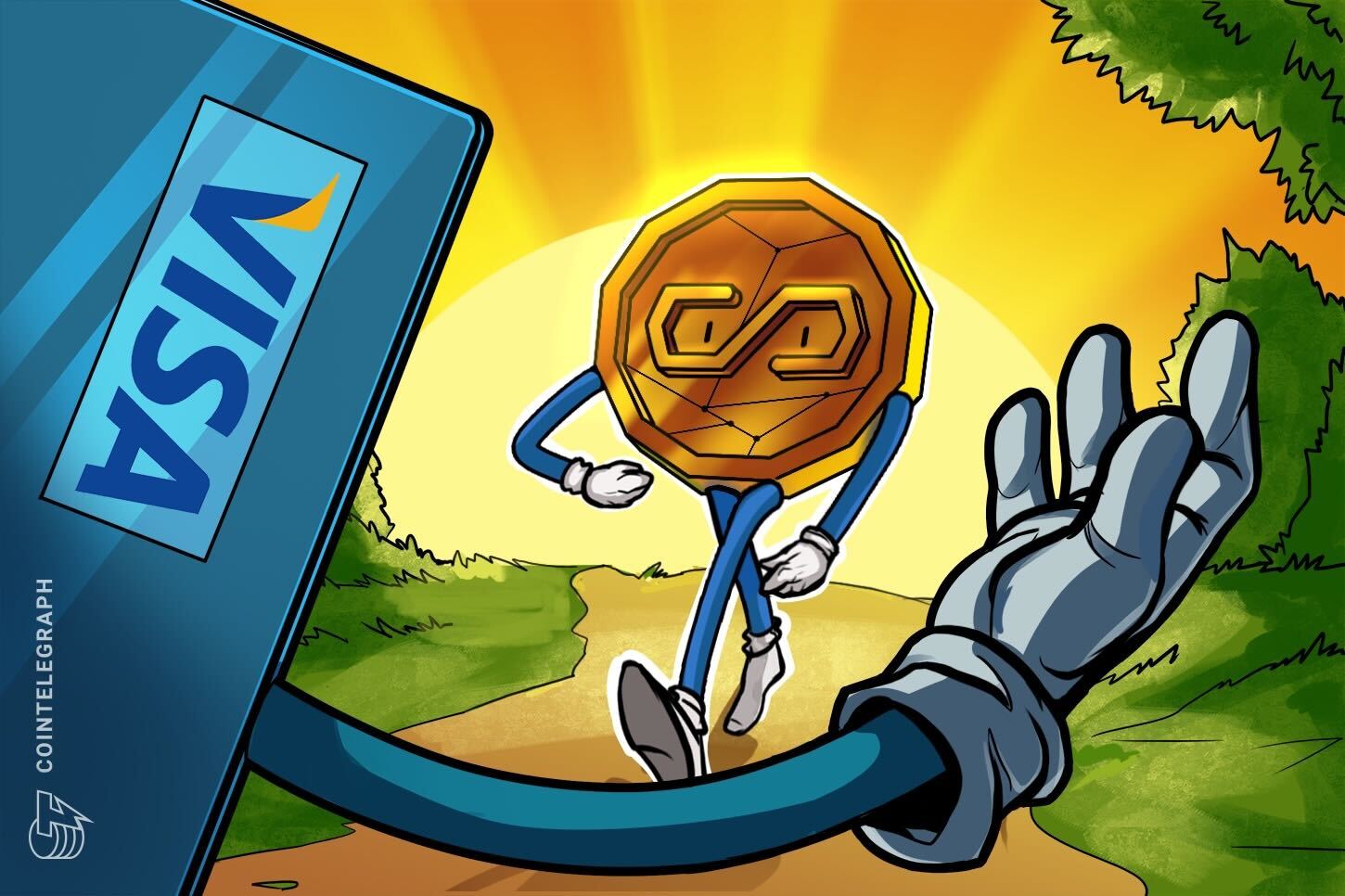
The Convergence of Giants: Visa, Dunamu, and the Future of Payments
In a move signaling a seismic shift in the global financial landscape, payment processing behemoth Visa has announced a strategic collaboration with Dunamu, the parent company of South Korea's largest cryptocurrency exchange, Upbit. This groundbreaking partnership aims to explore and develop stablecoin payments and remittances, alongside leveraging artificial intelligence (AI) to revolutionize commerce. With Open Standard’s proposed OUSD among the stablecoin projects under consideration, this initiative represents a significant bridge between traditional finance (TradFi) and the burgeoning digital asset economy, promising to redefine how value is transferred and transacted worldwide.
As a Senior Crypto Analyst, I view this collaboration not merely as a business deal, but as a strategic imperative for Visa to maintain its competitive edge in an increasingly digitized world, and for Dunamu to solidify its position at the forefront of crypto innovation. It underscores the undeniable trajectory of stablecoins toward mainstream adoption and the critical role AI will play in enhancing their utility.
Visa's Vision: Embracing Digital Assets for Global Reach
Visa, a company built on facilitating seamless transactions across borders, has long recognized the disruptive potential of blockchain technology and digital currencies. Its engagement in various crypto-related initiatives, including USDC settlements and CBDC research, demonstrates a proactive strategy to adapt rather than be disrupted. The partnership with Dunamu, an entity deeply entrenched in the vibrant Asian crypto market through Upbit, provides Visa with a crucial conduit to a vast and technically sophisticated user base.
The decision to focus on stablecoins is particularly astute. Stablecoins, pegged to fiat currencies, offer the price stability of traditional money combined with the efficiency, speed, and low cost of blockchain transactions. This makes them ideal candidates for everyday payments and, crucially, for international remittances – a market segment ripe for innovation and reduction of exorbitant fees. By reviewing projects like OUSD, Visa signals an interest in stablecoins that meet specific criteria for regulatory compliance, auditability, and scalability, factors essential for institutional adoption.
Dunamu's Edge: Bridging Crypto Expertise with Mainstream Adoption
Dunamu's involvement is equally pivotal. As the operator of Upbit, a top-tier exchange, it brings unparalleled expertise in digital asset infrastructure, security, and user experience within the crypto ecosystem. This partnership allows Dunamu to extend the utility of digital assets beyond speculative trading, pushing them into practical, everyday financial applications. It leverages Upbit's extensive user base and technical prowess to potentially pilot and scale these stablecoin solutions, offering real-world use cases for its community.
For the crypto industry, this collaboration is a powerful validation. It signifies that major TradFi players are no longer just observing but actively integrating digital assets into their core business models. It also paves the way for greater regulatory clarity and acceptance, as collaborations involving entities like Visa typically demand high standards of compliance and consumer protection.
The AI-Commerce Frontier: Beyond Payments
Beyond stablecoins, the integration of AI into commerce represents a forward-thinking dimension of this partnership. AI can dramatically enhance the user experience and operational efficiency of digital payments:
- Fraud Detection: Advanced AI algorithms can identify and prevent fraudulent transactions in real-time, improving security for stablecoin payments.
- Personalized Experiences: AI can analyze spending patterns to offer personalized promotions, rewards, and financial insights to users.
- Automated Settlements: For businesses, AI can streamline reconciliation and automate payments, reducing manual overhead.
- Dynamic Pricing & Inventory: In an e-commerce context, AI can optimize pricing strategies and manage inventory based on real-time demand, seamlessly integrating with stablecoin settlements.
This synergy between AI and stablecoins hints at a future where financial transactions are not just fast and cheap, but also intelligent, predictive, and highly personalized. It moves beyond simple payment processing towards an integrated commerce ecosystem.
Implications for the Global Payment Ecosystem
This collaboration carries profound implications for the broader financial services industry:
- Accelerated Stablecoin Adoption: A successful rollout could significantly accelerate the mainstream adoption of stablecoins for everyday transactions and remittances globally.
- Increased Competition for Traditional Remittance Services: By offering cheaper and faster alternatives, Visa and Dunamu could disrupt traditional money transfer services.
- Regulatory Scrutiny and Innovation: Such high-profile partnerships often prompt regulators to provide clearer guidelines for digital assets, fostering a more secure environment for innovation.
- Bridging Centralized and Decentralized Finance: While Visa operates on a centralized model, its engagement with blockchain and stablecoins blurs the lines, potentially leading to hybrid financial models.
Challenges remain, particularly concerning regulatory harmonization across different jurisdictions and ensuring interoperability between various stablecoin standards. However, the combined expertise and market reach of Visa and Dunamu position them uniquely to navigate these complexities.
Conclusion: A Glimpse into the Future of Finance
The partnership between Visa and Dunamu is more than just a headline; it's a blueprint for the future of finance. It represents a potent fusion of traditional financial infrastructure with cutting-edge blockchain and AI capabilities. By focusing on stablecoin payments and AI-enhanced commerce, these two industry leaders are not just adapting to the digital age but actively shaping it. This initiative will likely serve as a crucial test case, providing invaluable insights into the practical application of digital assets and intelligent technologies in global commerce, ultimately benefiting consumers and businesses seeking more efficient, secure, and inclusive financial services.