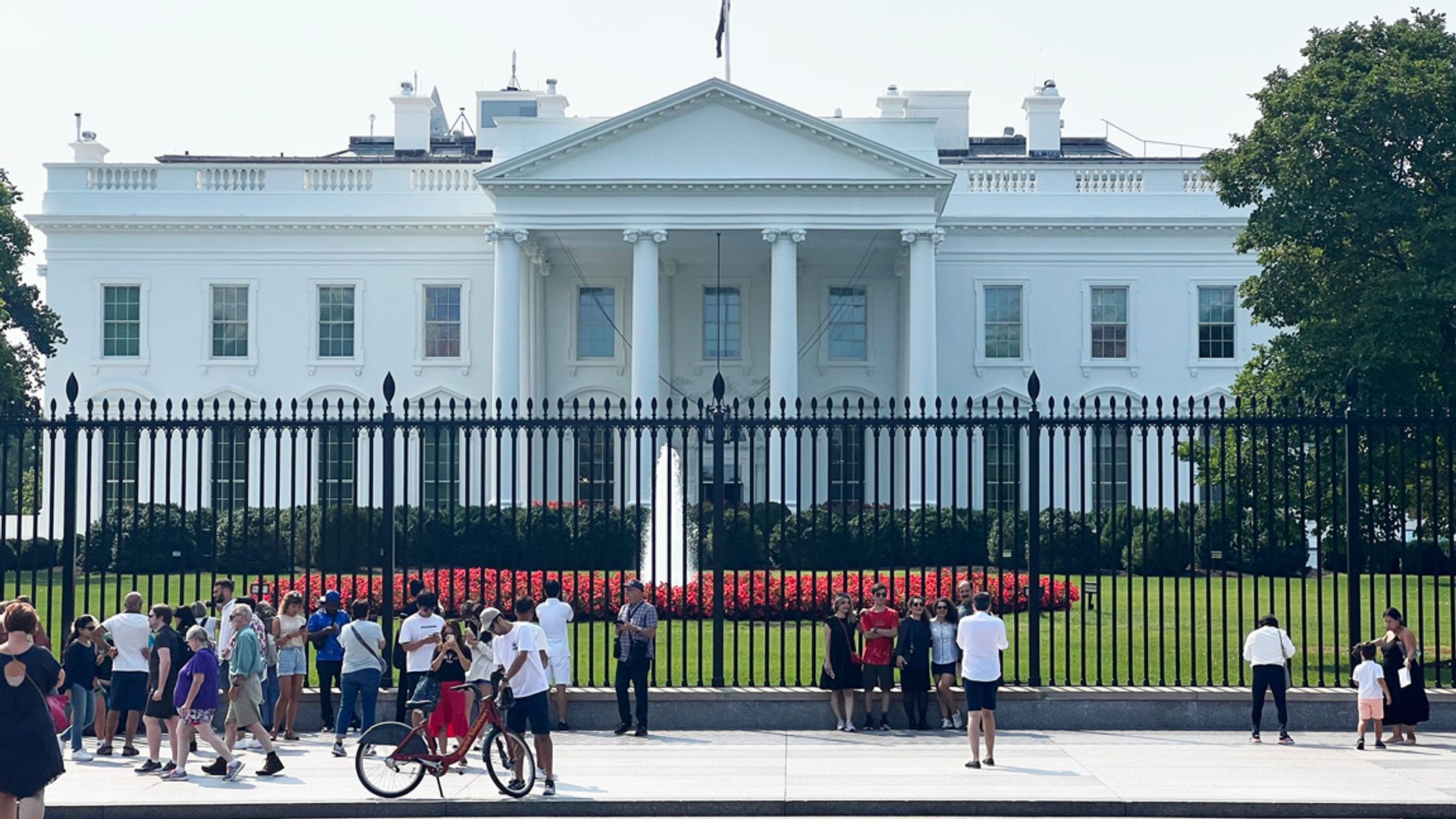
The White House Signals a Monumental Shift in Digital Asset Strategy
In a move that could redefine the United States' approach to digital assets, the White House has confirmed it is actively evaluating the "best structure" for a federal fund designed to hold Bitcoin as a long-term reserve. This pivotal announcement, which also includes plans for a separate stockpile of other crypto assets, transcends mere regulatory discussions, signaling a profound strategic reorientation that could have far-reaching implications for global finance, national security, and the cryptocurrency market itself.
As a Senior Crypto Analyst, the significance of this revelation cannot be overstated. For years, the U.S. government's stance on cryptocurrencies largely oscillated between cautious skepticism and a focus on mitigating risks related to illicit finance. While regulatory bodies have been tasked with crafting frameworks, the idea of the federal government itself becoming a direct holder of a substantial Bitcoin reserve moves the conversation from oversight to strategic asset integration. This isn't just about regulation; it's about recognition of Bitcoin's enduring value and its potential role in a nation's sovereign financial architecture.
From Skepticism to Strategic Imperative: Unpacking the Paradigm Shift
The transition from viewing Bitcoin primarily as a speculative asset or a tool for illicit activities to considering it a potential long-term reserve asset for the federal government represents a monumental shift in perception. This evolution likely stems from a combination of factors: Bitcoin's growing institutional adoption, its proven resilience over more than a decade, the increasing global competition in digital asset innovation (including central bank digital currencies, or CBDCs), and perhaps a quiet acknowledgment of its potential as a hedge against fiat currency inflation or a diversification tool for traditional reserves.
Such a decision would place the U.S. government in an exclusive club, alongside nations like El Salvador, which has adopted Bitcoin as legal tender, albeit on a far smaller scale. For the world's largest economy, establishing a federal Bitcoin reserve would not only legitimize the asset further but also send a powerful signal to international markets, potentially driving a new wave of institutional and sovereign interest in the digital asset space.
Deconstructing the "Best Structure": A Labyrinth of Challenges
The White House's emphasis on finding the "best structure" hints at the immense complexity involved in such an undertaking. Building a federal fund for digital assets isn't merely about buying Bitcoin; it entails navigating a labyrinth of legal, operational, security, and economic challenges. From a legal standpoint, establishing such a fund would require careful consideration of existing statutes, potentially necessitating new legislation or executive orders to define its mandate, governance, and oversight. Which federal agencies would be responsible? The Treasury Department, the Federal Reserve, or perhaps a new, specialized entity? Each choice carries distinct implications for policy and execution.
Security and custody present another formidable hurdle. Storing potentially billions, if not trillions, of dollars worth of Bitcoin demands state-of-the-art cybersecurity and physical security protocols, likely involving multi-signature cold storage solutions distributed geographically. The risk of state-sponsored hacks or insider threats would be paramount, requiring an unprecedented level of diligence. Furthermore, accounting for highly volatile assets like Bitcoin on federal balance sheets would necessitate novel approaches to valuation, impairment rules, and financial reporting, far beyond the scope of traditional reserve assets like gold or foreign currencies. Operational logistics, including the method of acquisition (open market purchases versus other mechanisms) and the criteria for managing and potentially deploying these assets, would also require meticulous planning.
The Strategic Rationale: Why Bitcoin and Beyond?
The motivations behind a federal Bitcoin reserve are likely multifaceted. One key driver could be strategic diversification. In an era of unprecedented monetary expansion and geopolitical uncertainty, Bitcoin offers an uncorrelated asset class that operates outside traditional financial systems. It could serve as a hedge against inflation, a sovereign store of value in the digital age, and a tool to maintain financial stability. Another crucial aspect is national security. A federal stockpile could consolidate assets seized from ransomware attacks, sanctions evasion, or other illicit activities, transforming them from a liability into a strategic resource. This also positions the U.S. at the forefront of understanding and leveraging digital asset technology for intelligence and defense purposes.
The White House's mention of a "separate stockpile of other crypto assets" is equally intriguing. While Bitcoin is the primary focus for a long-term reserve, this separate fund could encompass a wider array of digital assets like Ethereum (for its smart contract capabilities and role in decentralized finance), stablecoins (for potential use in digital payments or international transactions), or even other specialized tokens. These assets might serve different, more dynamic purposes than Bitcoin, such as supporting innovation, facilitating specific government operations, or managing a portfolio of seized digital illicit gains with varying recovery prospects.
Market Implications and Geopolitical Ripple Effects
The long-term market implications of the U.S. government becoming a direct holder of Bitcoin and other crypto assets are profoundly positive. It would provide an unparalleled level of legitimacy to the asset class, potentially accelerating institutional adoption and encouraging further regulatory clarity. The prospect of the world's largest economy holding Bitcoin as a reserve could act as a significant demand floor, fundamentally altering market dynamics and investor sentiment. It would likely catalyze other nations and central banks to seriously re-evaluate their own digital asset strategies, potentially igniting a "crypto arms race" as countries vie for technological and financial supremacy in the digital age.
This move is not merely a financial decision; it's a geopolitical statement. It underscores the U.S.'s intent to remain a leader in financial innovation and to adapt its monetary and strategic frameworks to the realities of a rapidly digitizing global economy. While the path to establishing and operationalizing such funds will be fraught with challenges and require extensive inter-agency collaboration, the White House's commitment to evaluating this structure marks an indelible turning point. It's a clear signal that digital assets, particularly Bitcoin, are no longer just fringe investments but are now firmly on the table as strategic assets for the most powerful governments in the world.