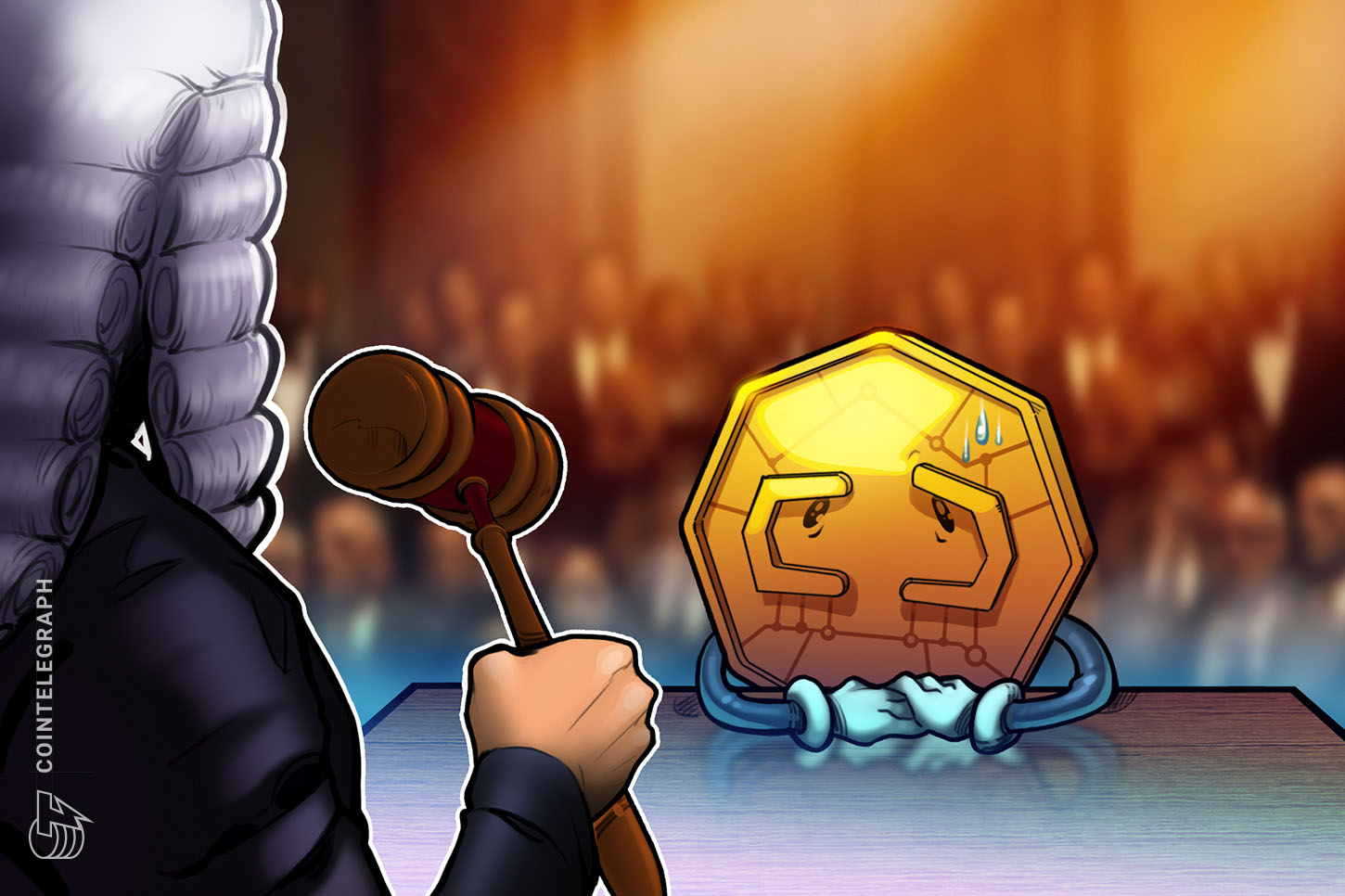
Unicoin Fires Legal Shot: Sues Uniswap Labs, Demands Cancellation of UNI Registration in Landmark Crypto Trademark Battle
In a development that underscores the increasing friction between traditional legal frameworks and the burgeoning decentralized finance (DeFi) ecosystem, Unicoin has filed a lawsuit against Uniswap Labs, the developer behind the pioneering Uniswap protocol. The lawsuit, aimed at challenging Uniswap's proprietary claims, specifically seeks the cancellation of the UNI registration, setting the stage for a potentially landmark legal battle over brand identity and intellectual property within the crypto space. This pre-emptive legal maneuver by Unicoin, which involves seeking declarations on its own marks and domains, comes after Uniswap’s counsel reportedly sent three letters to Unicoin prior to its September 28th launch, indicating a brewing conflict long before the formal legal action.
The Genesis of a Crypto Conundrum: Pre-emptive Strikes and Brand Clash
The core of this dispute lies in the perceived overlap between Unicoin's branding and Uniswap's well-established 'UNI' token and associated ecosystem. Uniswap, a decentralized exchange protocol, has been a cornerstone of the DeFi movement, with its UNI token serving as a governance asset. The decision by Unicoin to initiate legal proceedings is particularly intriguing because it appears to be a defensive yet aggressive strategy. By seeking a declaratory judgment, Unicoin is asking the court to affirm its right to use its chosen marks and domains, effectively aiming to nullify any potential infringement claims from Uniswap Labs. The fact that Uniswap's legal team had already issued warnings via letters prior to Unicoin's launch highlights the proactive stance taken by the DeFi giant in protecting its brand equity. This implies Uniswap perceived a significant risk of confusion or dilution from Unicoin’s branding even before the latter formally entered the market.
Navigating the Murky Waters: Trademark Law in a Decentralized World
This lawsuit brings to the forefront a persistent challenge within the crypto industry: how traditional intellectual property and trademark laws apply to decentralized, often open-source projects, and their associated tokens. Trademark law is fundamentally designed to prevent consumer confusion regarding the source of goods or services. In this context, the central question will likely revolve around whether the name 'Unicoin' or its associated marks are sufficiently similar to 'Uniswap' or 'UNI' to cause a likelihood of confusion among average crypto users and investors. The 'UNI' ticker symbol is widely recognized as representing Uniswap, making any similar-sounding project a potential target for an infringement claim. Courts will have to grapple with the unique characteristics of crypto assets, where names, tickers, and domain names often intertwine to form a project's identity, sometimes blurring the lines between a company, a protocol, and a digital asset.
Furthermore, the concept of 'dilution' could also play a role. Even if there isn't direct consumer confusion, Uniswap could argue that Unicoin’s use of a similar name diminishes the distinctiveness and reputation of its own highly recognized UNI brand. This case could set a crucial precedent for how future crypto projects choose their names and tickers, forcing a more stringent approach to branding to avoid potential legal pitfalls with established players.
Broader Implications for DeFi and the Crypto Ecosystem
The outcome of Unicoin v. Uniswap Labs extends far beyond the two entities involved. It holds significant implications for the broader DeFi and crypto ecosystem, particularly concerning brand protection, innovation, and regulatory clarity. For established protocols like Uniswap, this case underscores the increasing need to vigorously defend their intellectual property in an environment where new projects emerge daily, sometimes with names that intentionally or unintentionally echo existing brands. Failure to do so could lead to a proliferation of confusingly similar projects, eroding brand value and potentially harming users.
Conversely, for new innovators, the lawsuit serves as a stark reminder of the legal landscape they must navigate. While decentralization is a core tenet, the entities developing and promoting these protocols often operate within traditional legal jurisdictions, making them susceptible to conventional lawsuits. This could stifle innovation if project founders become overly cautious about naming conventions, or it could force them to engage in extensive legal due diligence from the outset, adding to development costs and timelines. Moreover, such high-profile legal battles draw increased attention from regulators, who are already scrutinizing the crypto space. Clarity on intellectual property rights could eventually feed into broader regulatory frameworks for digital assets.
Unpacking the Legal Strategies: Pre-emptive Declarations vs. Brand Defense
Unicoin's decision to seek declaratory judgments on its marks and domains before its official launch is a sophisticated legal maneuver. It aims to get ahead of any potential cease-and-desist orders or injunctions from Uniswap. By proactively asking a court to affirm its rights, Unicoin is attempting to clear its path for operation without the constant threat of a trademark infringement lawsuit looming overhead. This strategy forces Uniswap to actively defend its claims in court rather than simply sending warning letters.
Uniswap Labs, on the other hand, will likely leverage its established market presence, widespread brand recognition, and prior use of the 'UNI' mark to argue for consumer confusion and potential dilution. Their earlier communications suggest a robust defense strategy was already being formulated. The strength of Uniswap's argument will heavily depend on how distinct the 'UNI' brand is in the minds of the average crypto consumer and whether Unicoin’s branding creates a strong association with Uniswap's products or services.
The Road Ahead: Potential Outcomes and Industry Maturation
The resolution of this case could take several forms. A settlement, often the path of least resistance in such disputes, might see Unicoin agreeing to certain branding modifications or a license agreement. Alternatively, a court ruling could either uphold Unicoin's right to its name, potentially forcing Uniswap to relinquish certain claims or accept the co-existence, or rule in favor of Uniswap, which could compel Unicoin to undergo a costly and damaging rebrand. Regardless of the specific outcome, this case is a testament to the increasing maturity of the crypto industry. As digital assets and decentralized protocols gain mainstream traction, they are inevitably encountering the established legal and regulatory frameworks designed for traditional markets.
As a Senior Crypto Analyst, my perspective is that this legal skirmish, while disruptive, is a necessary rite of passage. It underscores the imperative for greater clarity and robust frameworks for intellectual property in the crypto space. Projects must conduct thorough due diligence, and the industry as a whole must evolve to accommodate the complexities of brand protection in a global, decentralized environment. This lawsuit is not just about Unicoin and Uniswap; it’s about defining the future of branding and legal precedent for countless projects yet to emerge in the ever-expanding universe of decentralized innovation.