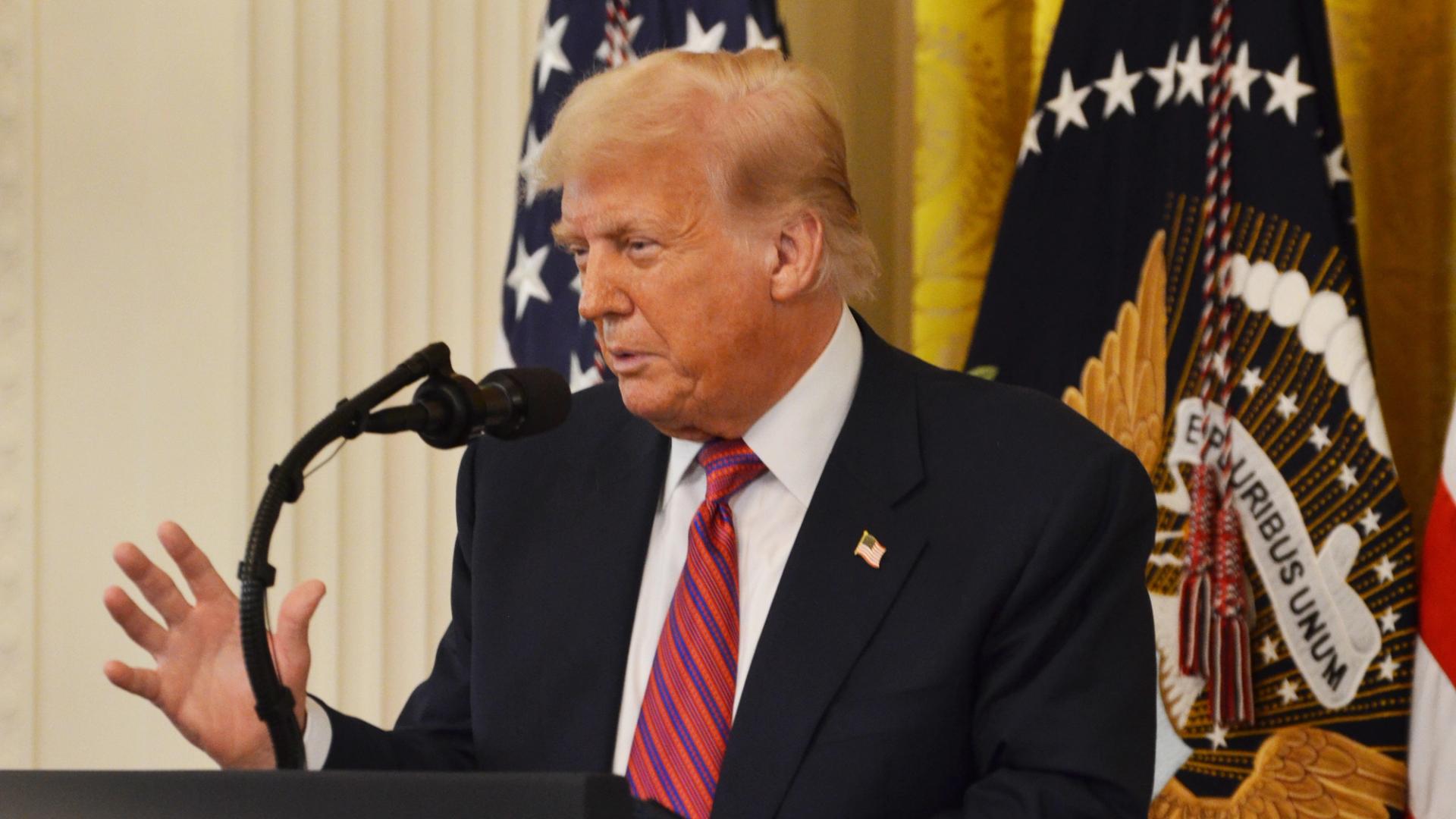
Trump's Crypto Venture Under Senate Fire: A $500M UAE Investment Sparks Ethics Debate
The intersection of high-stakes politics, foreign capital, and the burgeoning cryptocurrency market has once again ignited a firestorm in Washington. Former President Donald Trump's latest entrepreneurial foray, "World Liberty Financial," a crypto-centric venture, has landed squarely in the Senate's crosshairs following a reported $500 million investment from United Arab Emirates (UAE) officials. Senate Democrats are now demanding comprehensive hearings, raising serious concerns about potential conflicts of interest and the undue influence foreign investment could exert on U.S. policy decisions, particularly from a figure who remains a pivotal force in American politics.
For a sector striving for mainstream legitimacy, this development introduces a fresh layer of scrutiny and controversy. As a Senior Crypto Analyst, the implications of such a high-profile entanglement are multifaceted, touching upon regulatory integrity, market perception, and geopolitical dynamics.
World Liberty Financial: A New Frontier for Political Capital?
Details surrounding World Liberty Financial itself remain somewhat opaque, as is often the case with early-stage ventures. However, its reported focus on crypto assets and blockchain technology positions it within one of the most dynamic, yet also one of the most unregulated, sectors of the global economy. The sheer scale of the UAE's alleged investment – $500 million – is staggering for a nascent crypto venture, even one fronted by a figure of Trump's global stature. This sum immediately raises questions beyond pure commercial viability: What strategic interests does the UAE have in such a venture? Is this a genuine belief in the technological promise of World Liberty Financial, or a calculated diplomatic and political maneuver?
The UAE has been a proactive player in exploring blockchain and digital asset technologies, aiming to position itself as a global hub for innovation. Investments in foreign tech ventures are not uncommon. However, an investment of this magnitude into a company intimately linked to a former U.S. President, who is also a likely contender for future office, transcends typical venture capital considerations. It blurs the lines between private enterprise and public influence.
Senate Concerns: Unpacking the Conflict of Interest
The call for Senate hearings by Democratic leaders underscores deep-seated anxieties about ethical boundaries and national security. The core concern revolves around whether this substantial financial infusion could compromise Trump's impartiality on foreign policy matters, particularly concerning the UAE and the broader Middle East. During his presidency, Trump cultivated close ties with several Gulf nations, including the UAE, and policy decisions during that period often reflected a leaning towards their strategic interests.
The specter of "pay-for-play" looms large. Critics argue that such an investment, made by state-affiliated entities, could be interpreted as a pre-emptive effort to curry favor, secure access, or influence future policy, should Trump return to the White House. This is not merely an ethical lapse but potentially a national security vulnerability, as it could create leverage for a foreign power over a former, and potentially future, commander-in-chief. Transparency is paramount in these situations, and the lack thereof only fuels suspicion.
The Crypto Industry's Unwelcome Spotlight
For the cryptocurrency industry, this development is a double-edged sword. On one hand, the involvement of a high-profile political figure like Trump, and substantial foreign investment, could be seen by some as a sign of crypto's increasing mainstream adoption and importance. It signals that digital assets are no longer a niche interest but a significant financial and geopolitical force.
On the other hand, the controversy threatens to further tarnish crypto's image, associating it with political cronyism, ethical dilemmas, and a lack of regulatory oversight. The industry has been battling perceptions of being a haven for illicit finance and a playground for speculators. This incident risks reinforcing narratives that crypto can be exploited for opaque dealings and influence peddling. Regulators, already grappling with how to effectively govern the decentralized space, may now feel increased pressure to impose stricter rules, especially concerning financial disclosures for political figures involved in digital asset ventures. This could stifle innovation if overly broad or punitive measures are enacted.
Geopolitical Chessboard: UAE's Strategic Play
The UAE's motivation extends beyond mere financial returns. Investing in a venture linked to a prominent American political figure like Trump can be viewed as a strategic play on the geopolitical chessboard. It enhances their soft power, potentially granting them influence and access that traditional diplomatic channels might not provide. For a nation like the UAE, which has ambitions to diversify its economy away from oil and establish itself as a leader in future technologies, securing a foothold in a politically connected crypto venture in the U.S. offers significant long-term strategic advantages.
This investment also highlights the growing trend of state-affiliated entities engaging directly with the private financial ventures of global political figures, a practice that blurs the lines between statecraft and personal enrichment. It presents a challenge to the traditional framework of international relations and underscores the need for robust ethical firewalls.
What Lies Ahead: Potential Outcomes and Broader Implications
The Senate hearings, if they proceed, will likely delve into the specifics of the investment, the nature of World Liberty Financial, and any communications between Trump, his associates, and UAE officials. Potential outcomes range from a public rebuke and calls for greater transparency in political figures' financial dealings to the introduction of new legislation aimed at preventing similar conflicts of interest. It could also lead to a more robust framework for how foreign state-owned entities invest in politically connected ventures in the U.S.
For the crypto market, the immediate impact might be increased volatility or a general sense of FUD (Fear, Uncertainty, Doubt) around projects with political ties. Long-term, it reinforces the need for the industry to actively promote transparency, strong governance, and ethical conduct to distinguish legitimate innovation from ventures fraught with political baggage. The integrity of the crypto space, especially as it seeks broader institutional adoption, depends on its ability to navigate these complex ethical landscapes.
Ultimately, this saga serves as a potent reminder that as digital assets become more intertwined with mainstream finance and global politics, the ethical and regulatory scrutiny will only intensify. The onus is now on policymakers to ensure accountability and on the crypto industry to demonstrate its commitment to transparency and sound governance, lest it become merely another vehicle for political influence and opaque dealings.