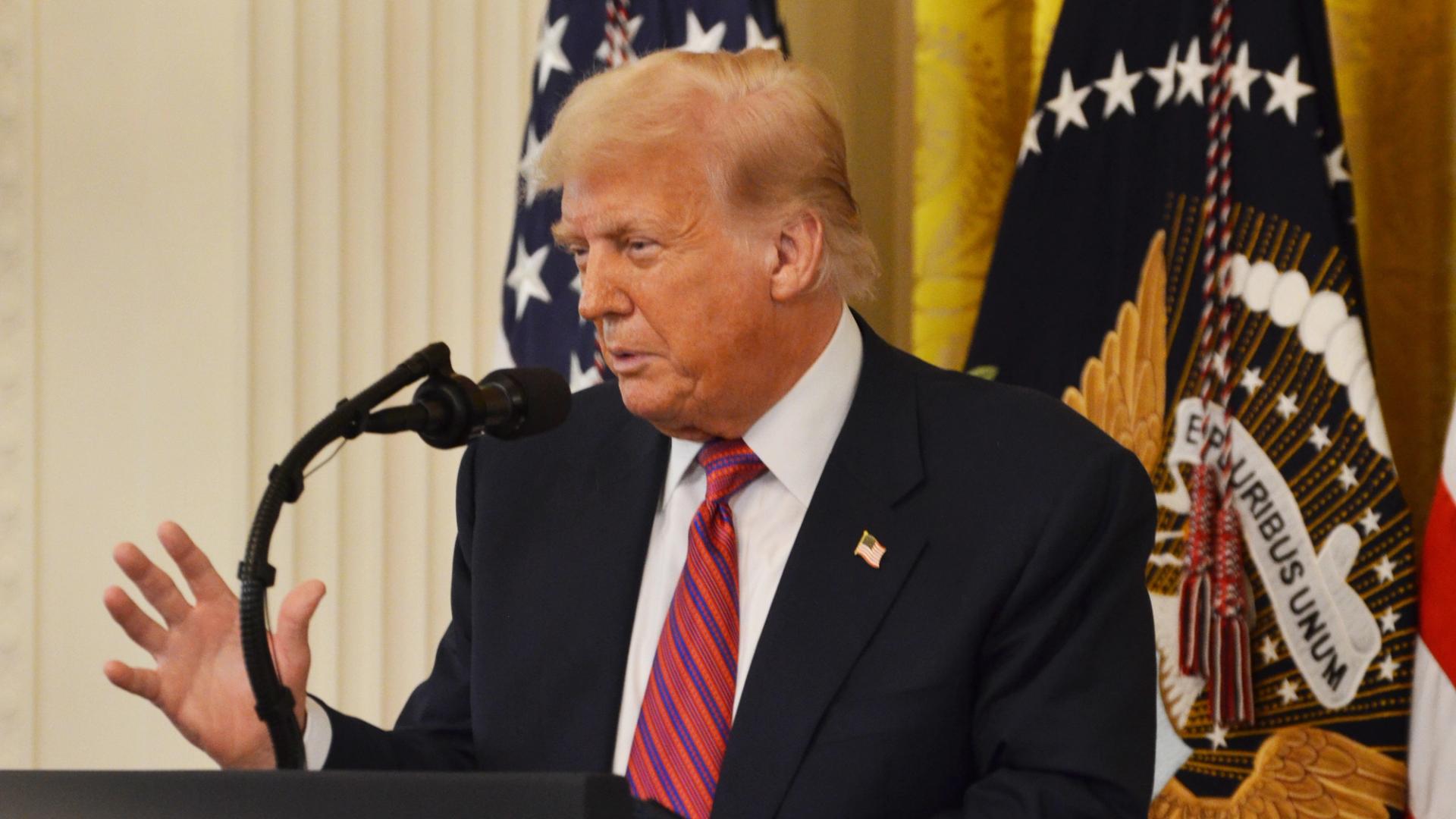
The $500 Million Question: Trump's Crypto Venture Under Senate Scrutiny
The burgeoning world of digital assets, often lauded for its decentralization and transparency, has found itself embroiled in a high-stakes political drama. Former President Donald Trump's foray into the crypto space via his venture, World Liberty Financial, is now at the epicenter of a Senate inquiry. At stake is a substantial $500 million investment from United Arab Emirates (UAE) officials, prompting Senate Democrats to call for immediate hearings into potential conflicts of interest and undue influence on U.S. policy decisions. As a Senior Crypto Analyst, this development not only highlights the increasing intersection of politics and finance but also casts a long shadow over the crypto industry's ongoing quest for legitimacy and clear regulatory frameworks.
A Deep Dive into the Geopolitical and Financial Entanglement
The crux of the controversy lies in the timing and magnitude of the UAE investment. While the specifics of World Liberty Financial's operations remain somewhat opaque, it is understood to be a significant digital asset enterprise associated with Trump. His recent, vocal embrace of cryptocurrencies – a notable pivot from his previous skepticism – has been a key theme of his public discourse. This shift, coupled with a half-billion-dollar injection from a foreign government, raises legitimate questions about whether commercial interests could intertwine with, or even dictate, future U.S. foreign or economic policy.
The UAE, a strategic ally in the Middle East, has long sought to diversify its economy beyond oil, with significant investments in technology, finance, and renewable energy. Its interest in the crypto sector is not new, as the nation aims to become a global hub for blockchain innovation. However, an investment of this scale directly into a venture linked to a prominent political figure, especially one with a potential path back to the White House, introduces layers of complexity. Senate Democrats, led by figures like Senator Elizabeth Warren, are pushing for hearings to scrutinize the terms of the investment, its beneficiaries, and any assurances or implications that might compromise U.S. national security or foreign policy independence.
The Senate's Concerns: Transparency, Influence, and National Security
The calls for hearings are rooted in fundamental concerns about transparency and the potential for foreign influence in American politics. Lawmakers are keen to understand:
- Conflict of Interest: Whether the investment creates a direct financial conflict of interest for Trump, especially if he were to regain office.
- Policy Influence: If the UAE's substantial financial stake could give them leverage in future policy decisions concerning the Middle East, trade, or even crypto regulation itself.
- National Security Implications: The broader implications of a foreign government holding significant financial sway over entities tied to a former (and potentially future) Commander-in-Chief.
- Disclosure and Ethics: Whether existing disclosure laws adequately cover such investments, particularly for individuals who are not currently federal officeholders but retain significant public influence.
These questions are not merely academic; they strike at the heart of democratic integrity and the separation of personal financial gain from public service. The focus will undoubtedly be on the nature of World Liberty Financial – is it a mere tech startup, or does it embody broader strategic ambitions that could be leveraged geopolitically?
Implications for the Broader Crypto Industry
From a crypto analyst's perspective, this controversy has several significant implications for the digital asset ecosystem:
- Heightened Regulatory Scrutiny: This event will almost certainly lead to increased calls for stricter regulations around foreign investment in U.S. crypto firms, especially those with any perceived political connections. It could also accelerate efforts to impose more rigorous KYC/AML (Know Your Customer/Anti-Money Laundering) and disclosure requirements across the board, potentially including provisions for politically exposed persons (PEPs).
- Market Perception and Legitimacy: The optics of this situation are challenging for an industry already battling perceptions of being a 'wild west' or a haven for illicit activities. Entangling crypto with allegations of political influence peddling undermines efforts to portray it as a legitimate, transparent, and innovative financial sector deserving of mainstream adoption.
- Innovation vs. Oversight: While the industry champions innovation and reduced friction, incidents like this highlight the flip side – the potential for misuse, lack of clear guardrails, and the need for robust oversight to prevent corruption or undue influence. This might lead to a more cautious approach from institutional investors wary of regulatory blowback or reputational risk.
- Future of Political Figures in Crypto: This incident sets a precedent. Future political figures considering ventures in the crypto space will likely face intense scrutiny, potentially deterring some but also forcing greater transparency for those who proceed.
The industry's narrative often centers on decentralization and freedom from traditional financial and political structures. This incident, however, starkly illustrates how intertwined crypto is becoming with these very structures, for better or worse.
The Path Forward: Hearings and the Quest for Transparency
As the Senate prepares for potential hearings, the focus will be on uncovering the full scope of the UAE investment in World Liberty Financial. What specific assets or technologies does the venture control? What role do UAE officials or state-backed entities play in its governance or strategic direction? And critically, what are the safeguards in place (if any) to prevent policy decisions from being swayed by financial interests?
The outcome of these hearings will not only determine the political fate of this specific deal but could also significantly shape the future regulatory landscape for cryptocurrencies in the United States. It underscores a crucial juncture for the digital asset industry: as it grows in economic and political significance, it must also be prepared to face unprecedented levels of scrutiny and demands for transparency that match its newfound influence. For the crypto market, this isn't just a political story; it's a test of its maturity, resilience, and commitment to operating within ethical and legal boundaries, irrespective of who is involved.