Trump's Crypto Bonanza: When Memecoins Outpace Fairways in 2025
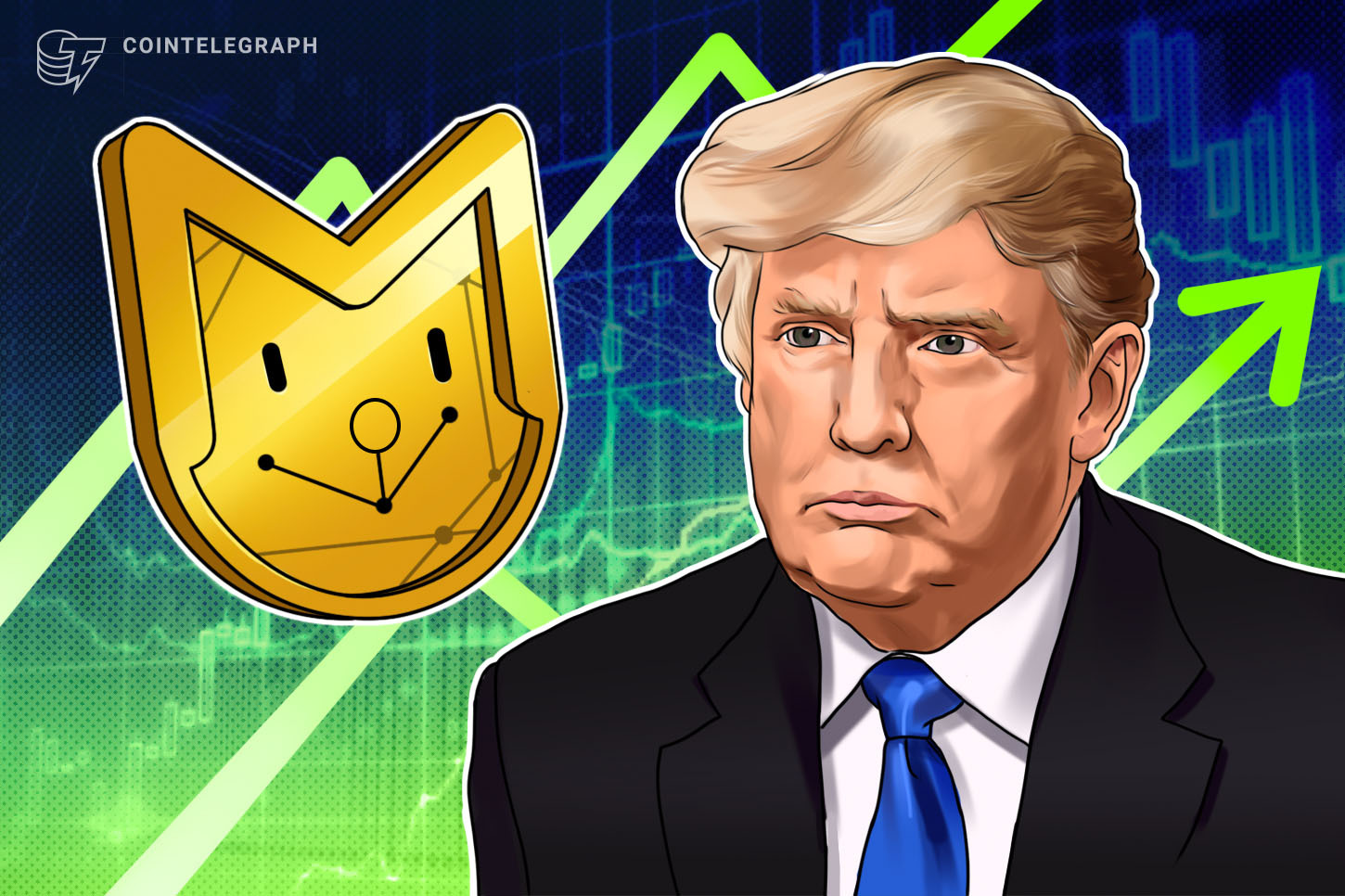
In an astonishing revelation that has sent ripples through both political and financial spheres, former President Donald Trump reportedly earned more from his cryptocurrency ventures in 2025 than from his sprawling real estate empire. Filings indicate that a significant portion of this digital wealth stemmed from memecoin sales and royalties, dwarfing the combined income from all his golf clubs. This unexpected pivot highlights not only the volatile yet lucrative nature of the digital asset market but also signals a seismic shift in how public figures might leverage their brand in the 21st century.
The Unforeseen Digital Gold Rush for Trump
The news that memecoins, often dismissed as speculative fads, contributed more to Trump's coffers than his venerable golf resorts is nothing short of a paradigm shift. For decades, the Trump brand has been synonymous with tangible assets – towering skyscrapers, luxurious hotels, and meticulously manicured golf courses. The sudden emergence of digital assets, particularly memecoins, as his primary revenue driver in the past year, underscores the rapid evolution of wealth generation. It forces a re-evaluation of traditional investment strategies and the increasing relevance of the crypto economy, even for the most establishment figures.
Understanding the Mechanics: How Memecoins Generated Millions
While the specifics of Trump's memecoin involvement are still being dissected, the general mechanics likely involve a combination of direct holdings, strategic endorsements, and royalties derived from branded digital collectibles or associated tokens. Memecoins, by their very nature, often thrive on community sentiment, social media buzz, and celebrity endorsements. A figure as polarizing and influential as Donald Trump entering this space could easily trigger massive price swings and trading volumes. The phrase "memecoin sales and royalties" suggests a multifaceted approach, from initial coin offerings (ICOs) or token launches linked to his persona to a share of transaction fees or secondary market sales of related NFTs (Non-Fungible Tokens) that piggyback on the memecoin ecosystem.
A New Frontier for Political Finance and Personal Branding?
This development opens a Pandora's Box of questions regarding the future of political finance and personal wealth accumulation for public figures. If a former president can generate such substantial income from digital assets, it sets a precedent. Are we entering an era where political influence translates directly into digital asset market capitalization? The blurring lines between personal brand, political campaigning, and digital financial instruments present both unprecedented opportunities and significant ethical challenges. It could pave the way for a new model where politicians and celebrities actively engage with and profit from the burgeoning Web3 economy, creating a direct financial link with their digital fan base or political supporters.
Navigating the Regulatory Minefield and Volatility Concerns
The immense profitability of Trump's memecoin ventures also throws a spotlight on the still-nascent and largely unregulated cryptocurrency market. Memecoins are notorious for their extreme volatility; prices can surge thousands of percent in days and crash just as quickly. This inherent risk, coupled with the potential for market manipulation, raises serious regulatory questions. For a figure of Trump's stature to be so deeply invested, it will inevitably draw heightened scrutiny from financial watchdogs and lawmakers. Concerns about conflicts of interest, transparency in disclosure, and the potential for leveraging political influence for personal financial gain will undoubtedly dominate future discussions.
The "Trump Effect" on Crypto Adoption and Perception
Donald Trump's foray and subsequent success in the memecoin market could have a dual impact on the broader cryptocurrency landscape. On one hand, it could lend an unexpected air of mainstream legitimacy to digital assets, particularly among segments of the population who might otherwise be skeptical. It demonstrates that significant wealth can be generated outside traditional financial systems. On the other hand, it might intensify regulatory pressures, as authorities scramble to understand and govern this new class of assets and the involvement of high-profile individuals. The association could also reinforce the perception of crypto as a speculative, high-risk endeavor, driven more by hype than fundamental value.
Beyond Real Estate: A Sign of Shifting Wealth Paradigms
The stark contrast between Trump's traditional real estate earnings and his crypto profits in 2025 serves as a powerful illustration of evolving wealth paradigms. While real estate remains a bedrock of global wealth, its returns are often steady and incremental. The digital asset space, particularly memecoins, offers the potential for exponential growth, albeit with commensurately higher risk. This shift for a figure like Trump suggests a broader trend where innovators and influential personalities are increasingly looking beyond conventional assets to capitalize on the hyper-connected, digital economy. It's a testament to the speed and disruptive power of blockchain technology and decentralized finance.
Conclusion: A Glimpse into the Future of Wealth and Influence
Donald Trump's unprecedented success in the memecoin market in 2025 is more than just a financial headline; it's a potent indicator of the future. It underscores the growing influence of digital assets, the innovative (and often controversial) ways public figures can monetize their brand, and the urgent need for comprehensive regulatory frameworks. As the lines between traditional finance, digital currency, and political influence continue to blur, this development will undoubtedly spark intense debate and shape the trajectory of both the crypto market and the public's engagement with it for years to come. The question is no longer if crypto will impact traditional sectors, but how deeply and how quickly.