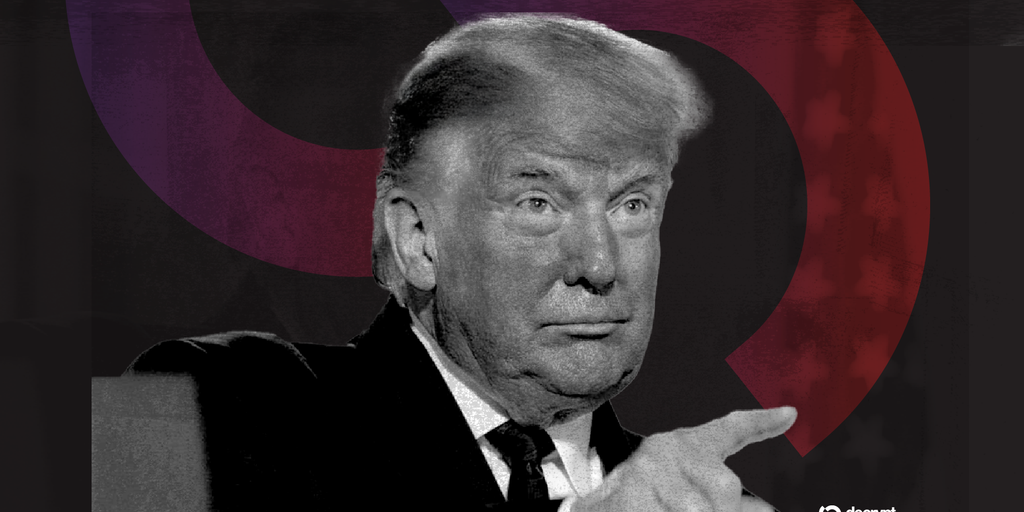
President Trump's Crypto Windfall: Unpacking the Disclosure
The recent revelation from President Donald Trump's annual financial disclosure report has sent ripples across the cryptocurrency landscape. With an astonishing disclosure of over $1.2 billion in crypto earnings and a reported $50 million in Bitcoin holdings, the former president has inadvertently—or perhaps strategically—catapulted digital assets further into the mainstream political and financial discourse. As a senior crypto analyst, I believe this development is not merely a headline-grabber but a potent signal with far-reaching implications for market legitimacy, regulatory frameworks, and public perception.
The sheer scale of the reported earnings is staggering. While the specific mechanisms behind how these 'earnings' were generated – whether through direct investment, trading activities, mining operations, or other ventures – remain open to detailed interpretation pending further clarification, the disclosed figures themselves represent a monumental endorsement from a highly visible public figure. The inclusion of a significant Bitcoin holding, specifically, underscores the enduring appeal and perceived store-of-value proposition of the world's leading cryptocurrency.
Political Ripples: Shifting Stances and Voter Appeal
Trump's history with cryptocurrency has been notably complex, oscillating between skepticism and a more pragmatic, if not opportunistic, embrace. In the past, he expressed concerns about Bitcoin's volatility and its potential for illicit use. However, his more recent rhetoric has softened, particularly as crypto assets have gained traction with a younger, tech-savvy demographic crucial for electoral success. This disclosure could be interpreted as a strategic move, aligning him with a growing segment of the electorate that views crypto not just as an investment but as a symbol of financial innovation and individual liberty.
For a candidate seeking re-election, publicly acknowledging substantial success in the crypto space could resonate deeply with pro-crypto voters, potentially drawing support away from competitors. It lends an air of legitimacy to crypto investments in the eyes of traditional finance-oriented voters who might otherwise be wary. However, it also opens avenues for scrutiny regarding potential conflicts of interest, the source of these funds, and how such significant personal holdings might influence future policy decisions should he return to office. The transparency mandated by financial disclosure laws, in this instance, provides invaluable data for both voters and market participants.
Market Validation and Institutional Interest
From a market perspective, a high-profile disclosure of this magnitude carries immense weight. The involvement of an individual like Donald Trump, who commands global attention, undeniably adds a layer of validation to the digital asset class. It helps chip away at the lingering perception among some traditional investors that crypto is merely a speculative fad or an asset class confined to niche tech enthusiasts.
This disclosure could inspire greater confidence among retail investors, and more importantly, signal to institutional players that crypto is increasingly a legitimate and profitable asset class, even for those at the apex of political power. The sheer dollar value involved suggests that sophisticated financial strategies were likely employed, further solidifying crypto's position as a serious investment vehicle. While the market itself reacts to a multitude of factors, such a significant personal endorsement from a globally recognized figure, particularly one with a background in real estate and finance, cannot be understated in its potential to positively influence broader sentiment and capital allocation.
Regulatory Spotlight: Transparency and Future Frameworks
The disclosure also throws a harsh spotlight on the evolving regulatory landscape for digital assets, particularly concerning public officials. Transparency in financial holdings for elected officials is paramount, and these reports are designed to prevent conflicts of interest and ensure accountability. Trump's crypto earnings and holdings will undoubtedly spark further debate on how governments should manage, tax, and regulate digital assets, especially when held by those in power.
Policymakers may face renewed pressure to establish clearer guidelines for crypto reporting, ethical standards for public officials investing in volatile assets, and comprehensive taxation frameworks. The complexity of tracing and valuing crypto, particularly given its global and decentralized nature, presents unique challenges for existing disclosure mechanisms. This situation could accelerate the development of more robust regulatory frameworks, aiming to strike a balance between fostering innovation and ensuring market integrity and financial probity.
A Broader Narrative: Crypto's Inexorable March to the Mainstream
Ultimately, President Trump's crypto disclosure is more than just a personal financial update; it's a chapter in the larger narrative of cryptocurrency's journey from the fringes of finance to its undeniable presence in mainstream consciousness. It underscores the undeniable wealth creation potential within the crypto ecosystem and highlights how quickly digital assets have become integral to the portfolios of even the most traditional figures.
While questions about the specifics of his earnings and potential future policy implications will undoubtedly persist, the immediate takeaway is clear: crypto is no longer a niche phenomenon. When a former President discloses over a billion dollars in crypto earnings, it’s a powerful testament to the asset class's maturation and its increasingly central role in global finance and politics. For crypto enthusiasts, it’s a moment of significant validation, reaffirming the belief that digital assets are here to stay, shaping not just our financial futures but also the very fabric of political discourse.