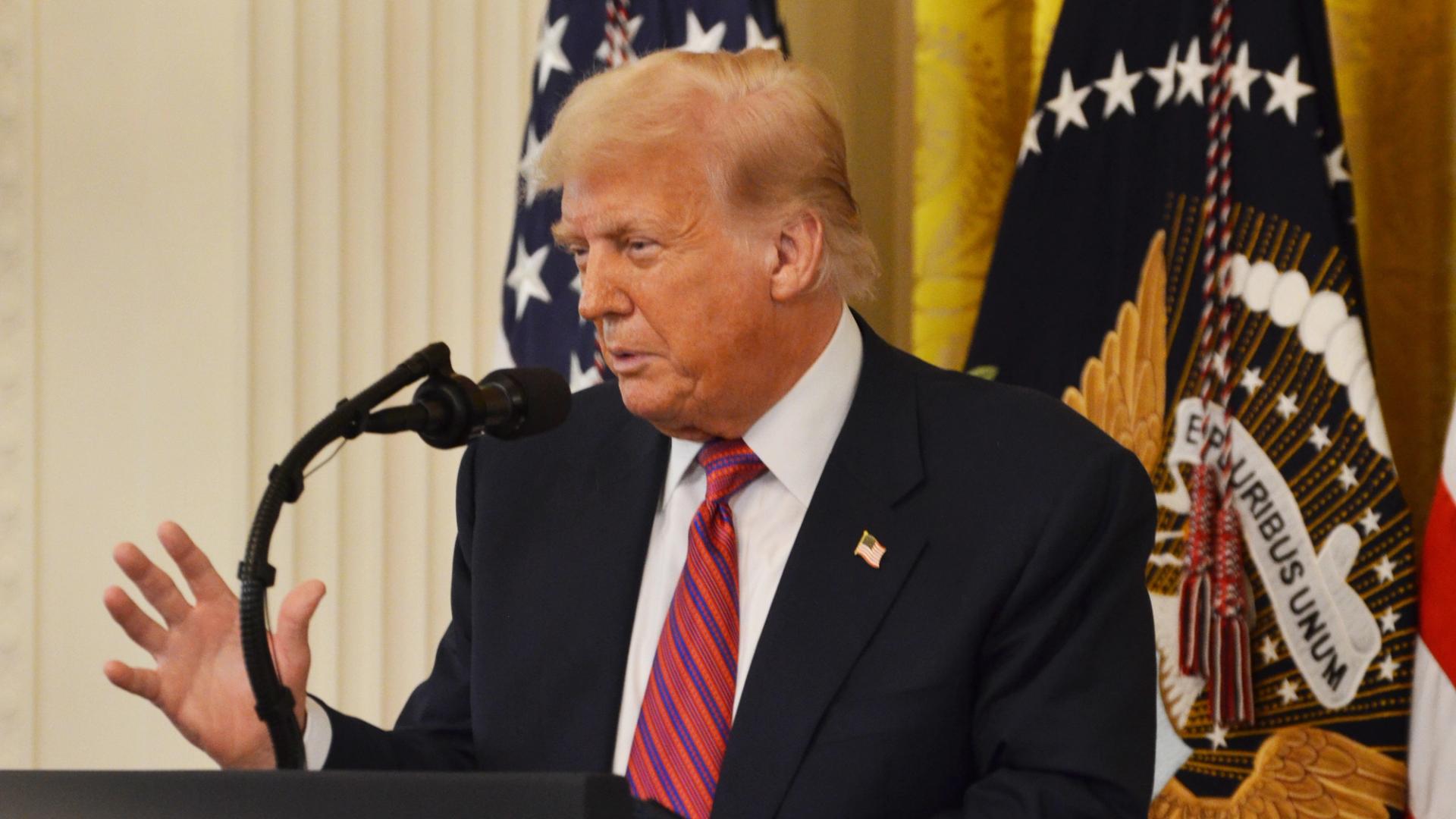
Trump's $500M UAE Crypto Investment: Senate Scrutiny Ignites Policy Influence Fears
The intersection of high-stakes politics, burgeoning digital finance, and international relations has rarely been more starkly illuminated than in the recent call by Senate Democrats for hearings into a significant investment by United Arab Emirates (UAE) officials in a crypto venture linked to former President Donald Trump. A reported $500 million investment in "World Liberty Financial," a company presented as Trump's crypto endeavor, has landed the former President in the Senate's crosshairs, sparking urgent questions about potential conflicts of interest, foreign influence on U.S. policy, and the integrity of the nascent digital asset space. As Senior Crypto Analysts, the implications of this development resonate far beyond the political arena, touching upon regulatory frameworks, market perception, and the geopolitical landscape of digital finance.
The Allegations: A $500 Million Question Mark
At the heart of the controversy is the substantial $500 million investment from UAE officials into World Liberty Financial. While specific details about World Liberty Financial’s crypto operations remain somewhat opaque, its association with a figure of Trump's political stature immediately raises red flags. Senate Democrats, citing concerns about national security and ethical governance, are demanding a thorough investigation into whether this significant financial backing could directly or indirectly influence Trump's policy decisions, particularly if he were to run for or return to office. This isn't merely a matter of political optics; it delves into the core principles of transparency and accountability that underpin both democratic institutions and legitimate financial markets. The sheer scale of the investment amplifies these concerns, pushing it into the realm of potential undue influence rather than standard commercial enterprise.
Geopolitical Chessboard: The UAE's Growing Crypto Footprint
The UAE’s involvement is particularly noteworthy. Gulf nations, including the UAE, have been aggressively positioning themselves as global hubs for Web3 innovation and digital asset development, attracting crypto businesses with favorable regulatory environments and substantial capital. While this broader strategy aims to diversify their economies and secure a leading role in future financial systems, an investment of this magnitude in a venture tied to a prominent U.S. political figure introduces a complex geopolitical layer. It prompts inquiries into whether such investments are purely commercial or carry strategic objectives related to soft power, influence peddling, or future policy alignment. For the crypto industry, it underscores the critical need for transparency, especially when dealing with foreign state-linked entities, to avoid becoming an unwitting conduit for geopolitical maneuvering.
Implications for the Crypto Regulatory Landscape
From a regulatory standpoint, this controversy is a potent catalyst. The decentralized and often borderless nature of cryptocurrencies has consistently posed challenges for traditional regulatory bodies. This incident will undoubtedly intensify calls for stricter regulations around political figures' involvement in crypto ventures, particularly those accepting foreign investments. Lawmakers may push for enhanced disclosure requirements, more stringent ethics rules, and a closer examination of how foreign capital flows into digital asset companies linked to prominent public figures. Such scrutiny could lead to broader regulatory tightening across the sector, impacting everything from Know Your Customer (KYC) and Anti-Money Laundering (AML) protocols to rules governing asset issuance and exchange listings. The industry, already navigating a complex and evolving legal terrain, must brace for potential ripple effects.
Market Perception and Investor Confidence
For the crypto market itself, the news carries significant weight. Perceptions of integrity and legitimacy are crucial for mainstream adoption and institutional investment. When a crypto venture becomes embroiled in allegations of political influence and conflicts of interest, it risks eroding public trust. Investors, both retail and institutional, may become more wary of projects associated with political figures, fearing regulatory blowback or that the project's viability could be compromised by non-market factors. This can contribute to market volatility and dampen overall confidence in the sector, especially for projects that lack robust transparency or clear governance structures. The incident serves as a stark reminder that the long-term success of digital assets hinges on their ability to operate within a framework of trust and ethical conduct.
Policy Influence: A Looming Specter
The central concern of the Senate Democrats – that the investment could influence policy decisions – strikes at the core of democratic governance. Should Trump return to power, a $500 million stake held by foreign officials in his associated crypto venture could create an undeniable pressure point. Potential areas of influence range from specific crypto legislation (e.g., favorable regulatory treatment for certain digital assets or relaxed oversight for specific types of firms) to broader foreign policy decisions concerning the UAE or the Middle East. Such an arrangement could also raise questions about fair competition within the crypto industry, potentially skewing the playing field in favor of ventures with political backing. The perception, let alone the reality, of policy decisions being swayed by personal financial interests undermines the very foundations of a level playing field.
The Path Forward: Hearings and Scrutiny
If the Senate proceeds with hearings, the focus will likely be on uncovering the precise nature of the World Liberty Financial venture, the terms of the UAE investment, and any communications that could indicate an intent to influence policy. This process will bring unprecedented scrutiny to the financial dealings of political figures within the crypto space. Regardless of the immediate outcome, the very act of calling for hearings sends a powerful message: the digital asset economy is no longer a fringe domain operating outside the purview of traditional political oversight. Its increasing integration with global finance means that it will be subjected to the same rigorous ethical and regulatory standards as any other sector, particularly when it intersects with individuals holding public trust.
Conclusion: A Watershed Moment for Crypto and Politics
The controversy surrounding the $500 million UAE investment in Donald Trump's crypto venture is more than just a political spat; it's a watershed moment. It forces a critical examination of the ethical guardrails required when political power meets the burgeoning potential of digital finance. For the crypto community, it's a call for greater transparency and robust self-governance to protect against perceptions of manipulation or undue influence. For policymakers, it highlights the urgent need for clear, comprehensive regulations that safeguard national interests and ensure market integrity in an increasingly digitized and interconnected world. As this saga unfolds, its reverberations will undoubtedly shape the future trajectory of both crypto regulation and the public's perception of digital assets in the political landscape.