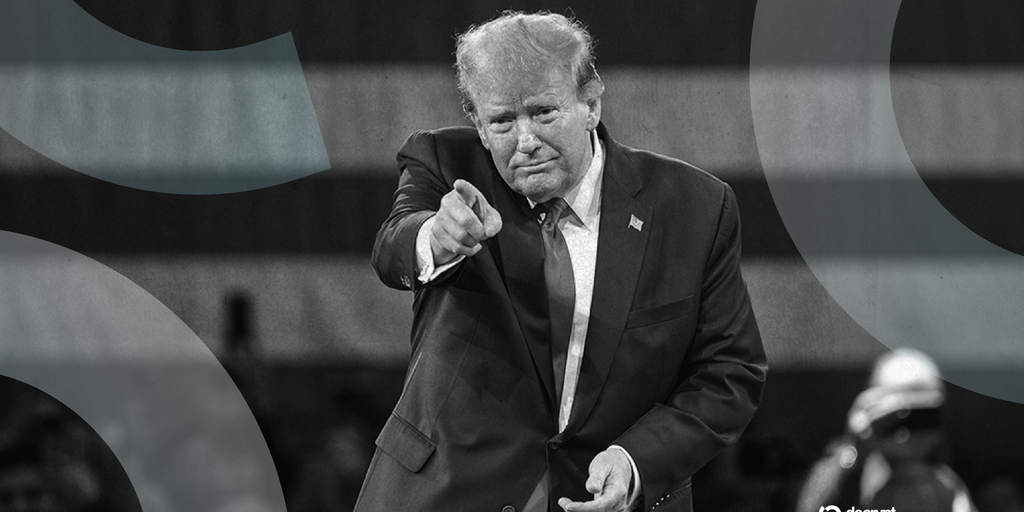
President Trump Discloses Coinbase, Robinhood, and Bitcoin Mining Stock Trades: A Deep Dive into the Implications
The political and financial worlds converged with significant fanfare this week as former President Donald Trump's latest ethics filings revealed notable trades in crypto-adjacent assets. Among the disclosed transactions are positions in leading cryptocurrency exchange Coinbase, popular trading app Robinhood, and several Bitcoin mining stocks. This revelation is not merely a personal financial footnote; it's a multi-layered development poised to send ripples through the burgeoning digital asset market, influence political discourse, and potentially hint at future policy directions. As a senior crypto analyst, understanding the nuances of this disclosure is paramount to grasping its multifaceted impact.
The Unveiling: What the Filings Reveal
According to the newly released ethics disclosures, President Trump engaged in trades involving equity in companies deeply embedded within the crypto ecosystem. While the filings do not indicate direct ownership of cryptocurrencies like Bitcoin or Ethereum, his investment in firms such as Coinbase Global (COIN) and Robinhood Markets (HOOD) provides indirect exposure and signals a clear interest in the sector's growth. Furthermore, the inclusion of Bitcoin mining stocks underscores an appreciation for the foundational infrastructure of the most prominent digital asset. These transactions, though occurring after his presidency, come at a time when Trump remains a formidable figure on the national political stage, making their disclosure particularly salient.
A Pivot in Stance? Trump's Evolving Relationship with Crypto
Perhaps the most intriguing aspect of this news is the stark contrast it presents to President Trump's historically skeptical stance on cryptocurrencies. During his time in office, and even post-presidency, he has expressed reservations, famously labeling Bitcoin as a "scam" and expressing concerns about its potential to undermine the dollar's dominance. This personal financial engagement, therefore, marks a significant departure. Is this a pragmatic investment decision, acknowledging the undeniable growth and mainstreaming of digital assets, or does it signal a genuine ideological shift? It could be argued that even a purely financial motive, driven by potential returns, represents a quiet acceptance of the crypto industry's legitimacy and long-term viability, especially from a figure known for his keen eye on market trends.
Market Impact and Investor Sentiment
The news is likely to be perceived as a bullish signal by many in the crypto community. A high-profile figure like Donald Trump investing in crypto-related equities lends an air of legitimacy and mainstream appeal to an industry that has often battled perceptions of being fringe or risky. For Coinbase and Robinhood, the association, regardless of size, could provide a psychological boost, potentially attracting interest from a new segment of investors—those who align with Trump's political base. Similarly, investment in Bitcoin mining stocks could draw attention to the sector's critical role in securing the Bitcoin network, potentially influencing capital flows towards these infrastructure providers. While a direct "Trump bump" might be speculative, the validation factor for the broader digital asset market is undeniable.
Political Undercurrents and Future Policy Implications
Beyond market dynamics, these disclosures inject a potent new element into the ongoing political discourse surrounding cryptocurrency. Should President Trump seek and win another term, his personal financial interests in the sector could profoundly influence his administration's approach to crypto regulation and innovation. Would a second Trump administration adopt a more favorable, pro-innovation stance, contrasting with some of the more cautious or restrictive proposals seen from other political factions? This development positions crypto more squarely within the realm of political debate, potentially turning it into a significant campaign issue. It also raises questions about potential conflicts of interest, a common concern when political figures hold investments in industries subject to governmental oversight.
Strategic Choices: Coinbase, Robinhood, and Mining Stocks Analyzed
The specific companies chosen for investment also offer insights. Coinbase, as a leading U.S.-based, publicly traded cryptocurrency exchange, represents a regulated, direct proxy for the broader crypto market's health and adoption. Investing in COIN signifies a belief in the continued growth of crypto trading and custody services. Robinhood, while broader in its offerings, has been a key player in democratizing access to both traditional stocks and, crucially, select cryptocurrencies for retail investors. Its inclusion suggests an understanding of the mass market appeal and the disruptive potential of platforms that blend traditional and digital assets. Finally, Bitcoin mining stocks provide direct exposure to the underlying economics of Bitcoin itself. These companies' profitability is tied directly to Bitcoin's price and network activity, making them a leveraged play on the premier cryptocurrency without directly holding the asset itself. This diversified approach suggests a calculated and somewhat sophisticated entry into the digital asset investment landscape, indicative of a strategic view rather than a mere speculative punt.
Beyond the Headlines: A Broader Trend of Mainstream Adoption
Ultimately, President Trump's disclosed trades fit into a larger, undeniable trend: the increasing mainstream adoption and institutionalization of cryptocurrencies. From major financial institutions offering crypto services to corporations adding Bitcoin to their balance sheets and the advent of spot Bitcoin ETFs, digital assets are rapidly shedding their niche status. When a figure of Trump's prominence invests in the ecosystem, it accelerates this process of normalization. It signals that crypto is no longer just for tech enthusiasts or niche investors but has entered the realm of serious, high-stakes finance and political consideration. This event further solidifies crypto's position as an asset class demanding serious attention from policymakers, investors, and the public alike.
Conclusion: A New Chapter in Crypto's Political Journey
The disclosure of President Trump's trades in Coinbase, Robinhood, and Bitcoin mining stocks is far more than a routine financial report. It’s a powerful signal reverberating across markets, political arenas, and public perception. It forces a re-evaluation of his stance on digital assets, potentially shifts investor sentiment, and injects new dynamics into the ongoing debate about crypto regulation and future policy, especially in the context of a potential second presidential term. As the digital asset landscape continues to evolve, this development underscores the growing interplay between high-level politics and the world of cryptocurrency, marking a significant new chapter in crypto's journey towards full mainstream integration.