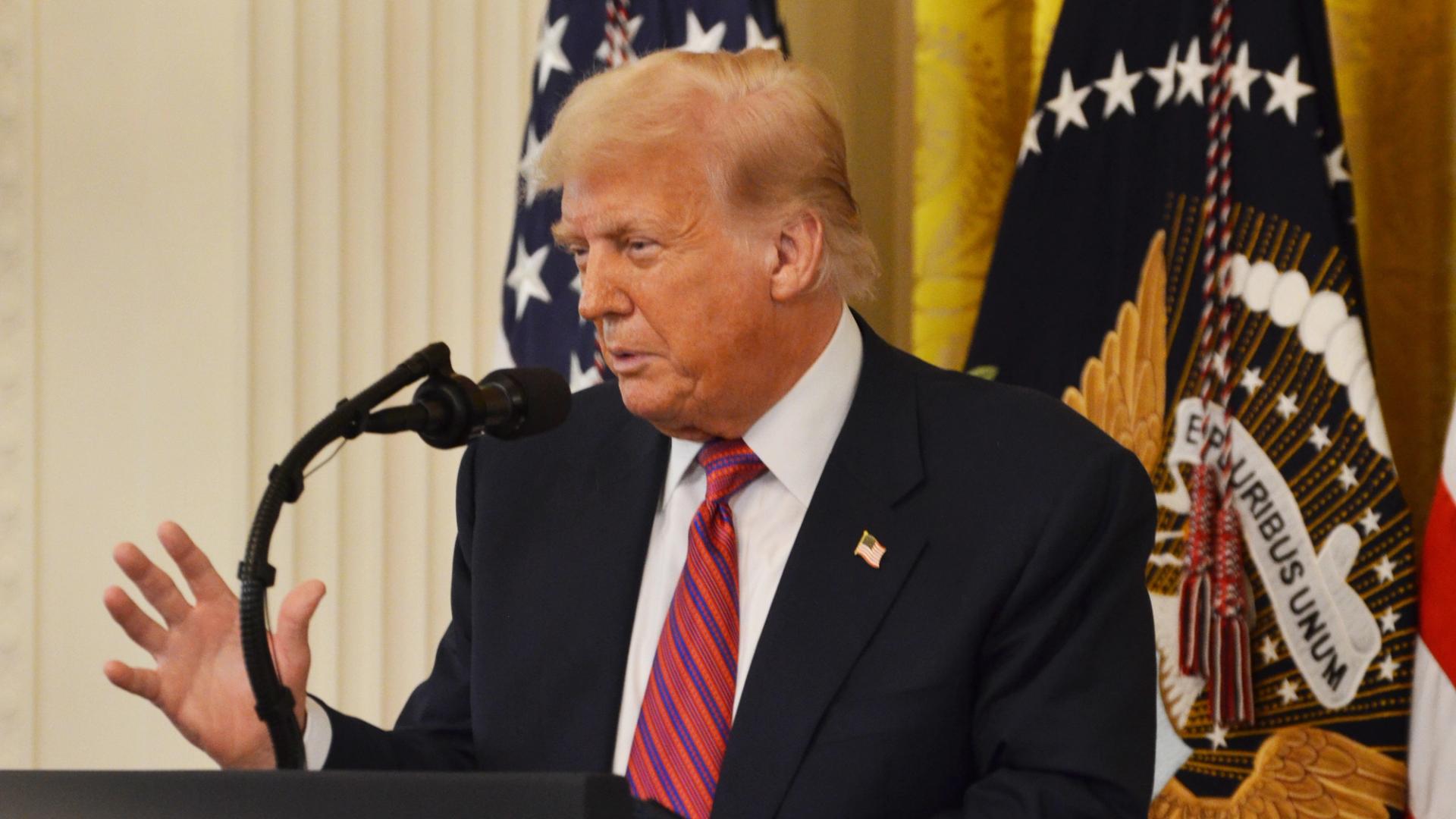
Trump-Backed World Liberty Trust Co. Secures Conditional Bank Charter: A Seismograph for Crypto's Future
The financial world is abuzz following the Office of the Comptroller of the Currency's (OCC) announcement of preliminary conditional approval for World Liberty Trust Co., a financial institution reportedly backed by former President Donald Trump. While on the surface this appears to be a traditional banking development, for senior crypto analysts, this move reverberates with profound implications for the digital asset ecosystem, the future of financial regulation, and the intricate dance between politics and finance. The granting of even a conditional federal bank charter to an entity with such overt political ties signals a potential inflection point that demands closer scrutiny.
Understanding the 'Preliminary Conditional Approval'
It's crucial to understand what this approval entails. The OCC's 'preliminary conditional approval' is not a full banking license. Rather, it serves as a green light for World Liberty Trust Co. to proceed with the rigorous process of establishing its operational infrastructure, securing adequate capitalization, and demonstrating its capacity to meet the OCC's stringent regulatory, compliance, and risk management standards. This phase often involves developing robust IT systems, hiring key personnel, formulating comprehensive business plans, and proving an ability to safeguard depositor funds and maintain financial stability. While significant, it means the journey is far from over, but the initial regulatory hurdle, often the most daunting, has been cleared.
The Political Undercurrents: 'Trump-Backed' and Financial Services
The 'Trump-backed' designation is not merely a footnote; it's a central theme driving much of the speculation surrounding World Liberty Trust Co.'s future trajectory. This affiliation immediately positions the institution within a broader political narrative that often champions 'free speech,' 'alternative financial services,' and pushes back against perceived 'de-platforming' or 'de-banking' by traditional institutions. Should a future administration align with these ideologies, World Liberty could potentially become a significant player in offering services to entities or individuals that feel marginalized by the mainstream financial system. This political alignment could extend to the digital asset space, where many crypto firms have historically struggled to secure stable banking relationships due to regulatory ambiguities and risk aversion from established banks. This institution could potentially carve a niche by addressing such underserved segments, bridging the gap between specific political demographics and financial inclusion within the digital economy.
The OCC and its Evolving Stance on Digital Assets
The OCC has a recent history of navigating the complexities of digital assets. Under previous leadership, notably during the Trump administration, the OCC issued interpretive letters that were broadly seen as progressive, allowing national banks to engage in stablecoin activities, provide crypto custody services, and use blockchain technology for payments. While the regulatory landscape has since tightened, particularly concerning risk management and consumer protection, this latest approval, even under a different political climate, prompts questions about the OCC's long-term strategy. Does this signal a readiness to re-engage with innovative financial structures, or is it a standard procedural approval independent of political leanings? For crypto analysts, the answer will define the regulatory path forward for federally chartered institutions looking to enter the digital asset space.
Direct Implications for the Crypto Ecosystem
This conditional charter holds several direct and indirect implications for the cryptocurrency market:
Regulated On/Off-Ramps: A federally chartered trust company could provide critically needed, highly regulated on-ramps and off-ramps for fiat-to-crypto and crypto-to-fiat transactions. This could enhance liquidity, reduce counterparty risk, and instill greater confidence for institutional investors hesitant to engage with less regulated entities.
Custody Solutions: As a trust company, World Liberty could theoretically offer institutional-grade digital asset custody services, a major growth area. The demand for secure, regulated custody from family offices, hedge funds, and corporate treasuries continues to grow, and a federally chartered entity could meet this demand with robust compliance frameworks.
Stablecoin Issuance: Given the ongoing debate around stablecoin regulation, a federally chartered trust company could become a significant issuer of stablecoins, subject to stringent OCC oversight. This could provide a model for how future U.S.-dollar-pegged stablecoins might operate, potentially influencing the broader regulatory framework and competing with existing private stablecoins.
Banking for Crypto Businesses: Many legitimate crypto businesses struggle to obtain and maintain banking services. World Liberty could potentially fill this void, offering essential banking infrastructure to a sector often viewed with skepticism by traditional financial institutions. This would be a welcome development for many startups and established firms in the digital asset space.
Broader Market and Regulatory Ripple Effects
Beyond direct crypto applications, the approval of World Liberty Trust Co. could have broader ripple effects. It could intensify competition among institutions vying to serve the digital economy, prompting traditional banks to accelerate their crypto strategies. Furthermore, the political dimension cannot be ignored. A Trump-backed bank, especially one that eventually engages with digital assets, could significantly influence policy discussions around stablecoins, central bank digital currencies (CBDCs), and comprehensive digital asset legislation, particularly if there's a shift in political leadership. This could introduce new regulatory philosophies that prioritize innovation and market-driven solutions over more restrictive approaches.
Conclusion: A Barometer for Future Convergence
The preliminary conditional approval of World Liberty Trust Co. is more than just a banking story; it's a barometer for the evolving convergence of politics, traditional finance, and the digital asset economy. As a senior crypto analyst, my gaze is firmly fixed on the conditions of its charter, its strategic choices regarding digital assets, and how its development might signal shifts in regulatory appetite and political influence over the financial landscape. Its progress will offer invaluable insights into how federally regulated institutions might integrate digital assets, whether it ushers in a new era of regulated crypto services, or if it simply adds another layer of complexity to an already intricate market. The next chapters of World Liberty Trust Co.'s journey will undoubtedly shape the future dialogue around crypto regulation and its place within the U.S. financial system.