The Dawn of Digital Alchemists: Tokenization Reshapes Wealth Management
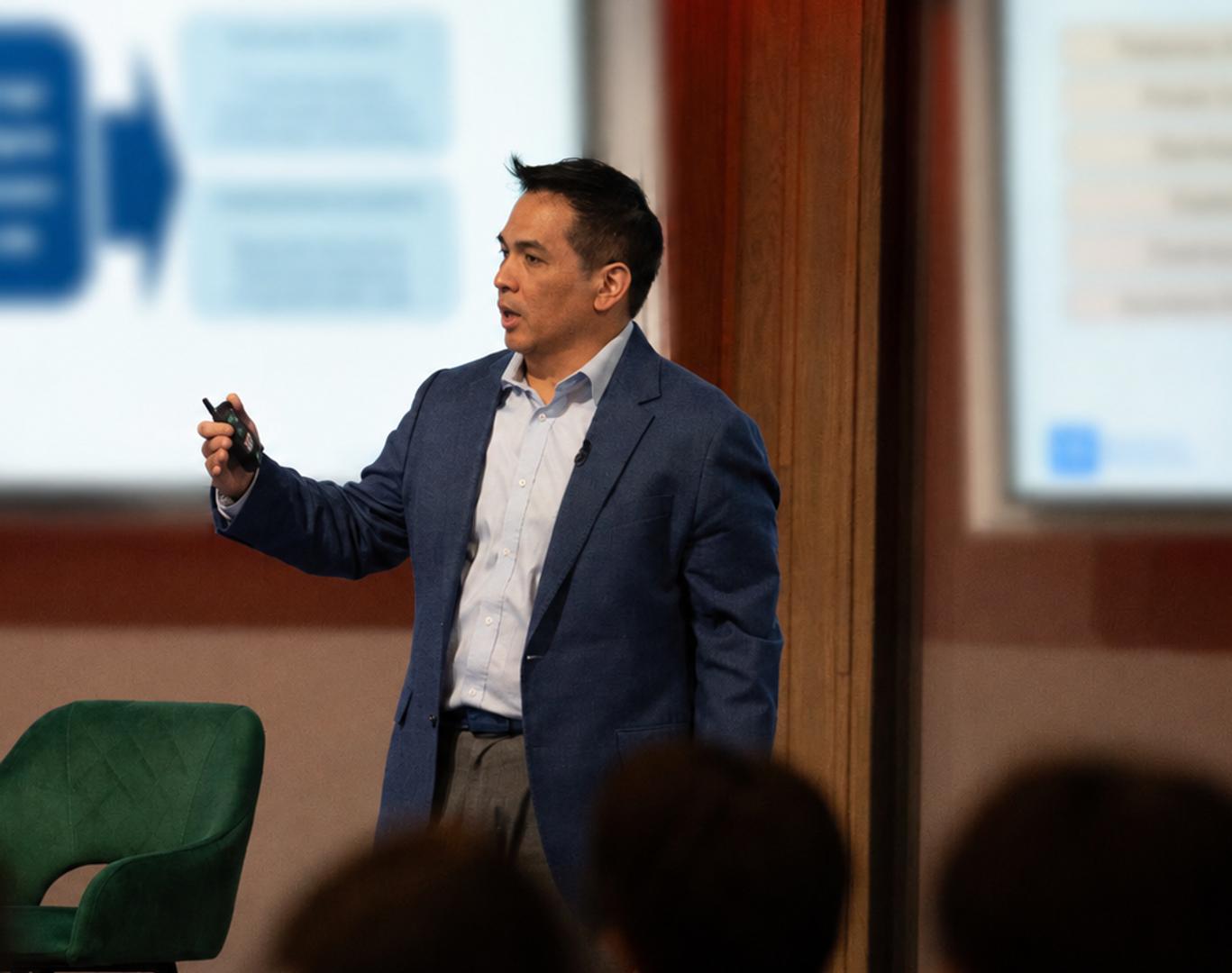
The world of finance stands at the precipice of a profound transformation, driven by the quiet yet revolutionary force of tokenization. While many have focused on tokenizing existing assets like real estate or art, a senior executive at a major asset manager is pointing to a far more intricate and impactful application: personalized portfolios. Thomas Sy, head of multi-asset solutions at the formidable $800-million asset manager NYLIM (New York Life Investment Management), posits that blockchain technology is poised to enable “complex portfolio construction that's not yet possible in traditional finance.” This vision suggests a future where investment strategies are not just tailored, but hyper-personalized, dynamic, and accessible in ways previously unimaginable.
Beyond Fractionalization: What Tokenization Truly Offers for Portfolios
At its core, tokenization is the process of converting rights to an asset into a digital token on a blockchain. This fundamental capability already brings significant advantages: fractional ownership, enhanced liquidity for illiquid assets, and increased transparency. However, Sy's insight transcends these basic benefits. He’s looking at tokenization as the foundational layer for sophisticated algorithmic management and granular control over asset allocation. Imagine a portfolio that isn't just a basket of funds but a meticulously crafted collection of digital tokens, each representing a fractional stake in diverse assets—from public equities and bonds to private equity, real estate, collectibles, and even intellectual property—all managed by smart contracts that adapt to an individual's evolving financial goals, risk tolerance, and real-time market conditions.
The Limitations of Traditional Portfolio Management
In traditional finance, creating truly personalized portfolios for a broad investor base faces formidable hurdles. High minimum investment thresholds, the illiquidity of many alternative assets, and the sheer administrative overhead of managing bespoke strategies make them economically viable only for ultra-high-net-worth individuals or institutional clients. The vast majority of investors are offered standardized models, often wrapped in ETFs or mutual funds, which while efficient, lack the nuance required for optimal personal financial planning. Manual rebalancing, cumbersome compliance checks, and limited access to specific, niche asset classes further constrain customization. This is the 'not yet possible' landscape that Sy describes, one where the tools to build truly complex, responsive, individual-centric portfolios simply don't exist at scale.
Blockchain's Disruptive Potential: Enabling Hyper-Personalization at Scale
Blockchain technology, specifically through smart contracts, offers a potent solution to these challenges. Smart contracts are self-executing agreements with the terms directly written into code. Applied to portfolio management, they can automate the entire lifecycle of a personalized investment strategy:
- Dynamic Rebalancing: Smart contracts can be programmed to automatically rebalance a portfolio based on predefined rules (e.g., market triggers, age milestones, risk profile changes) without manual intervention, significantly reducing costs and human error.
- Granular Asset Allocation: By tokenizing individual assets or specific slices of assets, investors can gain exposure to highly specific sectors, geographies, or asset types that are currently inaccessible or too expensive.
- Access to Illiquid Assets: Fractional ownership via tokens can democratize access to private equity, venture capital, and other traditionally exclusive alternative investments.
- Automated Compliance & Reporting: Regulatory rules and reporting requirements can be embedded directly into the tokens or smart contracts, ensuring continuous compliance and instant auditability.
- Cost Efficiency: Removing intermediaries and automating processes slashes transaction fees and administrative costs, making sophisticated strategies affordable for a wider demographic.
This level of programmatic control and fractional ownership forms the bedrock for Sy's vision of complex portfolio construction, allowing for strategies that are not merely customized, but deeply integrated with an individual's unique financial DNA.
NYLIM's Strategic Vision: A Glimpse into the Future of Wealth
The fact that a major institutional player like NYLIM is publicly articulating this vision lends significant weight to tokenization's transformative potential. Thomas Sy, as head of multi-asset solutions, is at the forefront of designing diversified investment strategies. His focus on tokenization signals a clear understanding that the future of wealth management isn't just about what assets you hold, but *how* those assets are structured, managed, and interact with an investor's life. NYLIM's embrace of this concept suggests a broader industry shift, where blockchain moves from a niche crypto fascination to a core infrastructure component for mainstream finance, particularly in the realm of personalized investment solutions.
Challenges and the Road Ahead
While the promise is immense, the path to widespread adoption of tokenized personalized portfolios is not without its hurdles. Regulatory clarity remains a significant concern, as legal frameworks catch up with technological innovation. Interoperability between different blockchain networks, scalability solutions to handle massive transaction volumes, and robust cybersecurity measures are also critical. Furthermore, educating investors and advisors about this new paradigm will be essential. The transition requires a shift in mindset, moving away from traditional fund structures towards a more granular, dynamically managed portfolio of digital tokens.
Conclusion: A New Era of Investment Empowerment
Thomas Sy's perspective from NYLIM marks a pivotal moment, highlighting that tokenization's true potential lies not just in digitizing assets, but in fundamentally redefining how investment portfolios are constructed and managed. By leveraging blockchain's unique capabilities, the financial industry can move beyond one-size-fits-all solutions, offering hyper-personalized, dynamically managed, and accessible investment strategies that were previously the exclusive domain of the ultra-rich. As the technology matures and regulatory clarity emerges, we are on the cusp of an era where every investor can truly be their own digital alchemist, crafting bespoke portfolios that precisely align with their individual aspirations and financial journey. The future of wealth management is personal, programmatic, and powered by tokens.