Tokenization's Next Frontier: Unleashing Hyper-Personalized Portfolios
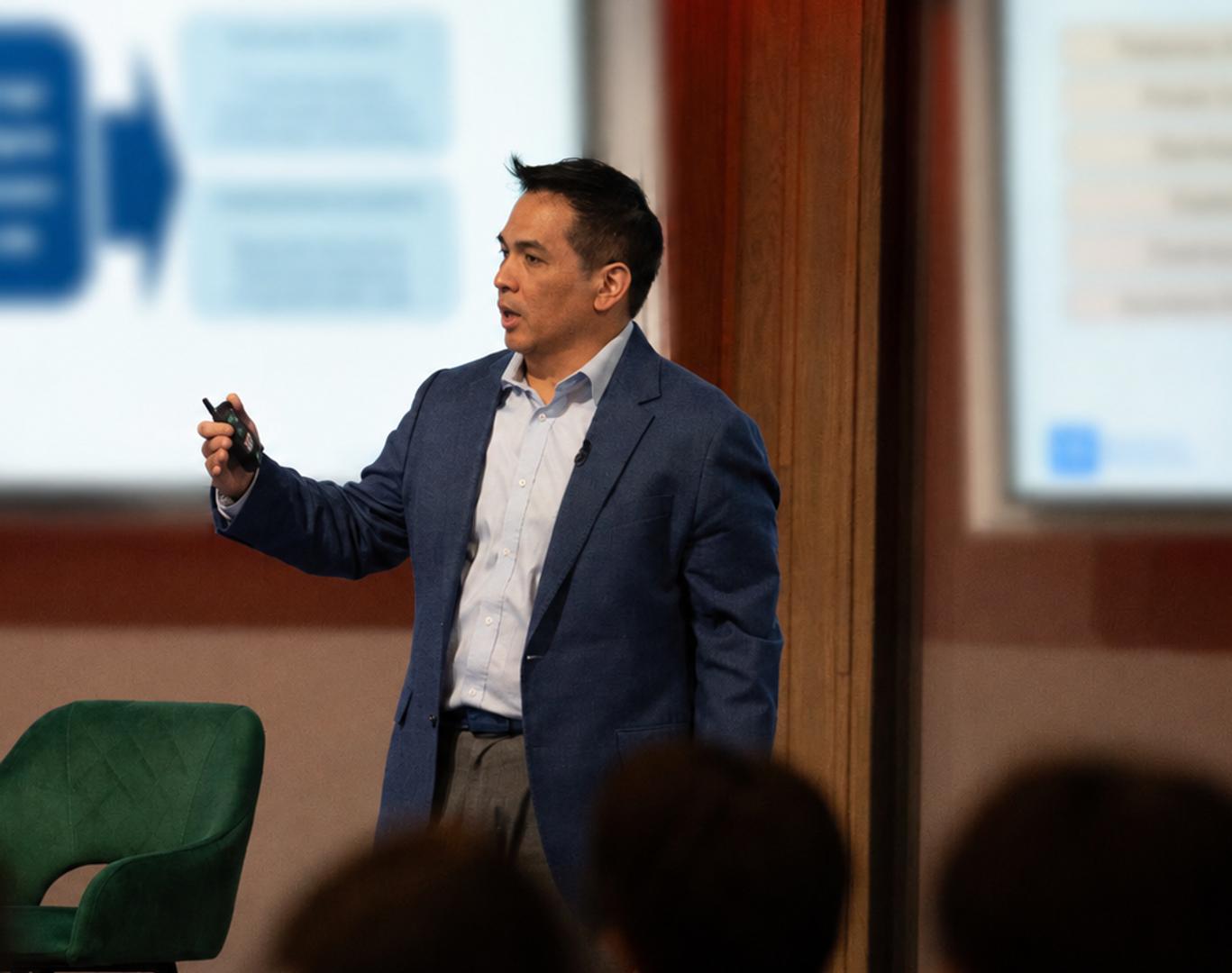
The blockchain revolution, initially heralded for its disruption of payments and creation of novel digital assets, is rapidly expanding its influence into the traditional finance sector. While much of the recent discourse has centered on the tokenization of real-world assets (RWAs) like real estate and commodities, a more profound and transformative application is now emerging: the creation of hyper-personalized investment portfolios. Thomas Sy, head of multi-asset solutions at the formidable $800-million asset manager NYLIM (New York Life Investment Management), posits that blockchain technology holds the key to unlocking "complex portfolio construction that's not yet possible in traditional finance." As senior crypto analysts, we see this vision not just as an incremental improvement but as a paradigm shift in how wealth is managed and accessed.
The Bottlenecks of Traditional Portfolio Management
In conventional finance, truly personalized portfolios—tailored to the granular specificities of an individual's risk tolerance, ethical preferences, liquidity needs, and long-term goals—are often a luxury reserved for ultra-high-net-worth individuals. This limitation stems from several inherent rigidities:
- High Minimums: Many desirable alternative assets (private equity, venture capital, high-value real estate) have prohibitively high entry points, restricting access for most investors.
- Illiquidity: Once invested, these assets are often difficult to sell quickly without significant discounts, hindering portfolio flexibility.
- Operational Overhead: Customizing and managing thousands of individual portfolios with diverse asset allocations involves immense administrative complexity, making it cost-ineffective for asset managers.
- Lack of Fractionalization: Traditional systems struggle with efficiently dividing ownership of single assets into small, manageable units.
These barriers force most investors into standardized, "one-size-fits-all" pooled investment vehicles like mutual funds or ETFs, which, while efficient, sacrifice bespoke customization.
Blockchain's Blueprint for Bespoke Wealth
Thomas Sy's insight lies in recognizing blockchain's ability to dismantle these barriers. Here's how tokenization paves the way for unprecedented portfolio personalization:
Fractional Ownership and Democratization of Access
By tokenizing illiquid or high-value assets, blockchain enables fractional ownership. A single property, a piece of art, or a share in a private fund can be digitally represented as thousands of tokens, each representing a tiny fraction of ownership. This dramatically lowers entry barriers, allowing investors to allocate even small sums across a diverse range of assets previously inaccessible. Imagine a retail investor holding 0.01% of a prime commercial property and 0.005% of a rare art collection, all within a single, personalized portfolio.
Granular Customization and Dynamic Allocation
Smart contracts, the self-executing agreements embedded on a blockchain, are the engine of this new paradigm. They allow for the creation of investment mandates that are far more granular and dynamic than anything possible today. An investor could define parameters like: "invest 5% in renewable energy projects in emerging markets, 3% in tokenized fine wine, 10% in high-yield corporate bonds, and rebalance weekly to maintain these ratios, while divesting from any company involved in fossil fuels if its carbon footprint increases by X%." These complex rules can be hard-coded, audited, and executed automatically by the blockchain, ensuring transparency and compliance.
Enhanced Liquidity and Efficiency
Tokenized assets can be traded on secondary markets 24/7, offering greater liquidity than their traditional counterparts. This increased tradability, combined with the automation afforded by smart contracts, significantly reduces transaction costs, administrative overhead, and settlement times. For asset managers like NYLIM, this translates into the ability to manage a vast number of highly individualized portfolios with far greater efficiency than current systems allow.
Transparency and Auditability
Every transaction, every portfolio adjustment, and every asset ownership record is immutably recorded on the blockchain. This inherent transparency and auditability build trust, reduce the potential for fraud, and provide investors with real-time insight into their holdings and the underlying portfolio logic.
Beyond ETFs: True Algorithmic Asset Management On-Chain
When Sy speaks of "complex portfolio construction," he's hinting at a future where algorithmic asset management reaches its zenith. This isn't just about combining existing ETFs; it's about building truly bespoke investment strategies from the ground up, component by component, each represented by a token. This could involve:
- Automated Rebalancing: Smart contracts can automatically trigger buy/sell orders based on pre-defined market conditions, risk metrics, or time intervals, eliminating human error and emotional trading.
- Sophisticated Derivatives: On-chain derivatives built on tokenized assets could allow for highly specific hedging strategies or yield-enhancement techniques that are currently complex and expensive to implement in TradFi.
- ESG and Impact Investing: Investors can integrate hyper-specific Environmental, Social, and Governance (ESG) criteria directly into their portfolio rules, with smart contracts actively screening and divesting based on real-time data feeds.
This level of precision and automation offers a compelling vision for a future where investment portfolios are living, adaptive entities, constantly optimizing to the investor's evolving needs and market dynamics.
The Road Ahead: Challenges and Opportunities
While the potential is immense, realizing Sy's vision requires overcoming significant hurdles. Regulatory clarity remains paramount, particularly concerning the legal status of tokenized securities and the custody of digital assets. Scalability and interoperability of blockchain networks will be critical to handle the vast transaction volume implied by millions of personalized portfolios. Furthermore, educating investors and financial advisors about the benefits and risks of this nascent technology is essential. However, the first movers in this space, leveraging the expertise of established players like NYLIM, stand to capture a significant share of a rapidly evolving market. The democratization of sophisticated wealth management, driven by blockchain, is not merely a theoretical concept; it's the next logical step in the evolution of finance.