A Precarious Balance: Washington's Tightrope, Wall Street's Deep Dive, and Bitcoin's Jitters
The past week in the cryptocurrency world was a testament to its multifaceted and often contradictory nature, marked by a delicate legislative survival, significant institutional capital infusion, and an unsettling moment of market-wide introspection. From the halls of Washington to the boardrooms of Wall Street and the intricate movements on the Bitcoin blockchain, the events underscored crypto's ongoing journey towards mainstream integration, albeit one fraught with regulatory uncertainty and inherent market volatility. As a Senior Crypto Analyst, the nuanced interplay of these developments offers critical insights into the ecosystem's evolving landscape.
Washington's Legislative Lifeline: Clarity Survives (Barely)
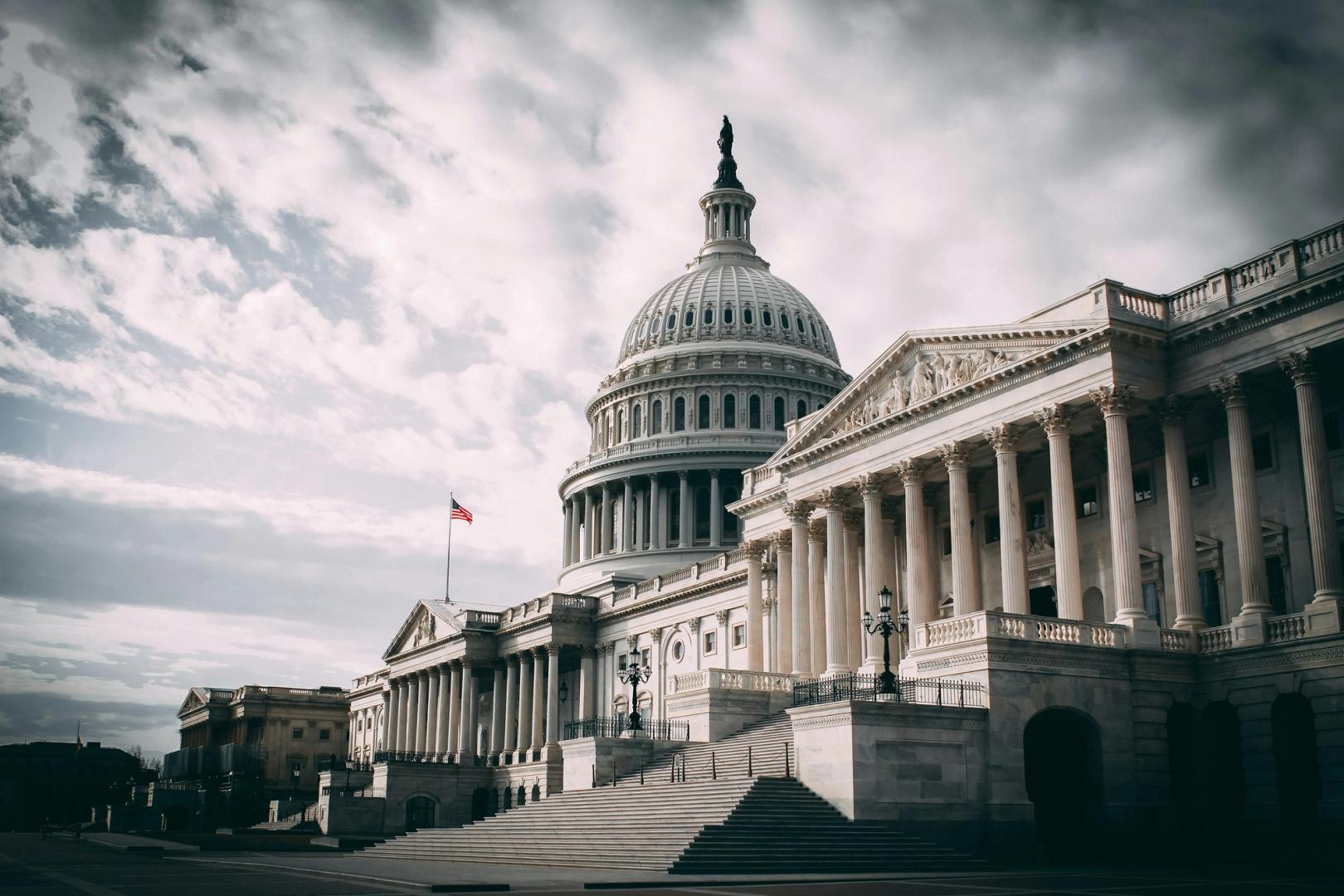
One of the most significant narratives of the week revolved around Washington's crypto legislative efforts, where, as the source context notes, crypto’s “biggest legislative hope” was kept alive, albeit “barely.” This phrasing points to a contentious battle, likely concerning critical pieces of legislation aimed at providing regulatory clarity for stablecoins or broader market structures, such as the Financial Innovation and Technology for the 21st Century Act (FIT21) or stablecoin regulatory frameworks. The fact that it survived suggests a recognition among some policymakers of the need for a coherent regulatory environment, preventing an outright ban or suffocating overregulation that could stifle innovation in the U.S. However, the 'barely' implies strong opposition remains, perhaps from consumer protection advocates or those wary of crypto's systemic risks.
For the market, the mere survival of these legislative efforts is a cautious win. It signals that dialogue is ongoing and that the path to regulatory certainty, however slow, is not entirely closed off. This alleviates some of the existential dread that can paralyze innovation and investment. However, the fragile nature of this survival means that future progress is far from guaranteed, and the industry must continue its robust advocacy. A piecemeal or ambiguous regulatory framework, rather than a clear, comprehensive one, could still lead to regulatory arbitrage and impede the growth of legitimate crypto businesses within the U.S. The analyst's perspective here is one of cautious optimism, recognizing that regulatory clarity is the bedrock upon which long-term institutional adoption can truly flourish.
Wall Street's Deep Dive: Mastercard's $1.8 Billion Bet and Strategic Shifts
While Washington wrestled with policy, Wall Street continued its relentless push deeper into digital assets, with Mastercard's reported $1.8 billion deal standing out as a prime example. While the exact nature of this deal isn't specified in the context, a sum of this magnitude from a global payments giant like Mastercard strongly suggests a strategic acquisition or a massive investment into crypto infrastructure, blockchain technology, or a related Web3 venture. Potential avenues include acquiring a significant crypto payments processor, investing in tokenization platforms, or expanding its own digital asset capabilities to facilitate CBDCs or stablecoin payments.
This move by Mastercard is not isolated; it reflects a broader trend of traditional financial institutions recognizing the inevitable convergence of their services with blockchain technology. It's a strategic imperative, not just an exploratory foray. Such investments provide significant validation for the crypto space, bringing not just capital but also regulatory compliance expertise, established customer bases, and a reputation for stability. The source's mention of “Strategy sells” could be interpreted in several ways. If referring to MicroStrategy, it might indicate strategic adjustments to their immense Bitcoin holdings—perhaps selling a small portion to rebalance, or even engaging in advanced financial products tied to BTC. More broadly, it signifies that institutional players are continuously refining their crypto strategies, moving beyond simple accumulation to more sophisticated engagement, including yield generation, lending, and integration into existing financial products.
The Unsettling Security Scare: Billions in Bitcoin on the Move
Amidst the legislative tug-of-war and institutional embrace, the crypto market was briefly rattled by a “security scare that sent billions of dollars of bitcoin moving between wallets.” Such large-scale movements on the blockchain are always scrutinized, often signaling significant events. Potential causes could range from a major exchange hack, a colossal whale moving funds to new cold storage, an institution rebalancing its holdings, or even a perceived vulnerability in a major protocol or a false rumor that triggered panic. The immediate effect of such an event is a dip in investor confidence, leading to market volatility as traders react to the uncertainty.
From an analytical standpoint, these movements highlight both the transparency and the inherent risks of a pseudonymous blockchain. While the movement of funds is visible, the identity and precise motivation behind them often remain obscured initially, fostering speculation. It serves as a stark reminder that despite increasing institutionalization, the crypto market remains susceptible to large, opaque events that can trigger swift reactions. For investors, it underscores the paramount importance of robust security practices, diversified portfolios, and staying informed about on-chain analytics. The rapid movement of billions in BTC is a stress test for market resilience and reveals the quick reflexes of participants in an ecosystem still maturing.
Conclusion: Navigating Crypto's Evolving Terrain
The past week painted a vivid picture of the crypto landscape: a complex interplay of political will, financial innovation, and market mechanics. Washington's legislative tightrope walk signifies the ongoing challenge of integrating a disruptive technology into existing legal frameworks. Wall Street's deeper dive, exemplified by Mastercard's substantial investment, reaffirms the growing institutional conviction in the long-term viability and transformative potential of digital assets. And the bitcoin security scare, while unsettling, serves as a crucial reminder of the unique risks and transparency inherent in decentralized systems.
As a Senior Crypto Analyst, these converging narratives suggest an ecosystem in constant flux, moving rapidly beyond its speculative origins. The path forward will undoubtedly be shaped by continued regulatory evolution, sustained institutional capital inflows, and an unwavering focus on security and transparency. For participants, understanding these macro forces is key to navigating an environment where innovation, regulation, and market sentiment continuously vie for dominance.