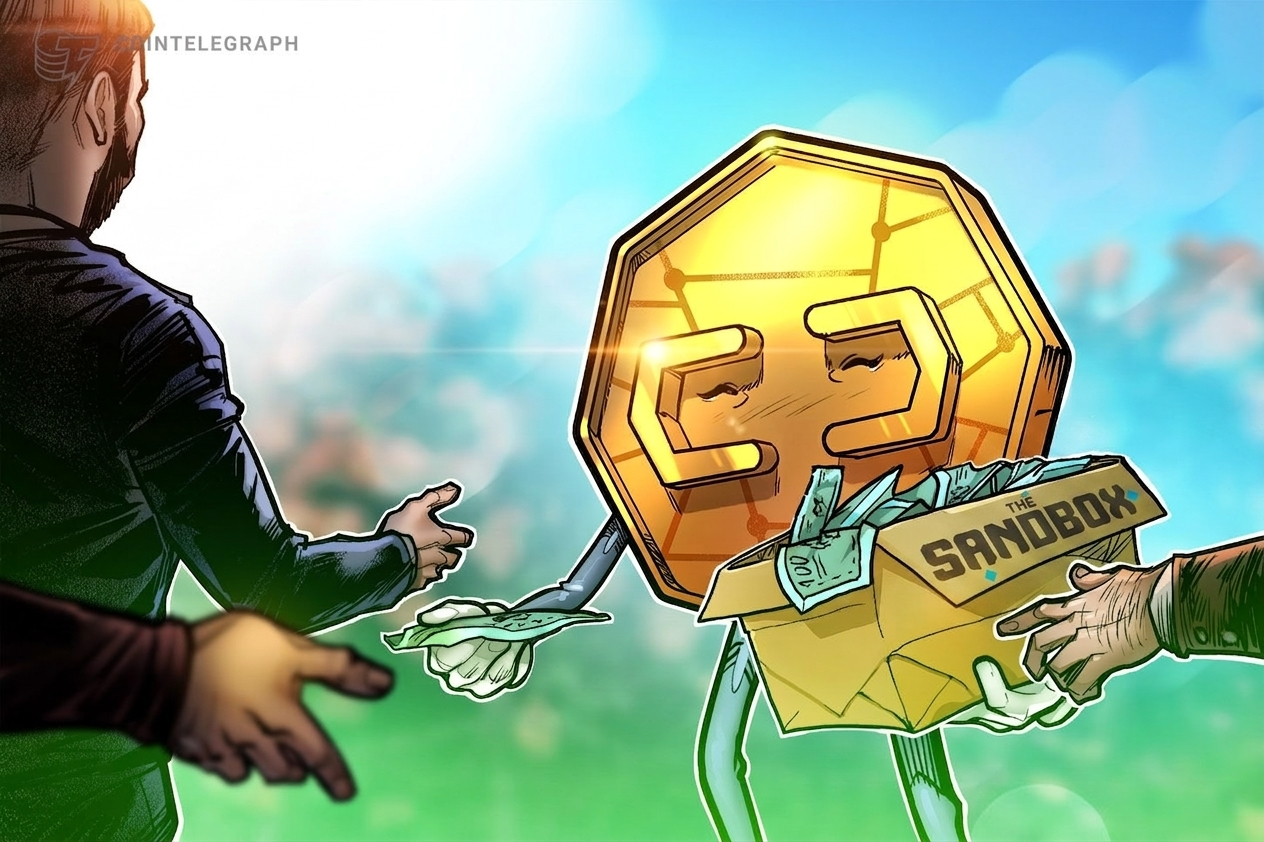
The Sandbox's Swift Retaliation: 1:1 Repayment After $700K Bridge Exploit Reaffirms Commitment
In the volatile landscape of decentralized finance, security breaches remain an unfortunate, recurring theme. However, a project's response to such incidents often defines its resilience and commitment to its community. The Sandbox, a prominent player in the metaverse and gaming sector, recently faced this crucible, pledging a full 1:1 repayment to users affected by a $700,000 bridge exploit. This proactive stance, aimed at restoring trust and mitigating damage, offers a critical case study for the broader crypto ecosystem.
Unpacking the Incident: A Bridge Exploitation on Base and BNB Chain
The incident in question involved an exploit targeting a bridge mechanism, specifically impacting SAND token holders on both the Base and BNB Chain networks. While the exact technical vectors of the exploit are still being dissected, bridge vulnerabilities have historically been a significant attack surface in the multi-chain paradigm. These bridges, designed to facilitate asset transfers between disparate blockchain environments, often present complex smart contract architectures that, if not rigorously audited and secured, can become lucrative targets for malicious actors. The reported sum of $700,000, while not catastrophic for a project of The Sandbox's scale, represents a substantial loss for the affected individuals and highlights the persistent challenge of maintaining impregnable cross-chain security.
The exploit's occurrence on Base, a relatively newer Layer 2 solution, and the established BNB Chain, underscores that no network, regardless of its maturity or parentage, is entirely immune to the sophisticated tactics employed by today's crypto attackers. This event serves as a stark reminder that as the industry pushes for greater interoperability and scalability through diverse blockchain networks, the complexity of securing these interconnected systems scales exponentially, demanding continuous vigilance and innovation in security protocols.
The Repayment Mechanism: Treasury-Backed SAND and a Clear Roadmap
The Sandbox's response has been commendably swift and transparent. The project has committed to a 1:1 repayment, ensuring that eligible holders on Base and BNB Chain will receive an equivalent amount of Ethereum-based SAND tokens. This choice of repayment asset is significant, leveraging the native, most liquid form of SAND, thereby maintaining consistency and utility for the affected users. The source of these funds will be the project's treasury, a strategic decision that showcases the project's financial stability and its willingness to absorb the cost to protect its user base rather than passing the burden onto the community or engaging in inflationary measures.
Furthermore, the announcement that claims are expected to open within two weeks provides a clear timeline for remediation. This level of detail and promptness in establishing a recovery plan is crucial for managing community sentiment, assuaging fears, and preventing further FUD (fear, uncertainty, and doubt) from destabilizing the ecosystem. By offering a direct, treasury-backed restitution, The Sandbox aims not just to replace lost assets but to rebuild and reinforce the trust that is foundational to any decentralized platform's long-term success.
Analysis from a Senior Crypto Analyst's Desk: A Double-Edged Sword
From an analytical standpoint, The Sandbox's handling of this incident presents a double-edged sword. On one hand, the proactive and full repayment pledge is a strong positive. It demonstrates a high degree of corporate responsibility, a quality often sought but not always found in the often-anonymous world of Web3. Such actions can significantly bolster community loyalty and investor confidence, signaling that the project prioritizes user protection even at a direct financial cost to itself. This commitment can set a powerful precedent for other projects, encouraging a higher standard of incident response across the industry. In a market where rug pulls and abandonment are not uncommon, The Sandbox’s stance reinforces the notion that reputable projects will stand by their users.
However, the existence of the exploit itself raises critical questions. How did a bridge, a fundamental component for multi-chain functionality, become vulnerable? Were security audits sufficient? Were there external factors at play, or internal oversights? While $700K is a manageable amount for The Sandbox's treasury, it's still a direct hit, representing a diversion of resources that could otherwise be used for development, marketing, or ecosystem growth. More importantly, repeated security incidents, regardless of the promptness of their resolution, can chip away at a project's long-term reputation and potentially deter new users and institutional partners who prioritize robust security frameworks above all else.
This incident also prompts a deeper look into the evolving threat landscape for metaverse projects. As these platforms integrate more complex functionalities—from in-game economies to NFT marketplaces and cross-chain asset transfers—their attack surface expands. The Sandbox, with its extensive partnerships and ambitious roadmap, must ensure that its security posture evolves at an even faster pace than its feature set. This means continuous, multi-layered security audits, bug bounty programs, and real-time threat monitoring are not just best practices, but absolute necessities.
The Broader Landscape: Bridge Security and DeFi Vulnerabilities
This exploit is not an isolated event but rather a symptom of a systemic challenge within the broader crypto ecosystem: the inherent vulnerabilities of cross-chain bridges. Projects like Ronin, Wormhole, Nomad, and BNB Bridge have all fallen victim to multi-million dollar exploits in the past, collectively resulting in billions of dollars in losses. These incidents highlight the extreme difficulty in securing these critical pieces of infrastructure. The design trade-offs between decentralization, speed, and security are complex, and attackers are constantly probing for weaknesses.
The Sandbox's incident serves as another powerful reminder that while the dream of a seamlessly interconnected multi-chain future is compelling, the current reality demands extreme caution. Developers must prioritize security at every stage, from design to deployment and ongoing maintenance. For users, it underscores the importance of diversifying holdings, understanding the risks associated with different chains and bridge technologies, and practicing due diligence when interacting with any decentralized application.
Impact on The Sandbox's Ecosystem and Future
For The Sandbox, this incident, while a setback, has been managed in a way that could ultimately strengthen its position. By demonstrating accountability and financial fortitude, the project can potentially reinforce trust among its existing community and reassure prospective users and investors. The swift action mitigates the risk of widespread panic selling of SAND tokens and protects the integrity of its nascent metaverse economy. However, the long-term impact will depend on the project's ability to not only repay the affected users but also to implement robust, verifiable security upgrades that prevent similar incidents from occurring in the future.
Investors and partners will be keenly observing The Sandbox's next steps in reinforcing its security architecture. A transparent post-mortem analysis, coupled with actionable improvements, will be crucial for maintaining its trajectory as a leading metaverse platform. The success of its future token generation events, land sales, and partnerships will hinge on its perceived reliability and security posture.
Conclusion: Navigating Challenges in the Metaverse Frontier
The Sandbox's commitment to a 1:1 repayment following a $700K bridge exploit is a testament to its dedication to user trust and ecosystem stability. While the exploit itself is a regrettable incident that underscores the persistent security challenges in DeFi and cross-chain interoperability, the project's swift, treasury-backed response offers a valuable lesson in crisis management. As the metaverse continues to expand and integrate more complex financial mechanisms, the ability of projects to secure their infrastructure and, crucially, to stand by their users in times of adversity, will be the ultimate determinant of their long-term viability and success.