The Looming Quantum Threat and Satoshi's Dormant Fortune
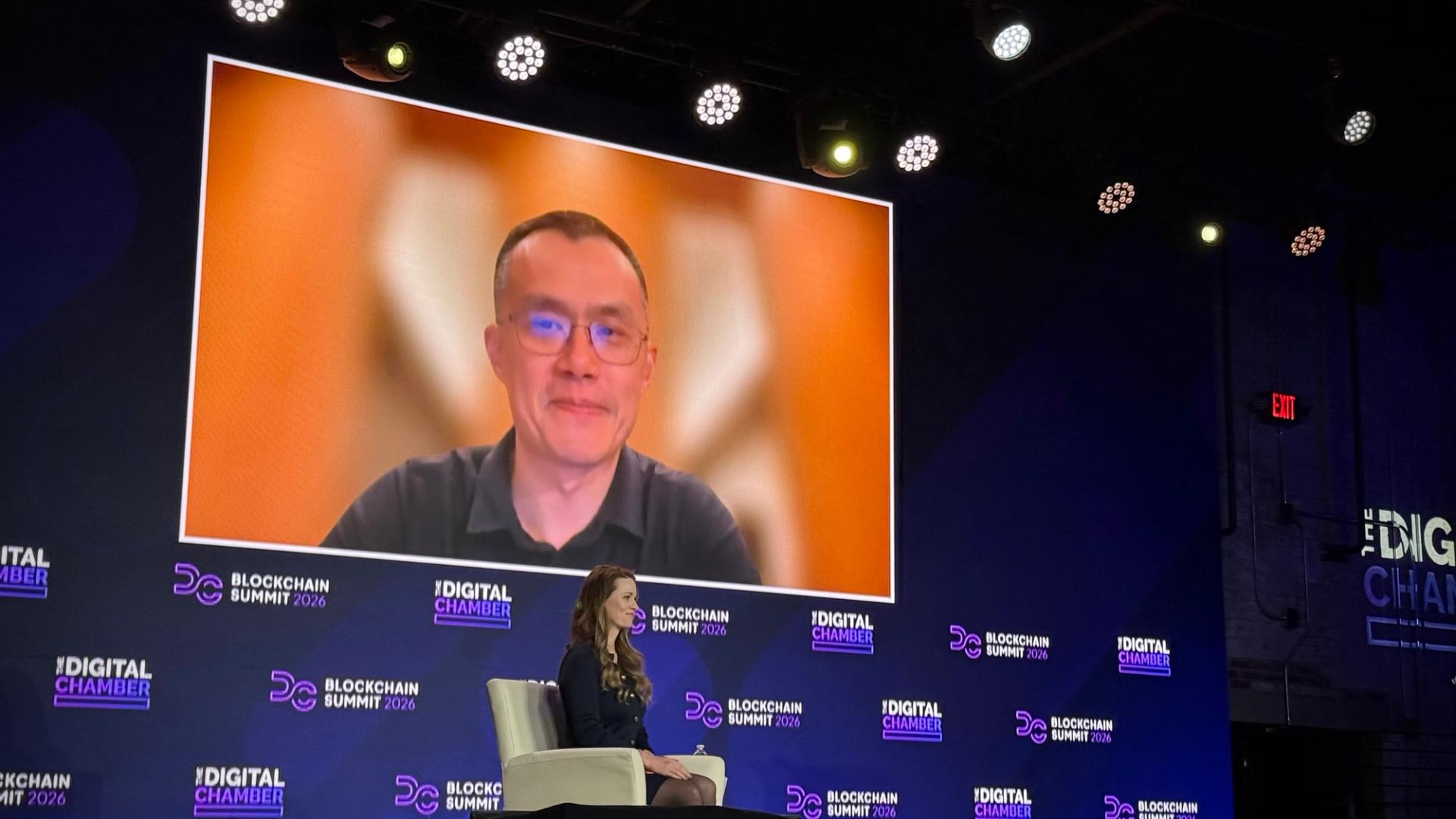
In the world of cryptocurrency, few topics ignite as much passion and philosophical debate as the fate of Satoshi Nakamoto's estimated 1.1 million Bitcoin. This vast, untouched fortune, valued in the tens of billions, has long been a symbol of Bitcoin's enigmatic origins and the community's reverence for its anonymous founder. However, a recent proposal from Binance founder Changpeng Zhao (CZ) has thrust these dormant coins into the spotlight, not as a historical curiosity, but as a potential Achilles' heel in the face of an emerging threat: quantum computing. CZ's suggestion to "freeze" Satoshi's BTC before quantum computers can steal them has cleaved the crypto community, sparking a fervent discussion that pits pragmatism against principle, security against immutability, and the future of Bitcoin itself.
As a senior crypto analyst, it's clear this isn't merely a technical debate; it's a foundational challenge to Bitcoin's ethos. The quantum threat is real, if distant, and the proposed solutions are fraught with profound implications. Understanding this complex interplay requires a deep dive into the nature of quantum computing, the mechanics of Bitcoin's security, and the very philosophy that underpins decentralized finance.
Understanding the Quantum Threat to Bitcoin
At its core, Bitcoin's security relies heavily on cryptographic algorithms, primarily the Elliptic Curve Digital Signature Algorithm (ECDSA) for securing transactions. While immensely strong against classical computers, these algorithms are theoretically vulnerable to sufficiently powerful quantum computers. Shor's algorithm, specifically, could enable a quantum machine to derive a private key from a public key with relative ease. For Bitcoin, this means that if a transaction's public key is exposed (which happens the moment a transaction is broadcast), a quantum adversary could potentially compute the private key and spend the associated funds.
Why is Satoshi's stash particularly vulnerable? Because these 1.1 million bitcoins have never moved. The public keys associated with these early mining rewards are all publicly known on the blockchain, having been exposed in the very first transactions that sent the coins to Satoshi's addresses. While funds in newer wallets often remain secure until spent (as their public keys aren't exposed until a transaction is signed), Satoshi's coins are sitting ducks, perpetually exposing their public keys to potential quantum attacks. The timeline for a sufficiently powerful quantum computer remains uncertain – some estimate decades, others sooner – but the theoretical vulnerability is undisputed.
CZ's Quantum Gambit: The Case for Freezing
Changpeng Zhao's proposal stems from a desire for proactive defense. His argument is straightforward: waiting until a quantum computer capable of cracking ECDSA exists would be too late. The theft of 1.1 million BTC, representing over 5% of Bitcoin's total supply, would be a catastrophic event. Such an exploit could trigger a massive market crash, shatter trust in Bitcoin's security, and fundamentally undermine its value proposition. From this perspective, freezing the coins – presumably making them unspendable by their current private keys, or moving them to quantum-resistant addresses via a hard fork – is a necessary preventative measure to safeguard the entire Bitcoin ecosystem.
Proponents of this view emphasize the "greater good" argument. Protecting the entire network from an existential threat, they contend, should supersede the sanctity of specific dormant coins, especially those belonging to an anonymous entity. They might also argue that if Satoshi himself were present and understood the threat, he would endorse such a move to preserve the network he created. The proposal, therefore, frames itself as a practical solution to a foreseeable problem, demonstrating foresight and adaptability crucial for a technology aiming for global dominance.
The Immutable Wall: Arguments Against Intervention
However, the concept of freezing Satoshi's coins, or indeed any coins, strikes at the very heart of Bitcoin's core principles: immutability, censorship resistance, and decentralized control. Critics argue that intervening to alter ownership or spendability, even for a perceived good, sets a dangerous precedent. If the community can decide to freeze Satoshi's coins today, what prevents them from freezing someone else's coins tomorrow? This "slippery slope" argument is powerful, suggesting that such an act would fundamentally centralize power and erode the trustless nature of Bitcoin.
Furthermore, implementing such a freeze would require a contentious hard fork, a protocol upgrade that is not backward-compatible and would demand near-unanimous consensus among miners, node operators, and developers. Historically, hard forks have been incredibly difficult to coordinate, especially those with such profound philosophical implications. The potential for a chain split, with different factions adhering to different versions of the protocol, is a very real risk, which could be more damaging than the quantum threat itself.
Many argue that the onus should be on the community to develop quantum-resistant cryptographic upgrades for future transactions rather than retroactively altering the past. They believe Bitcoin's strength lies in its unyielding rules and resistance to external intervention, even from its founder's theoretical vulnerability. To them, the long-term solution lies in forward-looking protocol evolution, not a retroactive modification of established property rights.
Feasibility, Precedent, and Bitcoin's Future
The debate around freezing Satoshi's coins is less about technical feasibility (a hard fork is technically possible, albeit difficult) and more about governance and philosophy. Bitcoin was designed to be immutable, a ledger beyond the reach of any single entity or even a collective majority making arbitrary decisions. Violating this principle, even to save Bitcoin from a future threat, could fundamentally change what Bitcoin represents.
Moreover, the economic implications are complex. While freezing the coins prevents quantum theft, it also signifies an extraordinary intervention. How would markets react? Would investors see it as a sign of strength and adaptability, or as a betrayal of Bitcoin's foundational tenets, leading to a loss of confidence? The perception of Bitcoin's security and decentralization is just as crucial as the underlying technology.
Ultimately, this discussion forces the Bitcoin community to confront its identity. Is Bitcoin a rigid, unalterable system that trusts its original design implicitly, even in the face of new threats? Or is it a dynamic, adaptable protocol willing to evolve and make difficult decisions to ensure its long-term survival? The answers to these questions will not only determine the fate of Satoshi's 1.1 million bitcoins but will also define the very nature and future trajectory of the world's leading cryptocurrency.