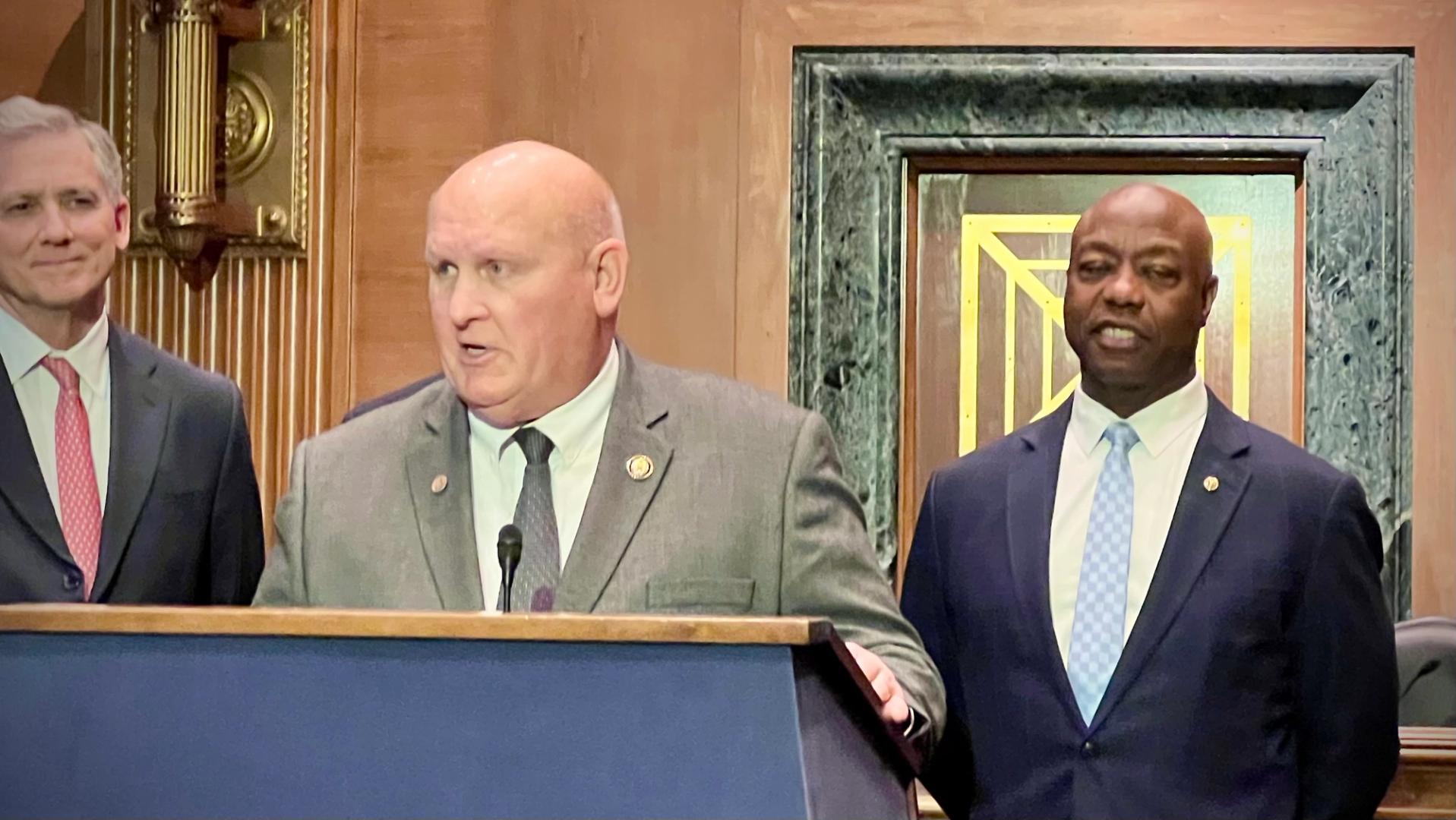
The Crypto Crossroads: Lawmakers Demand Bipartisan CFTC Leadership Amid Expanding Oversight
The U.S. crypto landscape stands at a pivotal juncture, marked by rapid innovation and an ever-present need for regulatory clarity. At the heart of this evolving paradigm is the Commodity Futures Trading Commission (CFTC), an agency whose mandate to police U.S. crypto trading has expanded dramatically. Recognizing this burgeoning responsibility and the critical need for stability, senior House lawmakers overseeing the CFTC have issued a pressing call, urging President Trump to fill the commission’s vacant seats and ensure robust, bipartisan leadership. This demand isn't merely about administrative efficiency; it underscores a profound understanding that the future trajectory of digital asset markets, from investor protection to fostering responsible innovation, hinges on a fully functional and ideologically diverse regulatory body.
The CFTC's Evolving Mandate in Crypto
Historically known for overseeing derivatives markets, the CFTC has found itself increasingly at the forefront of crypto regulation. Its jurisdiction primarily extends to digital assets deemed "commodities," a classification that includes Bitcoin and Ethereum, particularly when traded in futures or derivatives markets. Over recent years, the agency has taken proactive steps, from issuing guidance to bringing enforcement actions against unregistered derivatives platforms and fraudulent schemes involving digital commodities. This aggressive stance highlights the CFTC's commitment to consumer protection and market integrity in a sector rife with novel risks. As the crypto market matures and institutional interest surges, the volume and complexity of trading necessitate more sophisticated oversight. The challenge is not just identifying illicit activity but also providing a clear framework that allows legitimate businesses to operate, innovate, and attract capital without fear of arbitrary regulatory action. An understaffed commission struggles to keep pace with these demands, potentially leading to regulatory gaps or inconsistent enforcement.
The Urgency of Bipartisan Leadership
The lawmakers’ emphasis on bipartisan leadership is particularly significant. A fully constituted commission, ideally comprising members from both major political parties, ensures a broader range of perspectives and a more balanced approach to policy-making. In the highly politicized environment of Washington D.C., and particularly given the divisive nature of some crypto debates, a bipartisan CFTC can foster stability and consensus, creating regulations that are less susceptible to sudden shifts with changing political tides. Without a full complement of commissioners, key decisions can be delayed, and the agency’s strategic direction might become unduly influenced by a single perspective, undermining its effectiveness and credibility. Such an environment breeds uncertainty, which is anathema to market growth and investor confidence. The call for bipartisan appointments signals a desire for long-term vision and principled governance over short-term political maneuvering, crucial for an industry as dynamic and globally interconnected as crypto.
Implications for the Crypto Market
The implications of a fully staffed, bipartisan CFTC for the crypto market are profound. Firstly, market clarity stands to improve dramatically. Clear, consistent regulatory guidance from a united commission would provide institutional investors, custodians, exchanges, and developers with the certainty they desperately seek. This clarity is a prerequisite for unlocking significant institutional capital and mainstream adoption. Secondly, it strikes a better balance between innovation and regulation. A diverse commission can better weigh the benefits of emerging technologies against potential risks, crafting rules that protect consumers and prevent market manipulation without stifling technological advancements. This includes navigating the tricky terrain of decentralized finance (DeFi) and other nascent sectors. Thirdly, consumer protection would be significantly enhanced. A robust CFTC, unburdened by internal staffing issues, can more effectively monitor markets, identify fraudulent actors, and enforce rules that safeguard retail investors from predatory practices and systemic risks. Finally, a strong, unified CFTC could help alleviate the ongoing jurisdictional ambiguity between itself and the Securities and Exchange Commission (SEC). While the debate over what constitutes a "commodity" versus a "security" in the crypto space rages on, a fully functional CFTC can better articulate its scope, potentially fostering greater inter-agency cooperation and leading to a more coherent overall regulatory framework for digital assets in the U.S.
Political Context and Future Outlook
The timing of this appeal, directed at President Trump, adds another layer of complexity. With a looming presidential election, the window for significant appointments that require Senate confirmation is narrowing. The current administration's stance on crypto has been somewhat varied, making these appointments critical in setting the tone for future regulatory engagement. If the vacancies remain unfilled or are filled with candidates perceived as overly partisan, the crypto industry could face continued regulatory drift and uncertainty, potentially pushing innovation offshore. Conversely, swift and judicious appointments could signal a commitment to establishing the U.S. as a leader in responsible crypto innovation. The challenge lies not only in finding candidates willing to serve but also in identifying individuals who possess a deep understanding of both traditional financial markets and the unique technological nuances of blockchain and digital assets. Their ability to adapt regulatory principles to novel paradigms will be paramount.
Conclusion
The call from U.S. House lawmakers for President Trump to prioritize and fill the CFTC's ranks with bipartisan leaders is more than a procedural request; it's a strategic imperative for the future of the U.S. crypto market. As the CFTC's role in policing digital asset trading continues to grow, its capacity to provide clarity, ensure market integrity, protect consumers, and foster innovation is directly tied to the strength and unity of its leadership. A fully staffed, ideologically diverse commission is not just desirable but essential for navigating the complexities of this rapidly evolving sector, ensuring that the U.S. remains competitive and secure in the global digital economy. The actions taken in response to this urgent plea will undoubtedly shape the regulatory landscape for crypto for years to come.