Bitcoin's Peculiar Stagnation: A Deep Dive into Divergent Market Forces
As the global financial landscape paints a picture of stark contrasts, Bitcoin (BTC) finds itself in an intriguing state of equilibrium, stubbornly holding near the $64,000 mark. This relative calm for the flagship cryptocurrency occurs amidst a cacophony of bullish signals in traditional markets and significant geopolitical developments that typically send ripples across asset classes. MSCI's world index has soared to yet another all-time peak, signifying a robust appetite for risk in conventional equities, while Brent crude oil prices show signs of softening as a potential deal concerning the critical Strait of Hormuz nears. Adding to the intrigue, Ether (ETH), often considered Bitcoin's closest peer, stands out as the only major cryptocurrency to register a weekly decline. As senior crypto analysts, we must dissect this peculiar divergence and understand what these disparate signals portend for Bitcoin's immediate future and the broader digital asset ecosystem.
The $64,000 Anchor: Bitcoin's Consolidation Phase
Bitcoin's inability to break decisively above or below the $64,000 threshold suggests a period of significant consolidation, a familiar pattern after significant rallies or corrections. This level appears to be acting as a strong psychological and technical anchor, attracting both buyers on dips and sellers on attempts to push higher. Following a tumultuous year that saw BTC breach new all-time highs and then retreat, the market seems to be digesting a confluence of factors. Institutional inflows into spot Bitcoin ETFs, a major catalyst earlier in the year, have slowed considerably, leading to a reduction in immediate buying pressure. Furthermore, the post-halving period often sees a period of 'miner capitulation' or reduced profitability, which can exert downward pressure or at least dampen bullish sentiment. The lack of fresh narratives or major macroeconomic catalysts specific to crypto further contributes to this range-bound behavior, prompting investors to seek clarity before committing to a directional move.
Traditional Markets Soar: A Divergence or a Delay?
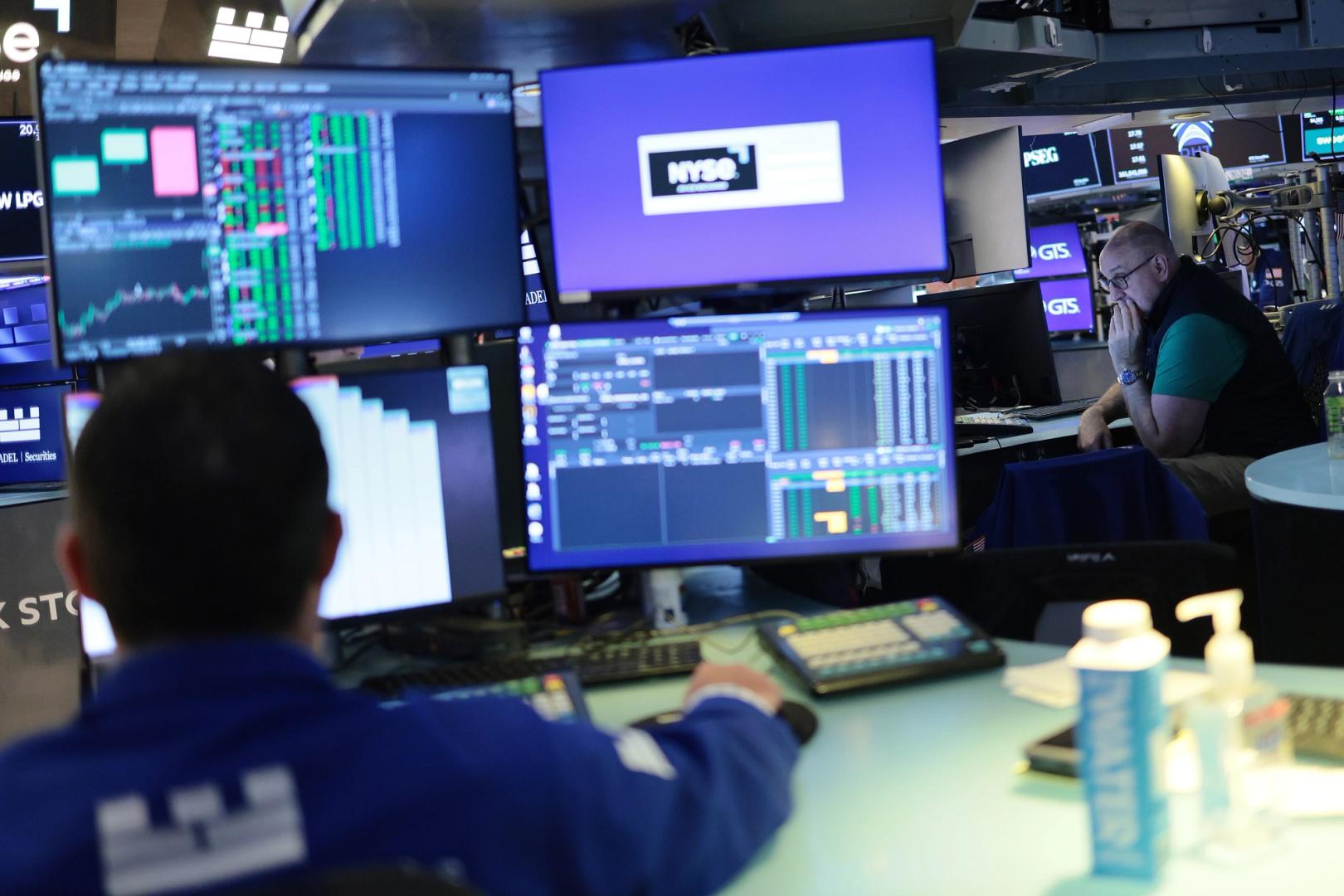
The juxtaposition of Bitcoin's stagnation against the backdrop of record-breaking traditional stock markets is particularly striking. MSCI's world index, a barometer for global equity performance, has surged to new heights, reflecting widespread optimism driven by factors such as strong corporate earnings, robust economic data in key regions, and perhaps an easing of inflation concerns. This 'risk-on' environment in traditional finance poses a critical question for Bitcoin's narrative as a safe-haven or uncorrelated asset. Is capital flowing away from the perceived higher volatility of cryptocurrencies into the more immediate, albeit lower, returns offered by equities? Or is this a temporary decoupling, where traditional markets are merely catching up, and crypto assets are simply biding their time before a renewed push, perhaps fueled by a broader liquidity surge? The answer likely lies in the interplay of interest rate expectations and global liquidity, with investors currently favoring established growth sectors in traditional markets.
Geopolitical Easing: The Hormuz Deal's Potential Impact
The news of Brent crude falling towards a potential deal concerning the Strait of Hormuz introduces another significant macro variable. The Strait of Hormuz is a critical choke point for global oil transit, and any geopolitical tension there typically sends oil prices soaring due to supply disruption fears. A deal, implying de-escalation, could lead to sustained lower oil prices. While seemingly distant from Bitcoin, the implications are far-reaching. Lower oil prices generally translate to reduced inflationary pressures, potentially giving central banks more room to consider interest rate cuts. This loosening of monetary policy could stimulate global economic activity and increase overall liquidity, which historically has been a tailwind for risk assets, including cryptocurrencies. Conversely, a reduction in geopolitical risk premiums might lessen Bitcoin's appeal as a 'digital gold' or hedge against global instability, leading some investors to re-evaluate its safe-haven utility in calmer waters.
Ether's Underperformance: An Internal Crypto Signal
Amidst Bitcoin's consolidation, Ether's status as the sole major cryptocurrency down on the week warrants closer inspection. This underperformance could be attributed to several factors. Regulatory uncertainty surrounding the approval of spot Ether ETFs in the U.S. remains a significant overhang, dampening institutional enthusiasm compared to Bitcoin. Furthermore, while the Dencun upgrade was a success, the immediate post-upgrade period often sees 'buy the rumor, sell the news' dynamics. Competition from other Layer 1 blockchains and scaling solutions, coupled with a general 'altcoin season' that hasn't fully materialized as expected, might also be contributing to Ether's relative weakness. Ether's price action often serves as a bellwether for the broader altcoin market, and its current dip could suggest a broader cautious sentiment pervading the non-Bitcoin crypto landscape, indicating a rotation of capital back into Bitcoin or out of crypto entirely.
The Road Ahead: Navigating Divergent Currents
For Bitcoin to break out of its current range, a clear catalyst is needed. This could come in the form of renewed institutional demand for spot ETFs, a significant shift in central bank monetary policy (e.g., explicit signals for rate cuts), or a fresh wave of innovation or adoption within the crypto space. Key metrics to watch include the daily net flows into Bitcoin ETFs, on-chain analytics revealing long-term holder behavior, and the macroeconomic calendar for inflation reports and central bank commentary. The divergence between crypto and traditional markets suggests a period of re-evaluation for investors, where the narratives driving each asset class are being rigorously tested. As a senior crypto analyst, my view is that while the current landscape presents challenges, Bitcoin's fundamental value proposition and its long-term potential as a digital store of value remain intact. However, investors should brace for continued volatility and a dynamic interplay between macro forces and internal crypto developments.
Conclusion: A Market at a Crossroads
Bitcoin's steadfastness at $64,000, juxtaposed against roaring traditional markets and a softening geopolitical outlook, paints a picture of a market at a crossroads. While traditional assets bask in renewed optimism, Bitcoin seems to be navigating a period of internal recalibration, complicated by Ether's relative weakness. The evolving dynamics of global liquidity, inflationary pressures, and geopolitical stability will undoubtedly shape Bitcoin's trajectory in the coming weeks and months. For astute investors, this period of consolidation represents not just a pause, but an opportunity to observe, analyze, and strategically position themselves for the next phase of the digital asset market's evolution. The $64,000 question isn't just about the price; it's about discerning the underlying currents shaping the future of finance.