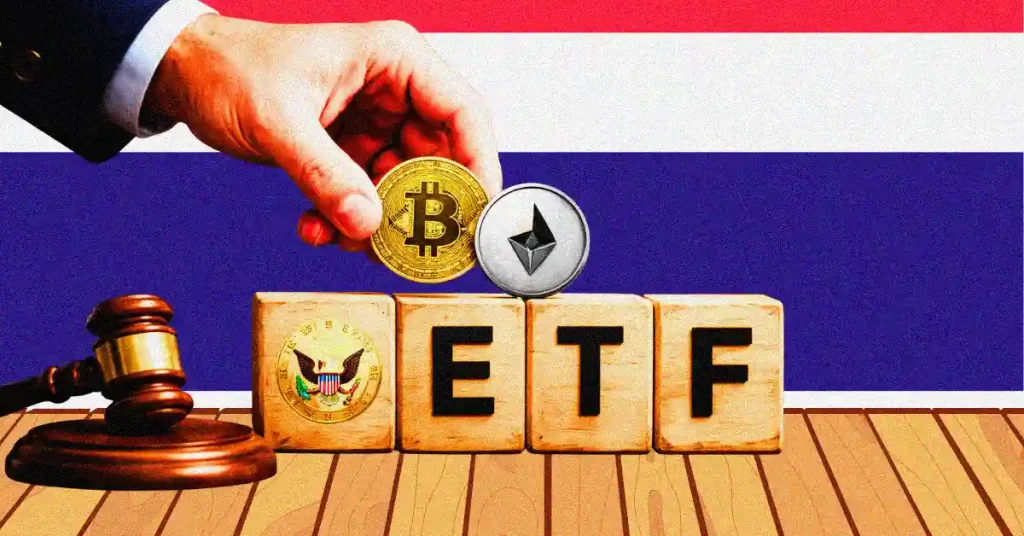
Introduction: Thailand's Strategic Move into Crypto ETFs
The digital asset landscape in Southeast Asia is on the cusp of a significant transformation, with Thailand emerging as a potential frontrunner in embracing mainstream cryptocurrency investment vehicles. In a landmark move, the Thai Securities and Exchange Commission (SEC) recently initiated a public comment period for draft regulations governing crypto exchange-traded funds (ETFs). This crucial step signals Thailand's formal intent to introduce regulated Bitcoin and Ethereum ETF products, aligning the nation with a growing global trend towards institutionalizing digital asset investments and solidifying its position as a forward-thinking financial hub.
A Closer Look at the Proposal: Building a Robust Framework
The comprehensive proposal put forth by the Thai SEC is multifaceted, focusing on two pivotal areas designed to establish a robust and secure ecosystem for crypto ETFs. Firstly, it outlines a regulatory framework specifically tailored for the establishment and operation of crypto ETFs within Thailand. This framework will likely address critical aspects such as fund structure, asset allocation rules, risk management protocols, and disclosure requirements, ensuring that any domestic crypto ETF operates under stringent oversight. Secondly, and equally important, the draft regulations propose revised qualification standards for foreign custodians. This element is crucial, as the safe custody of underlying digital assets is paramount for investor protection. By setting clear and rigorous standards for international custodians, the SEC aims to ensure that assets backing these ETFs are held securely by reputable and well-regulated entities, mitigating risks associated with hacks, theft, or mismanagement. This dual approach indicates a thorough consideration for both the operational integrity of the funds and the fundamental security of the digital assets they represent.
Why Now? A Global Context of Mainstream Adoption
Thailand's proactive stride into the crypto ETF space is not an isolated event but rather a strategic alignment with a burgeoning global trend. The past year has witnessed monumental shifts, most notably the approval of spot Bitcoin ETFs in the United States by the SEC in January, followed swiftly by similar approvals for both Bitcoin and Ethereum spot ETFs in Hong Kong in April. These developments have not only injected billions of dollars into the crypto market but have also provided institutional validation and a new level of accessibility for traditional investors. For nations like Thailand, observing the success and regulatory clarity achieved in these major financial centers offers a compelling blueprint. The Thai SEC's move underscores a recognition that regulated crypto products are becoming an integral part of modern investment portfolios, and remaining at the forefront of this innovation is vital for maintaining competitive advantage and attracting international capital.
Transformative Impact for Thailand's Financial Landscape
Should these regulations be finalized and crypto ETFs launched, the impact on Thailand's financial landscape could be profoundly transformative. Firstly, it promises to democratize access to cryptocurrencies for a broader segment of the population, including institutional investors, pension funds, and retail investors who may have been hesitant to engage directly with volatile crypto exchanges. This regulated gateway offers a familiar investment vehicle, fostering greater trust and potentially unlocking significant capital inflow into the digital asset market. Secondly, it solidifies Thailand's reputation as a progressive financial hub within Southeast Asia, potentially attracting fintech innovation, talent, and foreign investment. By providing clarity and robust regulatory oversight, Thailand can position itself as a leader in the region for digital asset adoption. Thirdly, and perhaps most crucially, the move enhances investor protection. The inherent risks of the crypto market are well-documented; however, investing through a regulated ETF provides layers of security, transparency, and oversight that are often absent in direct crypto ownership. This commitment to investor safety builds confidence and legitimizes digital assets within the traditional financial system.
Ripple Effects Across the Broader Crypto Ecosystem
Beyond Thailand's borders, the approval of Bitcoin and Ethereum ETFs could send significant ripple effects throughout the broader crypto ecosystem, particularly within the ASEAN region. As a major economy in Southeast Asia, Thailand's adoption of crypto ETFs could serve as a powerful precedent, encouraging neighboring countries to explore similar regulatory frameworks. This regional contagion effect could accelerate mainstream adoption of digital assets across a significant economic bloc. Furthermore, it adds another layer of validation for Bitcoin and Ethereum as legitimate, investable asset classes. With each new jurisdiction embracing regulated crypto products, the narrative shifts further away from speculative fringe assets towards integral components of a diversified investment portfolio. This continuous integration into traditional finance bolsters market liquidity, reduces perception-based risks, and paves the way for even greater institutional participation globally, reinforcing the long-term growth trajectory of the crypto market.
Navigating the Path Ahead: Challenges and Considerations
While the outlook is overwhelmingly positive, the path ahead is not without its challenges. The public comment period is a critical phase, allowing stakeholders to voice concerns and refine the draft regulations. The SEC will need to carefully balance fostering innovation with ensuring stringent investor protection, especially given the inherent volatility of cryptocurrencies. Furthermore, even with regulated ETFs, investors will still be exposed to the price swings of Bitcoin and Ethereum, necessitating robust educational initiatives to ensure potential participants fully understand the risks involved. The successful implementation will also depend on the readiness of local financial institutions to integrate these new products and the effectiveness of the revised standards for foreign custodians. Operationalizing these complex financial instruments safely and efficiently will require significant coordination and expertise.
Conclusion: A Landmark Move for Digital Finance
In conclusion, the Thai SEC's proposal for Bitcoin and Ethereum ETF rules marks a pivotal moment for both Thailand's financial sector and the global crypto market. It represents a progressive and strategic move to embrace financial innovation while prioritizing investor safety and market integrity. As the public comment period progresses and the regulations move towards finalization, all eyes will be on Thailand, poised to witness the potential unlocking of new investment avenues, enhanced financial legitimacy for digital assets, and a strengthened position as a regional leader in the evolving landscape of digital finance. This initiative is more than just a regulatory update; it's a testament to the inexorable march of cryptocurrencies into the mainstream, facilitated by robust and forward-thinking regulatory frameworks.
Featured News Partner: Coinpedia News