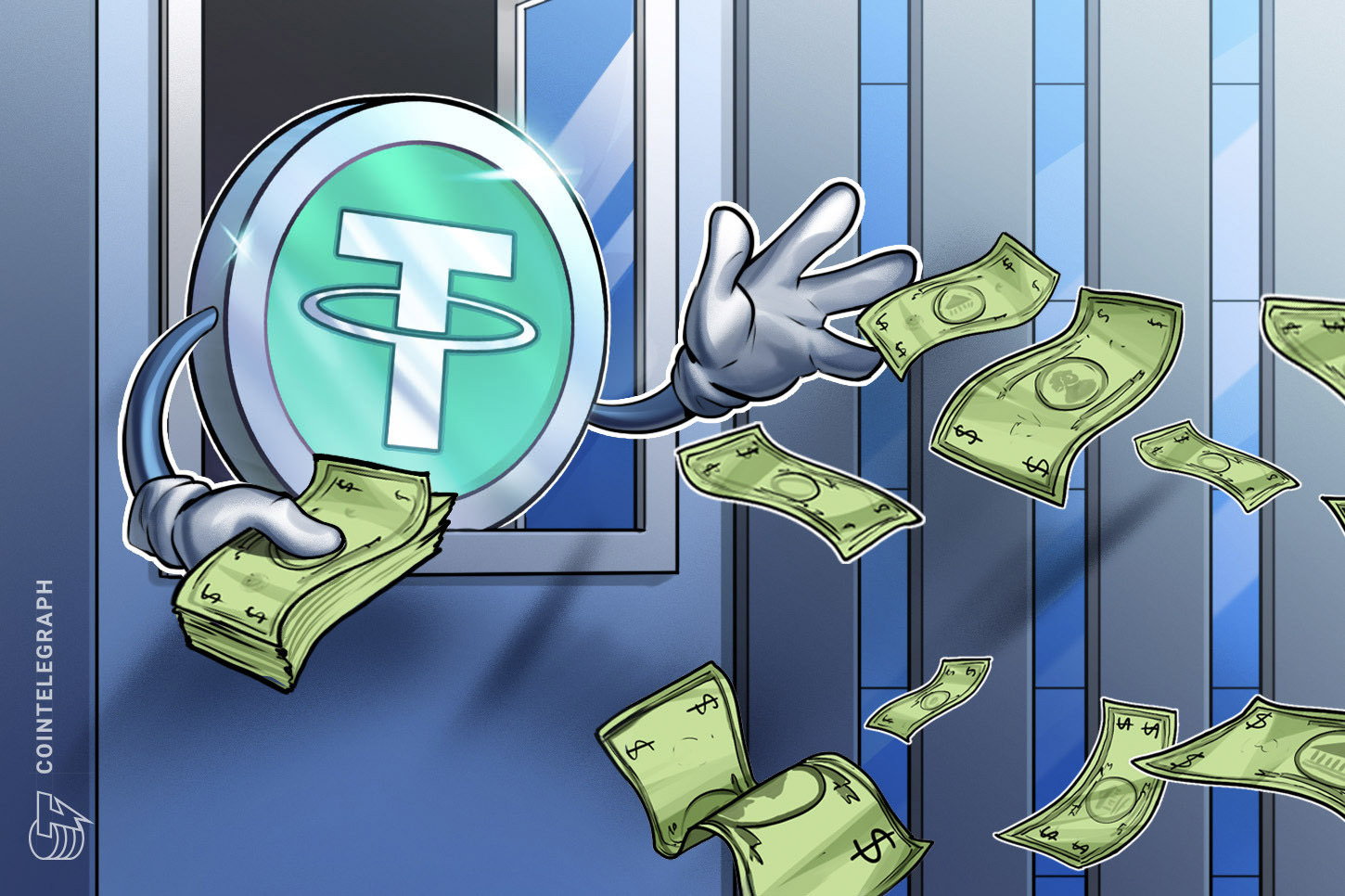
Tether Defies Bear Market: $1.5B Q2 Profit Signals Strategic Resilience and Stablecoin Dominance
In a crypto market often characterized by volatility and uncertainty, Tether (USDT) has once again demonstrated remarkable resilience, reporting a staggering $1.5 billion profit in the second quarter of 2023. This impressive financial feat, largely propelled by its strategic holdings in US Treasury bills, not only bolsters its reserve surplus to an unprecedented $4.11 billion but also underscores its enduring dominance in the stablecoin sector, even amidst a 'weaker stablecoin market' and 'continued pressure across the crypto sector.'
As a Senior Crypto Analyst, this report from Tether is not just a financial disclosure; it's a profound statement on the shifting dynamics within the digital asset landscape. It highlights a strategic pivot towards more traditional, yield-bearing assets, which has insulated the stablecoin giant from broader crypto downturns and positioned it for sustained profitability.
The Engine of Profit: US Treasury Bills and Rising Rates
The bedrock of Tether's Q2 profitability lies squarely in its robust portfolio of US Treasury bills. It's evident that Tether's treasury management strategy has been exceptionally astute, particularly in an environment of rising interest rates. Central banks globally, notably the Federal Reserve, have been tightening monetary policy to combat inflation, pushing up yields on short-term government debt. Tether, as the issuer of the largest stablecoin, holds a substantial portion of its reserves in these low-risk, highly liquid assets. The interest earned on these T-bills directly contributes to its profit margins, effectively turning what might seem like a conservative investment strategy into a significant revenue stream. This strategy minimizes exposure to volatile crypto assets while maximizing returns from traditional finance, a shrewd move in the current macroeconomic climate.
Unpacking the Reserve Surplus: A Pillar of Stability
Beyond mere profits, the growth of Tether's reserve surplus to $4.11 billion is perhaps the most significant takeaway from its Q2 report. This surplus represents the excess capital Tether holds above and beyond what is required to back its outstanding USDT tokens. In essence, it acts as a robust financial buffer, absorbing potential shocks and enhancing the stability and redeemability of USDT. For a stablecoin issuer, maintaining a substantial reserve is paramount for fostering trust and mitigating risks. This growing surplus not only provides an additional layer of security for USDT holders but also positions Tether with considerable financial flexibility for future growth, operational expenses, or even potential regulatory fines, should they arise. It sends a strong signal to the market that Tether is not merely solvent, but deeply liquid and financially robust.
USDT's Counter-Cyclical Growth: A Deeper Dive
One of the more intriguing aspects of Tether's Q2 performance is the continued increase in USDT supply, even as the broader stablecoin market has shown signs of contraction. This counter-cyclical growth suggests several underlying dynamics. Firstly, in times of heightened market volatility and regulatory uncertainty, traders and investors often flock to the most liquid and widely accepted stablecoin – a role USDT has historically filled. Its pervasive integration across global exchanges, particularly in emerging markets and regions with capital controls, makes it an indispensable tool for arbitrage, hedging, and day-to-day transactions. Secondly, the challenges faced by competing stablecoins, such as USDC's brief de-pegging event earlier in the year, might have inadvertently channeled liquidity towards USDT, reinforcing its market dominance. This demonstrates a 'flight to safety' within the stablecoin ecosystem itself, with USDT often being perceived as the default option due to its unparalleled liquidity and accessibility.
Navigating a Chilly Crypto Climate
The overall crypto sector continued to grapple with significant headwinds in Q2 2023, ranging from persistent regulatory scrutiny and enforcement actions to a cautious macroeconomic outlook. Despite these pervasive pressures, Tether's ability to not only maintain but significantly grow its profitability and reserves is a testament to its operational efficiency and strategic positioning. It indicates a certain decoupling from the speculative volatility of altcoins, instead demonstrating its utility as foundational infrastructure within the digital asset economy. Tether's business model, unlike many crypto projects, is not directly dependent on the upward price trajectory of speculative assets but rather on the volume and utility of its stablecoin, which thrives on market activity regardless of direction. This resilience positions Tether as a critical utility, almost akin to traditional financial plumbing, that remains vital even during broader market downturns.
Implications for Trust, Transparency, and Regulation
Tether's past has been marred by skepticism regarding its reserves and transparency. However, its consistent financial reporting, including these robust Q2 figures, represents a concerted effort to rebuild and reinforce trust. The publication of attestations and now clear profitability reports, particularly derived from highly liquid and secure assets like US Treasury bills, provides tangible evidence of its financial health. This level of transparency is crucial for an entity of Tether's systemic importance.
From a regulatory perspective, Tether's increasing reliance on traditional financial instruments for its profits could be a double-edged sword. While it aligns with a more conventional risk profile for a financial institution, it also places Tether firmly in the crosshairs of global financial regulators who are increasingly scrutinizing stablecoins as systemic entities. The ongoing debate around stablecoin regulation will undoubtedly intensify, and Tether's robust financial standing may either facilitate its integration into regulated frameworks or intensify calls for stricter oversight, particularly concerning its global reach and market share.
The Road Ahead: Sustaining Dominance
Looking forward, Tether's Q2 performance positions it strongly to maintain its leadership in the stablecoin market. The company’s ability to generate significant profit from its reserve assets provides it with substantial resources to innovate, expand its offerings, and potentially weather future market storms. However, the competitive landscape is evolving rapidly, with new entrants and existing players vying for market share. Regulatory clarity, or lack thereof, will also play a crucial role in shaping Tether's trajectory. Despite these challenges, the Q2 results unequivocally demonstrate Tether's strategic acumen and its entrenched position as a critical component of the global crypto infrastructure, suggesting its dominance is not merely coincidental but strategically earned.
Conclusion
Tether’s stellar Q2 2023 performance, marked by $1.5 billion in profit and a towering $4.11 billion reserve surplus, is a resounding statement of financial strength and strategic adaptability. By shrewdly leveraging traditional financial instruments like US Treasury bills, Tether has not only defied a challenging market but has solidified its foundational role in the crypto ecosystem. This quarter’s results reinforce its position as a resilient, profitable, and increasingly transparent entity, paving the way for continued dominance in the stablecoin arena and signaling a maturing approach to reserve management within the digital asset space.