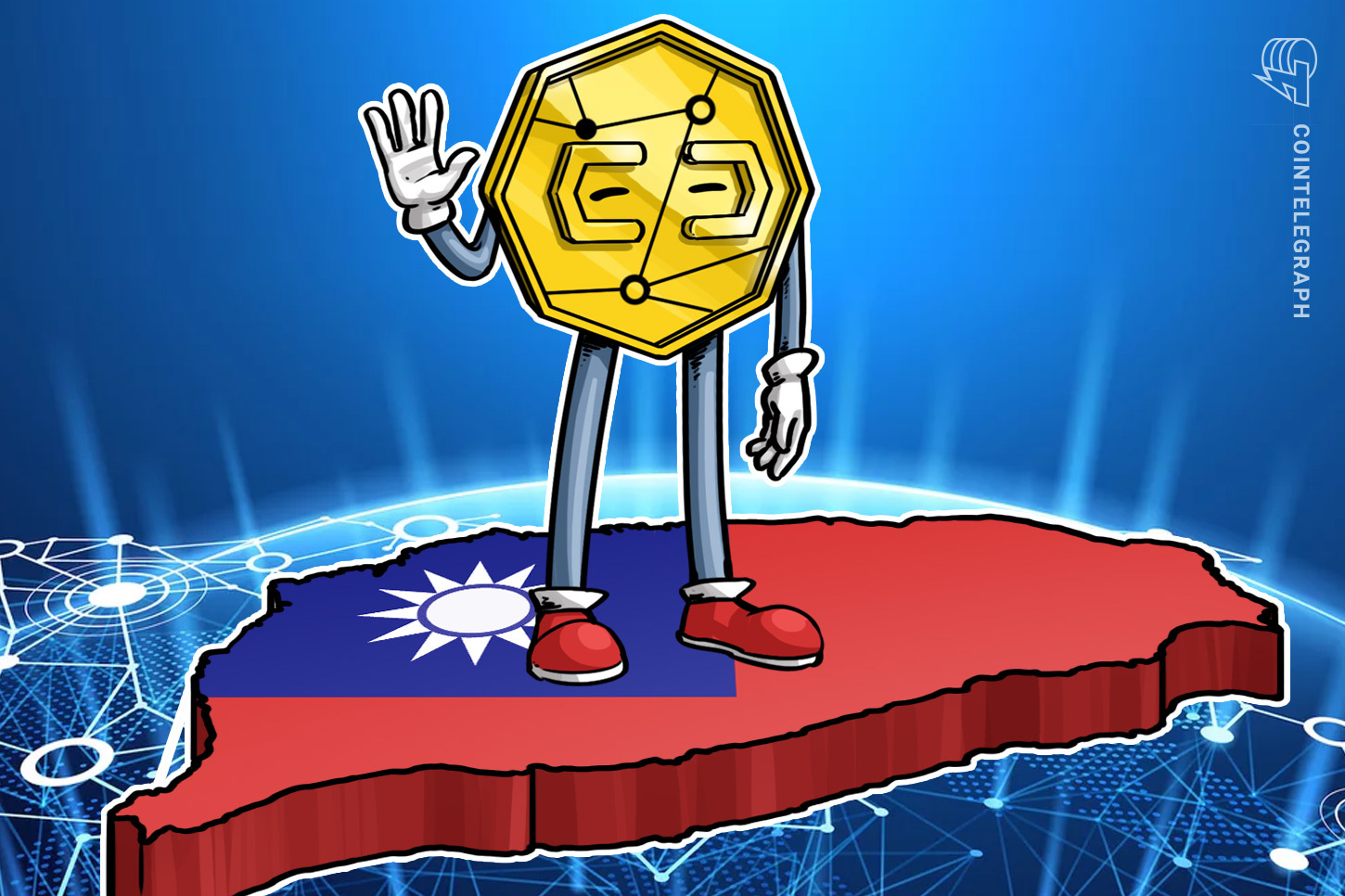
Taiwan's Bold Regulatory Leap: Charting a Course for Global Crypto Integration
Taiwan's legislative branch has taken a decisive step towards integrating itself into the burgeoning global digital asset economy by passing its first comprehensive set of crypto and stablecoin regulations. This landmark decision marks a significant shift, signaling Taiwan's commitment to fostering innovation within a regulated framework and positioning itself as a more attractive jurisdiction for blockchain businesses and investors. As a Senior Crypto Analyst, this development warrants close examination, not just for its immediate implications for Taiwan, but for its potential ripple effect across the Asian crypto landscape and the broader global market.
The Rationale Behind the Move
For years, the crypto industry has operated in a patchwork of regulations worldwide, often grappling with uncertainty that stifles growth and invites illicit activity. Taiwan’s proactive stance reflects a clear understanding that a robust regulatory environment is essential for instilling investor confidence, protecting consumers, and preventing financial crimes like money laundering and terrorist financing. The stated aim of "integrating the country with the global crypto market" suggests a strategic vision to attract foreign investment, talent, and innovation, mirroring similar ambitions seen in jurisdictions like Hong Kong, Singapore, and Japan. This move can be seen as Taiwan catching up, and potentially setting new benchmarks, in the regional race for crypto leadership.
Key Pillars of Likely Regulation
While the specific details of the passed regulations are still emerging, drawing parallels with other established frameworks, we can infer several key pillars these rules are likely to encompass:
Virtual Asset Service Provider (VASP) Licensing: It’s highly probable that exchanges, custodians, and other service providers dealing with virtual assets will be required to obtain licenses, subjecting them to rigorous oversight. This typically involves capital requirements, fit-and-proper tests for management, and robust operational procedures.
Anti-Money Laundering (AML) & Combating the Financing of Terrorism (CFT): Adherence to global standards set by bodies like the Financial Action Task Force (FATF) will be paramount. This means mandatory Know Your Customer (KYC) procedures, transaction monitoring, and suspicious activity reporting.
Stablecoin-Specific Rules: Given the explicit mention of stablecoins, we can anticipate stringent requirements around reserve backing, independent audits/attestations of reserves, and clear redemption mechanisms. The collapse of algorithmic stablecoins like Terra/Luna highlighted the systemic risks, pushing regulators worldwide to demand full collateralization and transparency for fiat-backed stablecoins. This is critical for maintaining financial stability.
Consumer Protection: Measures to safeguard retail investors are almost certainly included. This could involve clear disclosure requirements, mechanisms for dispute resolution, and potentially restrictions on certain high-risk products or leveraged trading for retail participants.
Regulatory Oversight Body: A specific government agency, likely Taiwan’s Financial Supervisory Commission (FSC) or a newly designated body, will be tasked with enforcing these rules, conducting inspections, and issuing guidance.
Anticipated Impact on Taiwan's Crypto Ecosystem
This regulatory clarity is a double-edged sword. On one hand, it significantly de-risks the crypto sector within Taiwan, making it more appealing for institutional investors, traditional financial institutions, and established global crypto firms to operate or expand there. This could lead to a surge in investment, job creation, and the development of innovative blockchain applications tailored to a regulated environment. Local startups will also benefit from a clearer roadmap, potentially fostering a stronger domestic industry.
However, the increased compliance burden could pose challenges for smaller, nascent projects or those unable to meet stringent capital requirements. It’s crucial that the regulations are implemented with a nuanced approach that balances robust oversight with fostering innovation, avoiding an overly prohibitive framework that could push legitimate businesses offshore. The success of this integration will heavily depend on the flexibility and pragmatism of the implementing authorities.
Taiwan's Position in the Global Crypto Landscape
Taiwan's move sends a strong signal regionally and globally. In Asia, where jurisdictions like Hong Kong are aggressively positioning themselves as crypto hubs and Singapore has long been a frontrunner, Taiwan’s clear stance adds another significant player to the fold. This competition for crypto talent and capital is ultimately beneficial, as it encourages robust, yet innovation-friendly, regulatory models.
Globally, Taiwan’s adoption of these rules contributes to the growing narrative that crypto is not merely a fringe asset class but a legitimate, albeit nascent, part of the global financial system requiring thoughtful governance. It reinforces the trend towards mainstream acceptance and institutionalization, particularly for stablecoins which are increasingly seen as a bridge between traditional finance and the digital economy.
The Significance of Stablecoin Regulation
The specific inclusion of stablecoin regulations is particularly noteworthy. Stablecoins, due to their potential to scale payment systems and their inherent link to fiat currencies, often draw the most scrutiny from central banks and financial regulators. By laying down clear rules for stablecoins, Taiwan is addressing potential systemic risks, ensuring market integrity, and perhaps even paving the way for their broader adoption in commerce and cross-border transactions. This also positions Taiwan to potentially participate in future global initiatives related to digital currencies.
Conclusion: A New Chapter for Taiwan and Crypto
Taiwan’s passing of its inaugural crypto and stablecoin regulations marks a pivotal moment. It represents a mature and forward-thinking approach to an asset class that has often been met with skepticism or outright bans. By embracing regulation, Taiwan is not only safeguarding its financial system and protecting its citizens but also strategically positioning itself to harness the immense potential of the digital economy. The world will now watch closely as Taiwan navigates the implementation phase, with its success potentially serving as a blueprint for other nations seeking to integrate digital assets responsibly into their national economic fabric. This move signifies not just new rules, but a new chapter in Taiwan's economic evolution and its growing influence in the global crypto narrative.