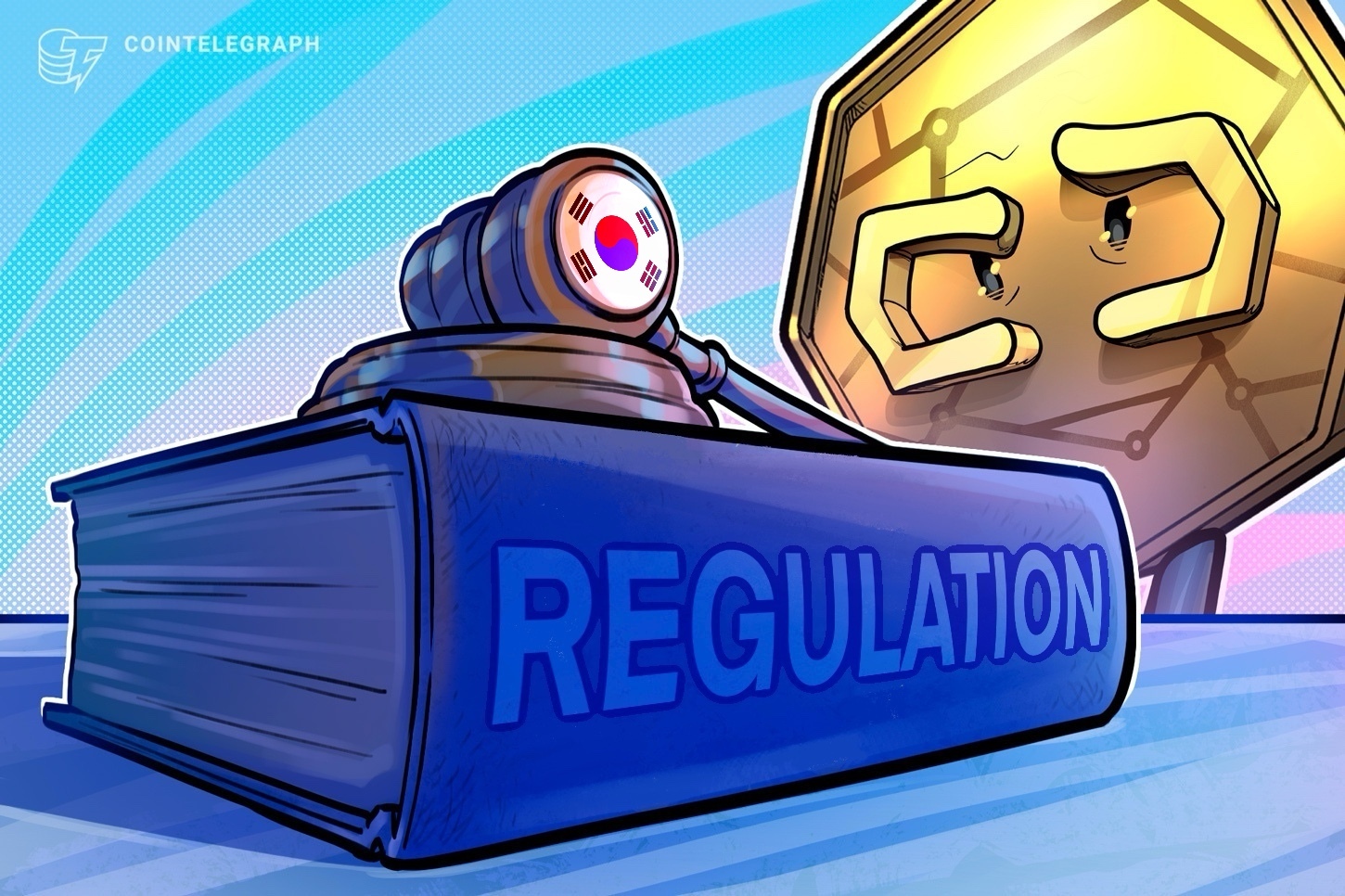
South Korea's Regulatory Leap: FIU's Expanded Powers Over Unregistered Crypto Firms
South Korea, a nation at the forefront of technological adoption and with a highly engaged crypto investor base, is poised for a significant regulatory shift. Recent legislative proposals aim to dramatically expand the powers of the Financial Intelligence Unit (FIU) to scrutinize and prosecute unregistered cryptocurrency firms. This move signals a resolute intent to bolster investor protection and combat illicit activities within its digital asset landscape, potentially reshaping the competitive dynamics and operational framework for all crypto entities.
The Current Regulatory Landscape and Proposed Powers
Currently, South Korea maintains a stringent regulatory environment for registered crypto exchanges and virtual asset service providers (VASPs), mandating strict Anti-Money Laundering (AML) and Know Your Customer (KYC) compliance. However, a significant gap exists concerning entities operating outside this perimeter. Unregistered firms, often offshore or less transparent, have largely evaded direct oversight, raising concerns about consumer risks, market manipulation, and financial crimes.
The proposed legislative amendment seeks to close this loophole. Under the new framework, the FIU would be granted explicit authority to investigate suspected violations by these unregistered crypto operators. Critically, it would empower the FIU to directly refer these firms to law enforcement agencies for potential prosecution, streamlining enforcement against non-compliant entities. This move eliminates potential bureaucratic hurdles, allowing for quicker and more decisive action.
Why Now? Global Trends and Domestic Imperatives
This legislative push aligns with a growing global trend towards tighter cryptocurrency regulation, largely driven by the Financial Action Task Force (FATF) and its recommendations for virtual asset service providers. Nations worldwide are grappling with effective oversight of this rapidly evolving and often borderless industry. South Korea, having previously experienced high-profile scandals and investor losses related to unregistered platforms, has a strong domestic imperative to act.
The government's focus is multi-faceted: to protect retail investors from scams and fraudulent schemes, to prevent the use of crypto for money laundering and terrorist financing, and to create a more level playing field for compliant, registered firms that adhere to strict operational and reporting standards. By granting the FIU expanded powers, South Korea is reinforcing its commitment to these objectives, ensuring its financial system remains robust against emerging digital threats.
Implications for the South Korean Crypto Market
Enhanced Investor Protection and Market Integrity
For South Korean investors, this proposal offers greater security. The FIU's ability to swiftly act against suspicious unregistered firms reduces exposure to high-risk platforms lacking robust security, transparency, or dispute resolution. This could foster greater trust in the overall digital asset ecosystem, potentially drawing in more mainstream participation as regulatory clarity strengthens and high-risk entities are purged from the market.
A Level Playing Field for Registered VASPs
Registered Virtual Asset Service Providers (VASPs) in South Korea have long borne significant compliance costs and operational hurdles. This new legislation could be a welcome development, leveling the playing field by cracking down on unregistered competitors that often operate with lower overheads due to non-compliance. This might encourage more firms to register, rather than bypassing regulations, fostering a fairer and more compliant market environment.
Challenges and Potential for Innovation Stifling
While the benefits are clear, potential challenges exist. The broad scope of "unregistered crypto firms" could encompass innovative projects, decentralized applications (dApps), or even individuals if not carefully defined. There's a delicate balance between robust regulation and fostering innovation. Overly aggressive enforcement or an overly broad definition could inadvertently stifle nascent Web3 developments or drive legitimate innovators offshore, potentially hindering South Korea's long-term competitiveness in the global digital asset space.
Furthermore, increased investigatory powers could lead to definitional debates: What exactly constitutes an "operator" warranting FIU intervention? How will the FIU distinguish between truly malicious actors and those simply navigating complex, evolving regulations? Clear guidelines, precise definitions, and judicious application will be crucial to prevent unintended consequences and ensure equitable enforcement.
Operational Risks and Compliance Burden
For any entity involved in providing crypto-related services in South Korea, the message is clear: compliance is paramount. Firms that have operated in a gray area must seriously consider their registration status and ensure adherence to South Korean financial regulations. Failure to do so could result in investigations, legal referrals, significant penalties, and reputational damage. This will likely lead to increased legal and compliance spending across the industry, particularly for those looking to engage with the South Korean market, prompting a necessary re-evaluation of business models.
The Broader Global Context
South Korea’s move mirrors similar efforts in other major jurisdictions. The European Union's Markets in Crypto-Assets (MiCA) regulation aims to create a comprehensive regulatory framework across all member states, bringing most crypto-asset services under a licensing regime. In the United States, regulators like the SEC have aggressively pursued unregistered crypto offerings and platforms, asserting jurisdiction over perceived securities. This global convergence suggests that the era of largely unregulated crypto operations is rapidly coming to an end, with national authorities asserting greater control and demanding accountability.
Analyst's Outlook
As a Senior Crypto Analyst, I view this proposal as a critical inflection point for the South Korean crypto market. While the immediate effect might be a period of uncertainty and potentially a reduction in the number of active crypto firms, the long-term outcome is likely to be a more mature, secure, and institutionally attractive ecosystem. The strengthened FIU will undoubtedly enhance South Korea's reputation as a jurisdiction committed to financial integrity and investor protection, potentially drawing in more sophisticated capital.
Successful implementation will depend heavily on the nuances of the final legislation and the discretion with which the FIU exercises its new powers. Clear guidance, robust appeals processes, and a willingness to engage with industry stakeholders will be vital to ensure that regulation fosters, rather than hinders, responsible innovation. Firms operating in this space should proactively review their compliance frameworks and seek legal counsel to navigate these evolving regulatory waters. The days of operating in the shadows in South Korea's crypto market are rapidly drawing to a close.
Conclusion
The proposed expansion of the South Korean FIU's powers over unregistered crypto firms marks a pivotal moment. It underscores a global trend towards stricter regulatory oversight and aims to safeguard investors while fostering a more transparent and compliant digital asset environment. While challenges remain in balancing innovation with enforcement, this legislative initiative firmly plants South Korea among the leading nations striving for a more regulated and secure crypto future, setting a precedent for other jurisdictions to follow.