Sony Bank's OCC Nod for Stablecoins: A Game-Changer for Digital Assets and TradFi Convergence
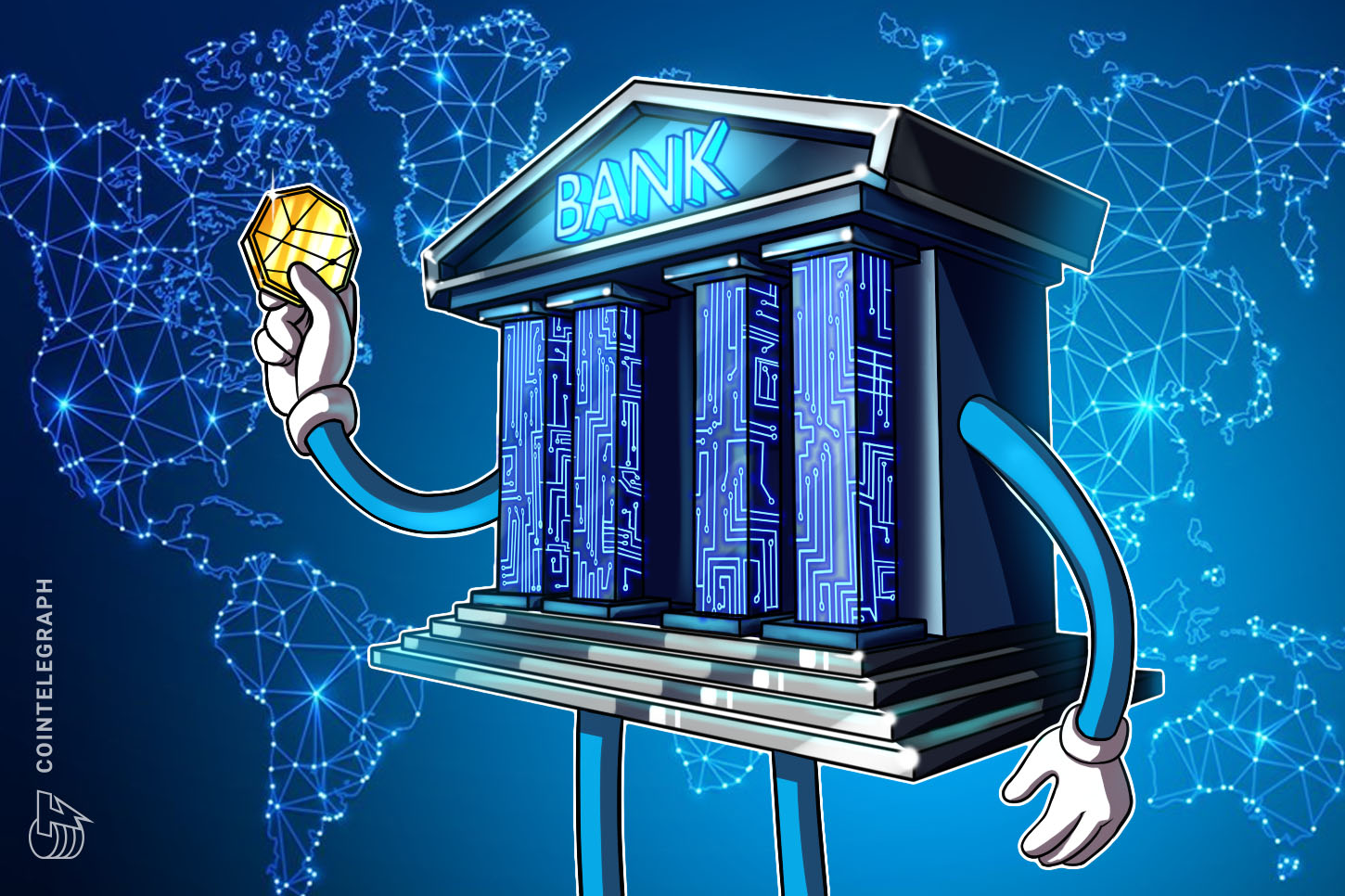
In a move poised to significantly reshape the landscape where traditional finance (TradFi) intersects with the burgeoning digital asset economy, Sony Bank has secured preliminary approval from the Office of the Comptroller of the Currency (OCC) to establish a stablecoin issuance business within the United States. With an initial capital injection of $40 million, this development is far more than just another stablecoin announcement; it marks a profound moment of legitimization and institutional adoption, signaling a deeper integration of blockchain technology into the regulated financial system.
The Significance of OCC Approval: A Regulatory Stamp of Trust
The Office of the Comptroller of the Currency is the primary regulator for national banks and federal savings associations in the U.S. Its preliminary approval for Sony Bank is not merely a formality; it's a robust regulatory endorsement that carries immense weight. For stablecoins, which have often operated in a gray area of regulation, an OCC green light provides an unparalleled level of legitimacy and regulatory certainty. This move effectively brings Sony Bank's stablecoin operations within the stringent oversight of a federal banking regulator, addressing concerns around reserves, transparency, and consumer protection that have historically plagued parts of the stablecoin market. For potential users and institutional clients, this regulatory stamp of approval instills confidence, differentiating Sony Bank's offering from many existing stablecoins that lack such direct and explicit banking supervision.
Sony Bank's Strategic Foray: Beyond Payments, Towards Ecosystem Integration
Why would a globally recognized financial institution like Sony Bank venture into the complex world of stablecoins? The motivations are likely multi-faceted and strategic. Firstly, stablecoins offer a clear path to significantly improve the efficiency of cross-border payments, reducing costs and settlement times compared to legacy systems. For an international conglomerate like Sony, with diverse financial and entertainment arms, the ability to move value swiftly and economically across borders is a compelling proposition.
Secondly, this move represents a proactive step into the future of finance, embracing the undeniable shift towards digital assets and tokenization. With $40 million in starting capital, Sony Bank is demonstrating a serious commitment to building a robust and compliant stablecoin infrastructure. Furthermore, the ‘Sony’ brand itself is a powerful asset. Imagine a Sony-backed stablecoin not just for banking services, but potentially integrated into its vast entertainment ecosystem – PlayStation credits, digital content purchases, or even loyalty programs. This unique position could enable Sony Bank to bridge the gap between niche crypto users and the broader consumer base, fostering mass adoption by leveraging existing brand trust and ecosystem utility.
Reshaping the Stablecoin Landscape and Fostering Competition
The stablecoin market is currently dominated by giants like Tether (USDT) and Circle (USDC). While these players have established significant market share, Sony Bank's entry introduces a new dynamic. An OCC-regulated, bank-issued stablecoin offers a distinct advantage, particularly for institutional clients and corporations that prioritize regulatory compliance and robust oversight. It's likely that Sony Bank's stablecoin will be fully backed by fiat reserves (e.g., USD) held in segregated accounts and subjected to regular audits, providing a level of transparency and trust that can compete effectively for market segments requiring the highest regulatory standards.
This development could spur further competition and innovation within the stablecoin space, potentially leading to a more diverse ecosystem of stablecoins tailored for different use cases and risk appetites. It also validates the concept of bank-issued stablecoins, which many central banks and financial institutions have been exploring, effectively setting a precedent for others to follow.
Bridging TradFi and Crypto: A New Era of Convergence
Sony Bank's move symbolizes a crucial phase in the convergence of traditional finance and the crypto ecosystem. For years, the two realms have existed largely in parallel, often with an air of skepticism from TradFi towards decentralized technologies. However, the increasing regulatory clarity around digital assets, coupled with the undeniable efficiencies offered by blockchain, is prompting established financial players to actively engage.
This approval underscores the growing recognition among traditional banks that blockchain technology is not just for speculative cryptocurrencies but is a foundational layer for future financial infrastructure. It could pave the way for more traditional banks to explore issuing their own stablecoins, tokenizing other real-world assets, and integrating digital asset services directly into their offerings, blurring the lines between what was once considered 'legacy' and 'cutting-edge' finance.
Challenges and the Path Forward
While the implications are overwhelmingly positive, challenges remain. The regulatory environment for stablecoins in the U.S. is still evolving, with comprehensive federal legislation yet to be passed. Sony Bank will need to navigate this dynamic landscape while ensuring robust compliance and security protocols. Furthermore, achieving widespread adoption beyond specific institutional use cases will require significant investment in user experience, interoperability, and education.
Despite these hurdles, Sony Bank’s OCC approval represents a powerful affirmation of stablecoins' maturing role in the global financial system. It heralds a new era where regulated, institutional-grade digital currencies become an integral part of traditional banking, driving innovation, enhancing efficiency, and ultimately, accelerating the mainstream adoption of digital assets. As senior crypto analysts, we view this as a pivotal moment – not just for Sony Bank, but for the entire financial industry, underscoring the irreversible march towards a tokenized future.