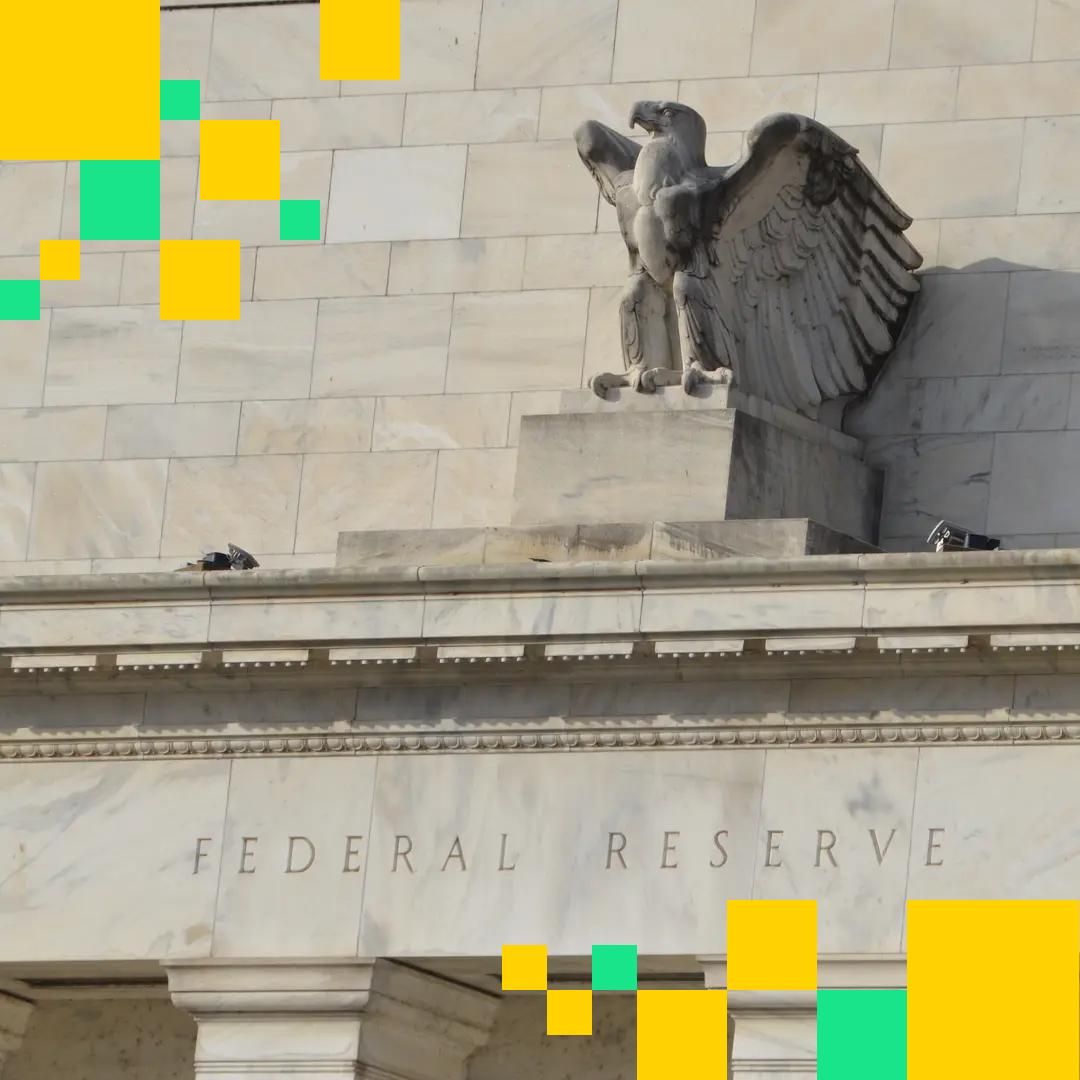
September Fed Rate Hike Fears: Overblown Narratives vs. Real Probabilities – What it Means for Crypto
As a Senior Crypto Analyst, navigating the intricate dance between macroeconomic indicators and digital asset performance is paramount. Recent market chatter has been heavily fixated on the Federal Reserve's upcoming September meeting, with a palpable undercurrent of anxiety regarding another potential interest rate hike. However, a closer look at the actual probabilities, particularly those derived from the CME FedWatch Tool, reveals a narrative that might be significantly overblown. Despite the persistent hawkish rhetoric from some corners, the odds of a rate hike in September currently stand at a modest 58%, a stark contrast to the near-certainty often portrayed in broader market discussions. This disparity between perception and probability holds critical implications for the cryptocurrency market.
The prevailing sentiment often feels like a knee-jerk reaction to any semblance of hawkish commentary, quickly translating into bearish pressure on risk assets, including cryptocurrencies. Yet, the data suggests that market participants might be projecting their worst fears rather than objectively assessing the landscape. A 58% probability means that while a hike is slightly more likely than not, there's still a 42% chance of a pause – a figure far too significant to be casually dismissed as a negligible possibility. This isn't a 90% certainty, which would indeed warrant widespread alarm; it’s a coin toss with a slight tilt.
Dissecting the Odds: Why 58% Matters
Understanding the Fed's decision-making process is crucial. The Federal Open Market Committee (FOMC) operates on a dual mandate: maximum employment and price stability. While inflation has shown signs of stubbornness, it has also moderated significantly from its peak. Recent economic data, including cooling job growth numbers, albeit still robust, and a continued albeit slow decline in core inflation metrics, offer the Fed some breathing room. Furthermore, global economic uncertainties, particularly concerning China's economy, provide an additional incentive for the Fed to exercise caution. An aggressive tightening stance risks tipping the U.S. economy into a recession, an outcome the central bank is keen to avoid, especially after an unprecedented series of hikes.
The market's tendency to extrapolate and amplify hawkish signals, while sometimes justified, appears to be missing the nuances in the current environment. The Fed has repeatedly emphasized a data-dependent approach. If the incoming data between now and the September meeting continues to show signs of disinflation and a gradual cooling of the labor market, the argument for a pause becomes increasingly compelling. Moreover, the cumulative effect of previous rate hikes is still working its way through the economy, and the Fed is likely evaluating the full impact before making another move. This 'wait-and-see' approach, rather than continuous aggressive tightening, is reflected in the sub-60% probability.
Warsh's Hawkish Stance: A Counterpoint, Not a Catalyst
The recent hawkish speech by Kevin Warsh, a former Fed governor, certainly garnered attention and likely contributed to some of the elevated rate hike fears. However, it's important to contextualize such statements. While Warsh is an influential voice, his views do not necessarily represent the current consensus within the FOMC. The Committee comprises a diverse group of economists and policymakers, each bringing their own perspective, but ultimately acting on a collective assessment of current and projected economic conditions. A single hawkish speech, no matter how prominent the speaker, rarely shifts the market probabilities unilaterally, especially when faced with conflicting economic data or a dovish lean from other prominent Fed officials.
The market's ability to filter out individual outlier opinions and focus on the broader data stream and consensus is a sign of maturity. Investors and analysts are increasingly looking beyond headlines to the underlying metrics and the Fed's own stated intentions. While Warsh's comments serve as a reminder of the differing viewpoints within economic policy circles, they haven't been strong enough to push the September hike probability towards the 90% mark, which would indicate a widespread belief in imminent tightening.
Implications for the Crypto Market: A Senior Analyst's View
For the cryptocurrency market, the divergence between market perception and actual rate hike probabilities is a significant factor. Historically, periods of aggressive monetary tightening have been detrimental to risk assets like cryptocurrencies. Higher interest rates increase the cost of capital, make traditional safe-haven assets more attractive, and reduce liquidity in the broader financial system, all of which tend to put downward pressure on digital asset valuations.
Conversely, a 'no hike' scenario or, even better, a clear signal of a sustained pause in tightening, tends to be a bullish catalyst for crypto. A stable or declining interest rate environment fosters a 'risk-on' appetite, encouraging investors to seek higher returns in speculative and growth-oriented assets. This could lead to renewed institutional interest, increased capital inflows into the digital asset ecosystem, and potentially fuel rallies across major cryptocurrencies like Bitcoin and Ethereum, as well as higher-beta altcoins. The narrative of crypto as a long-term growth asset gains traction when the specter of tightening recedes.
A sustained pause would also alleviate pressure on the U.S. dollar, which often trades inversely to cryptocurrency prices. A weaker dollar typically makes dollar-denominated assets, including cryptocurrencies, more attractive to international investors. Furthermore, increased liquidity in the financial system could find its way into DeFi protocols and other emerging sectors within the crypto space, driving innovation and adoption.
The Broader Liquidity Picture and Digital Assets
Beyond direct rate implications, the broader liquidity environment is crucial for crypto. A Fed pause means that the quantitative tightening (QT) program, while still ongoing, won't be exacerbated by further rate hikes. This suggests a more stable, albeit still tightening, liquidity backdrop. In such an environment, internally driven crypto catalysts – such as the upcoming Bitcoin halving, the potential approval of spot Bitcoin ETFs, and continued advancements in blockchain technology and scaling solutions – can have a more pronounced positive impact without being constantly overshadowed by macro headwinds.
For crypto investors, this period calls for strategic positioning. While vigilance regarding macroeconomic data remains essential, the current probabilities suggest that excessive fear regarding a September rate hike might be unwarranted. Instead, investors should focus on projects with strong fundamentals, clear utility, and robust development roadmaps. The potential for a sustained period of macro stability could allow the crypto market to better reflect its intrinsic value and innovation, rather than being solely dictated by central bank policy. While the Fed's journey is far from over, the immediate threat seems less imposing than many fear, offering a potential window for digital assets to regain momentum.
Navigating the Macro Crosscurrents: A Forward Look for Crypto Investors
As we head into September, it’s imperative for crypto investors to differentiate between market noise and actionable signals. The 58% probability for a rate hike indicates a significant chance of a pause, which would be a net positive for digital assets. This doesn't mean ignoring macro risks altogether, but rather adopting a more nuanced perspective than simply reacting to every hawkish utterance. Focus on the aggregate data, the Fed's stated forward guidance, and the actual probabilities as tracked by reliable tools.
The coming weeks will likely see continued volatility as markets digest new economic reports. However, for those with a long-term conviction in the digital asset space, a period of reduced rate hike pressure could provide an opportune moment to accumulate or rebalance portfolios. The crypto market’s resilience and innovation continue to progress regardless of short-term macro fluctuations, but a more stable rate environment certainly provides a more fertile ground for growth. Keeping a cool head and analyzing the true probabilities, rather than succumbing to exaggerated fears, will be key for navigating this period successfully.