The Intersection of Politics, Profits, and Digital Assets
The burgeoning world of cryptocurrency has long presented a fascinating, if sometimes chaotic, frontier for finance and technology. However, when it intersects with the realm of political power and public office, the stakes amplify significantly. Recent developments, particularly surrounding former President Donald Trump's disclosure of substantial crypto-related earnings, have ignited a fierce debate, culminating in Senator Kirsten Gillibrand's bold proposal: a ban on elected officials and candidates from launching meme coins.
This move, born from a growing concern over conflicts of interest and potential market manipulation, signals a critical juncture in how legislative bodies view and regulate digital assets, especially those tied to public figures. As Senior Crypto Analysts, it is imperative to dissect the nuances of this proposal, its potential implications, and the broader challenges it presents to both the crypto industry and democratic governance.
Trump's Crypto Ventures and the Rise of Political Meme Coins
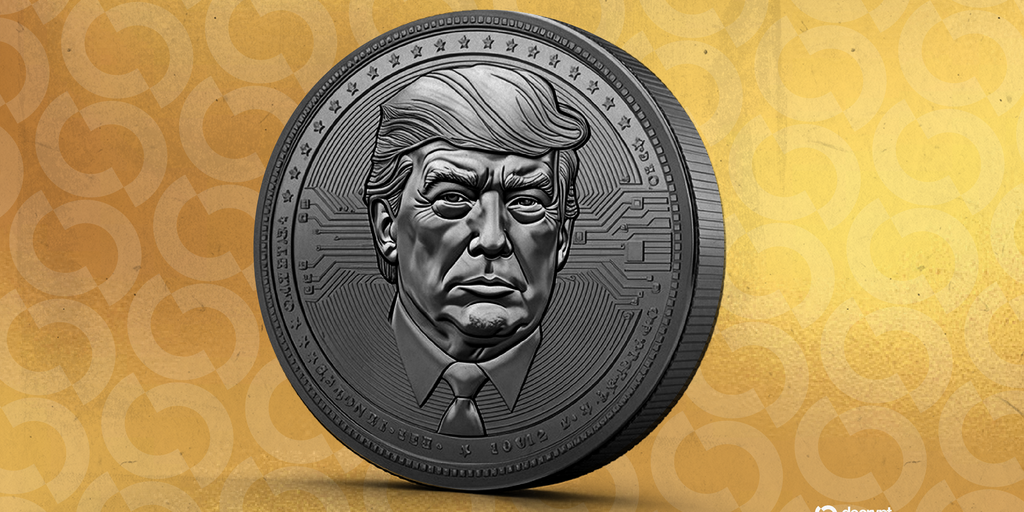
The catalyst for Senator Gillibrand's intervention can be traced to Donald Trump's recent financial disclosures, which revealed significant earnings from crypto ventures. While the prompt states "over $1 billion in crypto-related earnings," public filings have specifically indicated substantial income from the TRUMP (MAGA) token, a politically-themed meme coin. This token, launched by a third party but subsequently embraced and implicitly promoted by Trump, saw its value soar, generating considerable profit for the former President.
Meme coins, by their very nature, are highly speculative digital assets often characterized by their viral marketing, community-driven nature, and association with internet memes, personalities, or political figures. Their value is frequently decoupled from underlying utility or traditional fundamentals, instead driven by hype, sentiment, and the influence of key promoters. The TRUMP token is a prime example, leveraging the ex-President's immense following and political brand to create a volatile, yet lucrative, asset class for some.
Senator Gillibrand's Call for a Ban: Ethics vs. Innovation
Senator Gillibrand's proposal is a direct response to the perceived ethical quagmire presented by politicians profiting from such assets. Her core argument revolves around the potential for conflicts of interest, undue influence, and the exploitation of a public figure's platform for personal financial gain in an unregulated space. The essence of her concern is that when an elected official, or someone aspiring to public office, promotes or profits from a meme coin, they are effectively leveraging their position and public trust for speculative financial benefit, potentially at the expense of their constituents.
From an ethical standpoint, the argument holds significant weight. Public officials are expected to uphold the highest standards of integrity, ensuring their actions are for the public good, not personal enrichment. The highly volatile and often manipulated nature of meme coins, coupled with the power dynamics inherent in political endorsements, creates a fertile ground for market abuse and investor exploitation. A ban, in this view, is a necessary safeguard to protect vulnerable investors and maintain the sanctity of public office.
The Crypto Community's Perspective: Navigating Complex Terrain
As crypto analysts, we must consider the multifaceted implications of such a ban. While the ethical concerns are clear, the practicalities and broader philosophical implications warrant careful examination.
Arguments in Favor of the Ban:
- Investor Protection: Prevents public figures from initiating or endorsing schemes that could be perceived as pump-and-dumps, protecting less-informed investors from significant losses.
- Maintaining Public Trust: Reinforces ethical boundaries for public officials, ensuring their focus remains on public service rather than speculative financial ventures.
- Mitigating Conflicts of Interest: Avoids situations where an official's policy decisions or public statements could directly impact the value of a digital asset from which they personally profit.
- Curbing Market Manipulation: Acknowledges the immense power of public figures to sway market sentiment, limiting their ability to artificially inflate asset values.
Challenges and Counterarguments:
- Free Speech Concerns: Opponents might argue that a ban infringes upon an individual's right to engage in legitimate economic activity or even free expression, regardless of their public status. Where does promotion end and legitimate expression begin?
- Enforceability and Definition: How would such a ban be enforced? What constitutes "launching" or "promoting" a meme coin? Would it cover indirect endorsements or merely benefiting from a third-party launch? Defining "meme coin" itself can be problematic in the rapidly evolving crypto landscape.
- Precedent for Broader Regulation: Could this lead to an overreach, setting a precedent for banning public officials from participating in other asset classes or business ventures deemed "speculative"?
- Innovation vs. Regulation: While meme coins are often seen as less serious, some argue that excessive regulation could stifle broader innovation in the digital asset space or discourage public figures from engaging with emerging technologies.
- Disclosure vs. Prohibition: Some contend that enhanced disclosure requirements might be a more appropriate and less restrictive solution than an outright ban, allowing for transparency without limiting participation.
Broader Implications for Crypto Regulation
Senator Gillibrand's proposal is more than just a reaction to a specific event; it reflects a growing legislative push to bring greater oversight to the crypto market. It highlights the urgent need for comprehensive regulatory frameworks that address the unique challenges posed by digital assets, especially when intertwined with political influence. This debate could pave the way for broader discussions on:
- Rules for politicians' crypto holdings: Beyond meme coins, should there be stricter disclosure, divestment, or blind trust requirements for all crypto assets held by public officials?
- Defining and regulating new asset classes: The Gillibrand proposal forces legislators to grapple with what constitutes a "meme coin" versus other digital assets, pushing for clearer classifications.
- Global regulatory alignment: As crypto is inherently global, any national ban or regulation will inevitably face challenges of cross-border enforcement and consistency.
Conclusion: A Necessary Conversation
Senator Gillibrand's call to ban elected officials from launching meme coins marks a pivotal moment in the ongoing saga of crypto regulation and political ethics. While the proposal aims to address very real concerns about conflicts of interest and investor protection, its implementation would undoubtedly face significant legal, practical, and philosophical hurdles. As the crypto ecosystem continues to mature and intertwine with mainstream society, striking the right balance between fostering innovation, protecting consumers, and upholding the integrity of public office remains a paramount challenge. This debate is not merely about meme coins; it's about defining the ethical boundaries of power in the digital age and setting a precedent for future regulatory endeavors in the evolving world of decentralized finance.