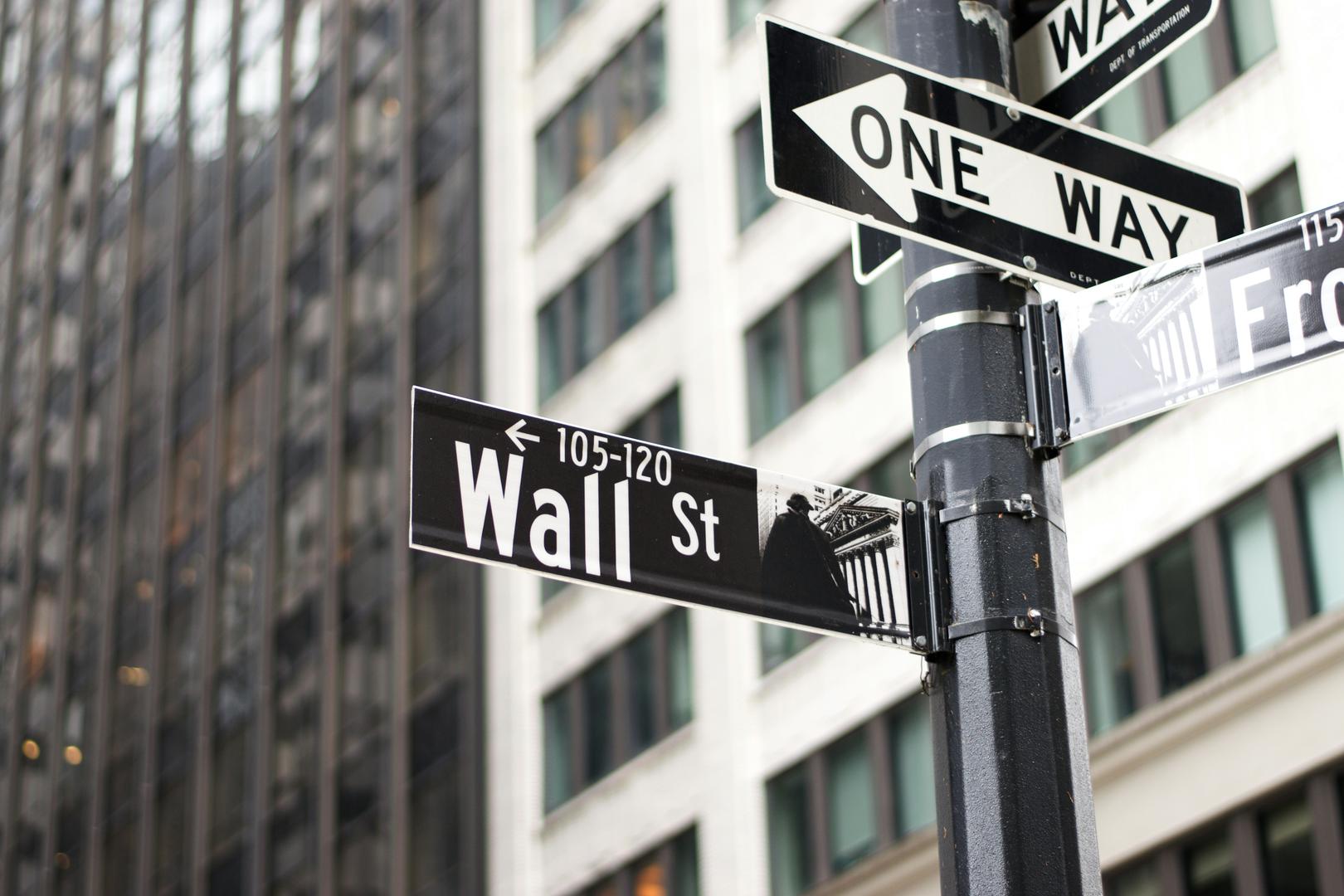
SEC Delay Puts Brakes on Tokenization Momentum, Jolting Crypto's Wall Street Push
The burgeoning ambition to tokenize traditional financial assets, a movement heralded as the next frontier for digital finance, recently encountered a significant 'speed bump.' News of a regulatory delay from the U.S. Securities and Exchange Commission (SEC) sent ripples through the market on Friday, causing tokenization-focused stocks and associated crypto entities, including industry giants like Coinbase, Bullish, and Circle, to slip. This setback underscores the persistent friction between rapid innovation in the crypto space and the cautious, often protracted, approach of traditional financial regulators.
For years, the promise of tokenization — converting real-world assets into digital tokens on a blockchain — has captivated investors and innovators alike. It offers the allure of enhanced liquidity, fractional ownership, greater transparency, and streamlined settlement processes for everything from real estate and private equity to fine art and corporate bonds. The vision of a truly digital Wall Street, where assets are traded with blockchain's efficiency and immutability, feels tantalizingly close. However, the latest SEC delay serves as a stark reminder that the journey from vision to reality is fraught with regulatory hurdles.
The Regulatory Roadblock: Why an SEC Delay Matters
While the specifics of the SEC's delayed action were not immediately detailed, any deferral from the primary U.S. securities regulator in the context of tokenized assets is significant. The SEC operates under a mandate to protect investors, maintain fair, orderly, and efficient markets, and facilitate capital formation. For novel financial instruments like tokenized securities, this often translates into an exhaustive review process, characterized by requests for more information, extended comment periods, and, frequently, delays.
From a Senior Crypto Analyst perspective, this isn't necessarily a 'no,' but it's certainly not an enthusiastic 'yes.' It signals that the SEC is grappling with the complexities inherent in integrating blockchain technology with existing securities laws. Key concerns likely revolve around custody arrangements for digital assets, market manipulation risks in potentially less liquid tokenized markets, interoperability with traditional financial infrastructure, and ensuring robust anti-money laundering (AML) and know-your-customer (KYC) compliance. Each of these areas presents unique challenges when applied to distributed ledger technology, demanding careful consideration and robust frameworks that may take time to develop or approve.
Impact on Industry Leaders: Coinbase, Bullish, and Circle
The immediate market reaction, with names like Coinbase, Bullish, and Circle experiencing downturns, highlights their critical exposure to the regulatory environment surrounding tokenization. Each of these entities plays a pivotal role in the broader crypto ecosystem and holds significant stakes in the maturation of digital assets:
Coinbase: As a publicly traded crypto exchange and custodian, Coinbase has made significant inroads into institutional finance. Its strategy involves attracting traditional financial institutions seeking exposure to digital assets and potentially offering services for tokenized securities. Any delay in regulatory clarity directly impacts their ability to expand these offerings, potentially stalling revenue growth from new product lines and dampening investor confidence in their long-term institutional strategy.
Circle: Best known for its USDC stablecoin, Circle is deeply embedded in the digital payments and settlement infrastructure. Their vision extends beyond stablecoins to facilitating the issuance and trading of various tokenized assets. Regulatory delays create uncertainty around the legal status and operational parameters for such ventures, potentially slowing down their expansion into broader tokenization services and hindering their ability to leverage USDC as the foundational layer for a tokenized economy.
Bullish: An institutional-grade cryptocurrency exchange, Bullish positions itself as a compliant and regulated platform for trading digital assets. Backed by Block.one, its ambition lies in bridging the gap between traditional finance and decentralized markets, with tokenized securities being a core component of this thesis. Regulatory setbacks like an SEC delay directly impede Bullish's ability to offer a full suite of compliant tokenized products, affecting its competitive positioning and growth trajectory in a fiercely competitive market.
For these companies, the 'speed bump' isn't just a temporary dip in stock price; it represents a delay in unlocking significant market opportunities and realizing strategic objectives that rely heavily on a clear and supportive regulatory landscape.
Tokenization's Unyielding Promise Amidst Setbacks
Despite the current regulatory headwinds, the fundamental value proposition of tokenization remains undiminished. The technology itself continues to advance, offering unparalleled advantages:
- Increased Accessibility and Liquidity: Tokenization allows for fractional ownership, democratizing access to illiquid assets like real estate or private equity for smaller investors. The potential for 24/7 trading on global blockchain networks promises enhanced liquidity.
- Operational Efficiency: Automating processes like compliance, settlement, and record-keeping through smart contracts can drastically reduce costs and execution times compared to legacy systems.
- Transparency and Auditability: Blockchain's immutable ledger provides a transparent and verifiable record of ownership and transactions, enhancing trust and reducing fraud.
These benefits are not speculative; they are inherent to the technological paradigm. The current delays are not a repudiation of tokenization's potential but rather a reflection of the intricate process required to integrate a transformative technology into a deeply entrenched, highly regulated financial system.
Navigating the Labyrinth: The Path Forward
For the crypto industry and proponents of tokenization, this SEC delay underscores the critical need for continued, robust engagement with regulators. The path forward will likely involve:
- Education and Dialogue: Intensified efforts to educate regulators on the nuances of blockchain technology, its security features, and its inherent compliance capabilities.
- Compliance by Design: Building tokenization platforms and products with regulatory requirements embedded from the outset, demonstrating a proactive approach to investor protection and market integrity.
- Seeking Clarity: Advocating for clear, consistent regulatory frameworks that provide certainty for innovators while safeguarding market participants. This might involve advocating for new legislation or specific SEC guidance.
- Patience and Persistence: Understanding that systemic change takes time. The adoption curve for disruptive technologies, especially those impacting highly regulated industries, is rarely linear.
This 'speed bump' is a test of resilience for the tokenization movement. While the short-term market reaction reflects palpable frustration, the long-term trajectory for digital assets on Wall Street remains compelling. Success will hinge on the industry's ability to navigate regulatory complexities with sophistication, demonstrating both technological prowess and an unwavering commitment to building compliant, secure, and transparent financial markets for the digital age. The vision of a tokenized financial world is not lost; it's simply experiencing a temporary regulatory pause, demanding strategic adjustments and continued resolve.