The Specter of Regulation: Driving the Self-Custody Imperative
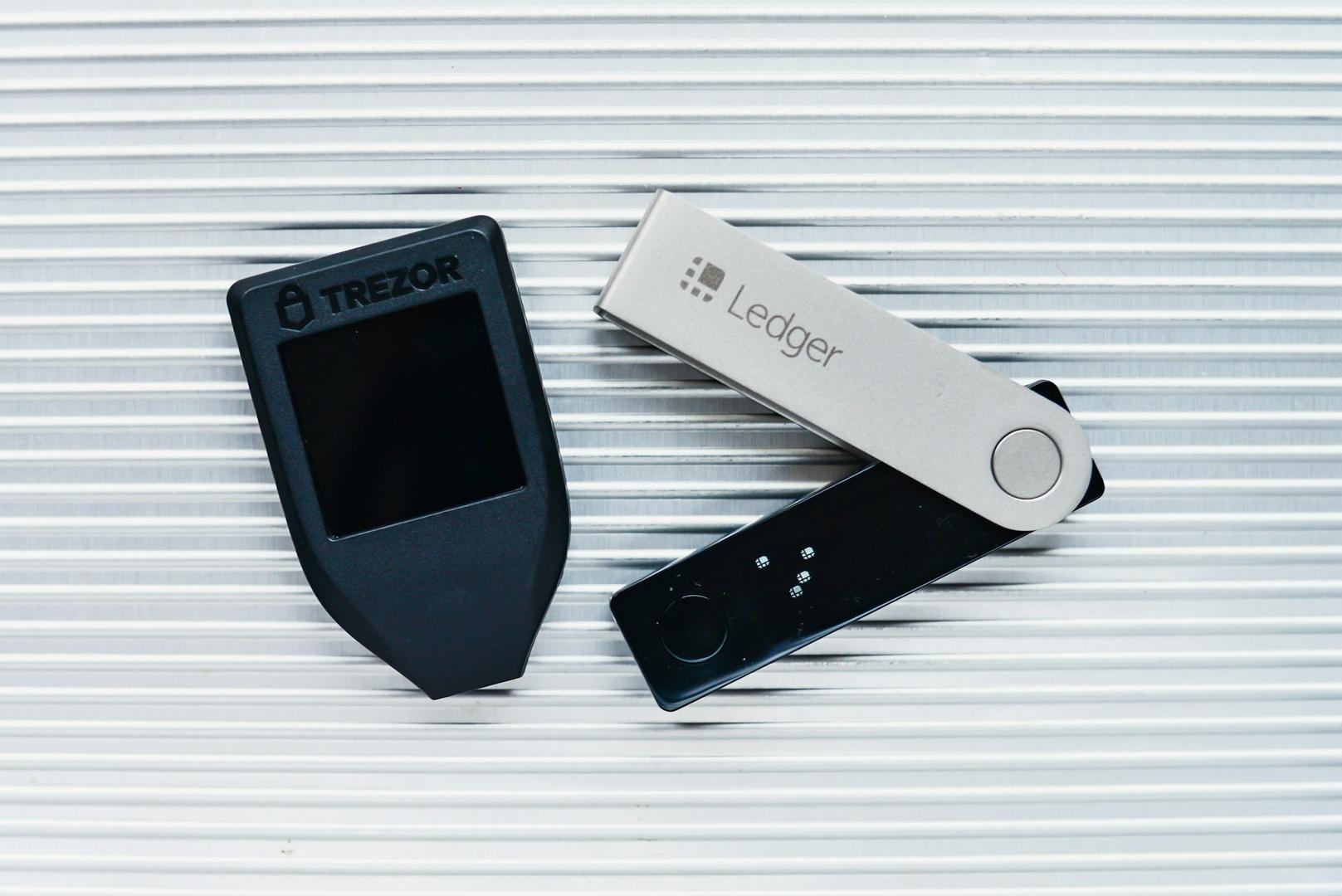
A significant surge in hardware wallet sales across Russia has caught the attention of market observers, with figures more than doubling recently. This trend, coupled with a notable 13% drop in average prices on platforms like Wildberries (averaging 7,900 rubles) and an expanded product range from retailers such as M.Video, paints a compelling picture of a market in flux. While retailers have not explicitly identified the catalyst behind this renewed demand, a Senior Crypto Analyst can confidently infer that this sharp uptick in interest and purchases is a direct, proactive response to the impending tightening of cryptocurrency regulations within the Russian Federation.
Russia's relationship with cryptocurrency has always been a complex dance between innovation and control. From proposals for outright bans to gradual attempts at integration and taxation, the regulatory landscape has been in constant evolution. The current surge in hardware wallet purchases strongly suggests that a considerable segment of crypto users are bracing for a new phase of stricter governmental oversight. While specific details of the “new crypto rules” are often subjects of governmental deliberation, the market’s reaction indicates a widespread expectation of measures that could significantly impact how individuals interact with their digital assets.
These anticipated regulations likely encompass a range of interventions: stricter Know Your Customer (KYC) requirements for exchanges, mandatory declarations of crypto holdings to tax authorities, enhanced transaction monitoring, and potentially limitations on peer-to-peer (P2P) transfers or capital outflows. For many crypto holders, these measures represent a direct threat to the very principles of decentralization, privacy, and financial autonomy that initially attracted them to digital assets. The conspicuous move towards hardware wallets, therefore, is a clear and strategic step to secure assets off-exchange and beyond the immediate reach of centralized authorities.
The geopolitical context further amplifies these concerns. In an environment where international sanctions and financial controls are ever-present, Russian citizens may perceive self-custody as a crucial safeguard against potential asset freezes or limitations imposed by traditional financial institutions, or even by crypto exchanges that comply with international mandates. The desire for a sovereign financial haven, insulated from external pressures, is a powerful motivator for embracing tools that ensure ultimate control over one's digital wealth.
Market Dynamics: Accessibility Meets Surging Demand
The simultaneous phenomena of surging demand and falling prices, as seen with Wildberries' average hardware wallet price dropping to 7,900 rubles, are indicative of a dynamic market rapidly adjusting to new realities. The 13% price reduction could be a strategic move by retailers to capture a larger share of the burgeoning market, making these security devices more accessible, or it might reflect increased competition as more players enter the space to meet the evident demand. Similarly, M.Video's decision to broaden its product range is a clear signal that mainstream electronics retailers are recognizing and responding to a significant consumer shift towards self-custody solutions.
This increased accessibility, both in terms of price and product availability, effectively lowers the barrier to entry for individuals who might have previously hesitated to invest in hardware wallets. It suggests a growing awareness and education among the general populace about the critical importance of securing digital assets. No longer solely the domain of tech-savvy early adopters, hardware wallets are rapidly becoming a mainstream necessity for anyone holding a substantial amount of cryptocurrency in Russia, highlighting a maturation of the local crypto market.
Strategic Self-Custody: A Hedge Against Centralized Vulnerabilities
From an analytical perspective, the doubling of hardware wallet sales is more than just a statistical anomaly; it represents a profound strategic shift in how Russian crypto users manage financial risk. By moving their assets from centralized exchanges – which are inherently susceptible to regulatory directives, hacks, and operational failures – to secure, offline hardware devices, users are fundamentally altering their risk profile. This transition prioritizes security and sovereignty over the often-touted convenience of exchange-based custody.
This move towards self-custody is not without its own set of responsibilities. It demands a higher level of user sophistication, particularly concerning the secure management of seed phrases and private keys. The potential for irreversible loss due to mismanagement, theft, or physical damage to the device itself becomes the user's sole responsibility. However, the current trend strongly suggests that for a significant portion of the Russian crypto community, the profound benefits of true ownership and immunity from third-party interference outweigh these inherent complexities and risks.
Implications for Russia's Crypto Landscape and Global Precedent
The implications of this mass migration to self-custody are multifaceted and significant. For Russian regulators, it presents a substantial challenge. While new rules can effectively target centralized exchanges, banks, and other traditional financial entities, enforcing compliance on assets held in private, self-custodied wallets becomes incredibly difficult. This could inadvertently foster a more decentralized, and potentially less visible, crypto economy within the country, complicating efforts to monitor transactions, prevent illicit activities, or collect taxes effectively.
Moreover, this trend serves as a powerful case study for governments worldwide grappling with cryptocurrency regulation. It underscores a fundamental truth about decentralized technology: attempts to exert overly strict control often lead to a greater push for autonomy by users. When faced with perceived governmental overreach or restrictive policies, a significant segment of the crypto community will naturally gravitate towards solutions that embody the core ethos of self-sovereignty. This phenomenon highlights the inherent resilience of the crypto ecosystem and its innate ability to adapt and circumvent traditional control mechanisms.
The increased adoption of hardware wallets also positions Russia as an interesting barometer for global crypto trends. As more nations explore comprehensive regulatory frameworks, the Russian experience may offer crucial insights into the unintended consequences of overly restrictive policies. It demonstrates unequivocally that the demand for financial freedom and personal control over one's assets is a deeply ingrained human desire, often finding new avenues of expression in the face of perceived threats to autonomy.
Conclusion: A New Chapter for Russian Crypto
In conclusion, the dramatic rise in hardware wallet sales in Russia is far more than a simple retail story; it is a clear indicator of a profound strategic reorientation among crypto holders. Driven by the imminent threat of stricter regulations and a deep-seated desire for financial autonomy and security, Russian users are embracing self-custody with unprecedented enthusiasm. This significant shift not only reshapes the domestic crypto landscape but also sends a powerful message to regulators globally: while governments can legislate, the spirit of decentralization and individual sovereignty in the digital realm continues to find robust and innovative ways to thrive. The next chapter for Russian crypto will undoubtedly be defined by this renewed commitment to secure, personal control over digital assets.