The Clash: Robinhood's Tokenized Ambition Meets AMC's Regulatory Ire
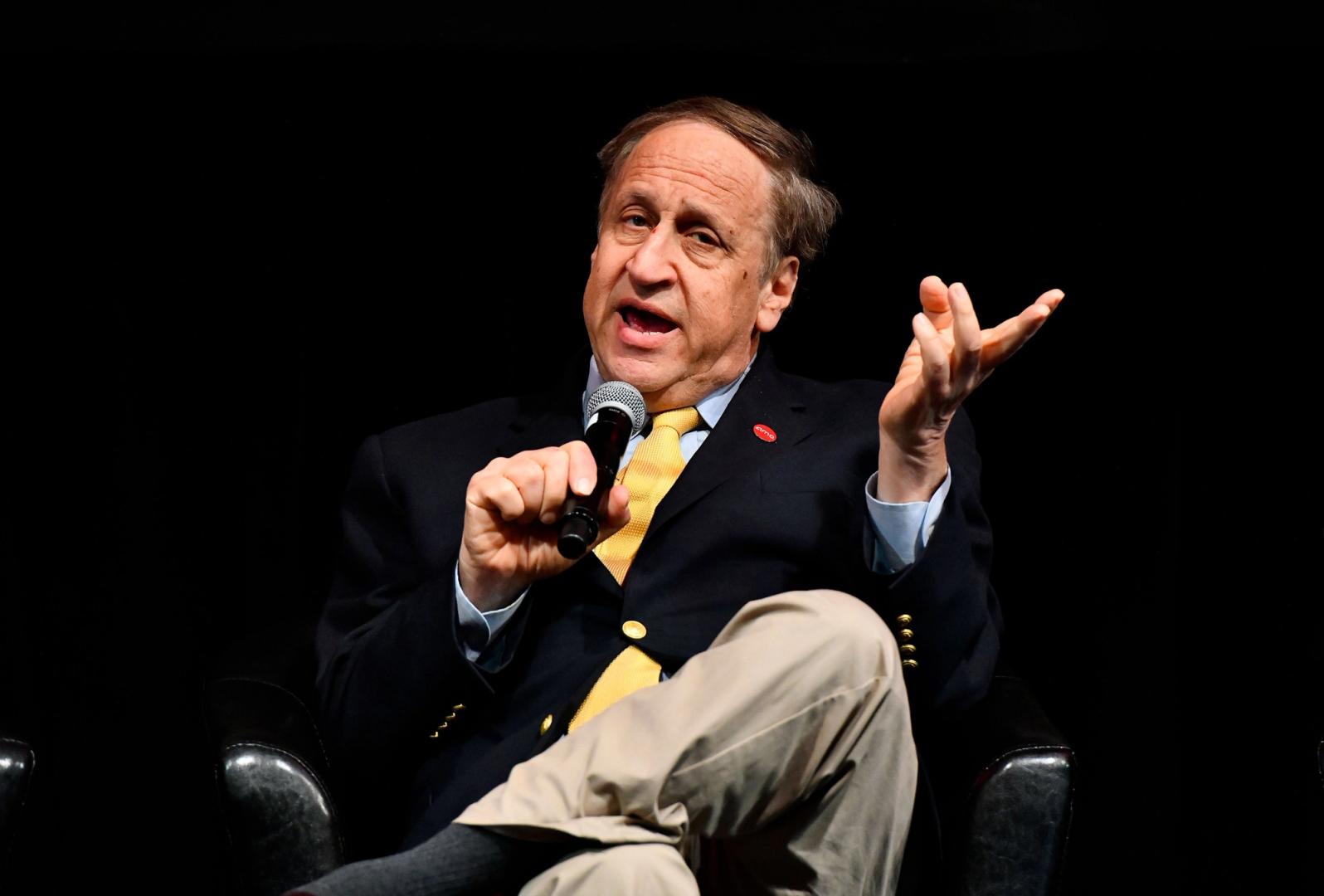
The financial world is abuzz with a new showdown, pitting traditional market safeguards against the relentless march of blockchain innovation. At its heart is Robinhood's audacious foray into stock tokens – a product designed to offer fractional, 24/7 trading of traditional equities on a blockchain. This initiative, however, has drawn the sharp rebuke of AMC Entertainment CEO Adam Aron, who vehemently labels these tokens as 'synthetic equity' and threatens legal action. As Senior Crypto Analyst, this confrontation highlights a pivotal moment in the evolution of finance, challenging existing regulatory frameworks and pushing the boundaries of what constitutes ownership in the digital age.
Vlad Tenev, Robinhood's CEO, remains steadfast in his defense, asserting that the brokerage firmly stands behind its product. This isn't merely a corporate squabble; it's a microcosm of the larger debate surrounding the tokenization of real-world assets (RWA) and the ongoing tension between financial innovation and regulatory oversight.
Understanding Robinhood's Stock Tokens: A Crypto Perspective
From a blockchain perspective, Robinhood's stock tokens represent a significant step in bridging the gap between traditional finance (TradFi) and decentralized finance (DeFi). These tokens are essentially digital representations of underlying shares, designed to offer enhanced accessibility and efficiency. Key features typically include fractional ownership, allowing investors to buy a portion of a high-priced stock, and 24/7 trading, transcending the rigid hours of conventional markets.
The promise of tokenized securities lies in their ability to leverage blockchain technology for greater transparency, immutability, and potentially lower transaction costs. By existing on a distributed ledger, these assets could theoretically streamline settlement processes and reduce counterparty risk. For crypto enthusiasts, this move by a mainstream brokerage like Robinhood signals a maturing ecosystem where blockchain's utility extends beyond native cryptocurrencies to encompass traditional financial instruments, potentially onboarding a vast new user base to the benefits of decentralized technologies.
Adam Aron's 'Synthetic Equity' Alarm: A Deeper Dive into Concerns
AMC CEO Adam Aron's strong opposition stems from deep-seated concerns about the nature and implications of these tokenized offerings. His 'synthetic equity' accusation is multi-layered, touching upon issues of potential dilution, regulatory arbitrage, and a perceived erosion of traditional shareholder rights. For a company like AMC, which has a fervent retail investor base often associated with the 'meme stock' phenomenon, maintaining the integrity of its equity and the rights of its shareholders is paramount.
Aron's concerns likely include: Does a tokenized representation confer the same voting rights, dividend entitlements, or legal protections as direct share ownership? Could these tokens create an unregulated parallel market that bypasses the safeguards of traditional exchanges? There's also the underlying fear that such products could be used to manipulate supply or create a disconnect between the token price and the underlying stock price, particularly in volatile markets where shorting and long positions are intensely scrutinized by retail investors. This resonates with the meme stock community's historical mistrust of opaque market mechanisms and their demand for transparency.
The Regulatory Quagmire: Innovation vs. Investor Protection
The core of this debate hinges on regulation. Stock tokens occupy a nebulous zone, blurring the lines between securities, derivatives, and crypto assets. Are they securities, subject to SEC oversight? Or are they derivatives, falling under different regulatory bodies? The lack of clear, universally accepted legal frameworks for tokenized securities is a global challenge, and this Robinhood-AMC clash brings it to the forefront.
From a crypto analyst's perspective, this ambiguity is a double-edged sword. On one hand, it allows for rapid innovation and experimentation, fostering new financial paradigms. On the other, it creates regulatory risk and potential for investor harm if proper disclosures, custody solutions, and market integrity measures are not in place. The SEC and other global regulators will inevitably have to weigh in, and their decisions will shape the future trajectory of RWA tokenization. A hasty crackdown could stifle innovation, while a lax approach could expose investors to unforeseen risks, particularly if centralized intermediaries like Robinhood hold the underlying assets.
The Broader Implications: A Catalyst for Financial Evolution?
This dispute is more than just about Robinhood and AMC; it's a litmus test for the future of finance. If Robinhood's stock tokens gain traction and regulatory acceptance, it could catalyze a broader shift towards tokenized securities across various asset classes – from real estate and commodities to intellectual property. This would usher in an era of enhanced liquidity, global accessibility, and potentially more efficient capital markets.
However, the successful integration of tokenized assets into the mainstream requires robust technological infrastructure, ironclad security, and, most critically, regulatory clarity that protects investors without stifling innovation. Centralization risks, oracle dependencies for price feeds, and the legal enforceability of tokenized rights remain significant challenges that must be addressed.
Conclusion: Navigating the Tokenized Frontier
The confrontation between Robinhood and AMC CEO Adam Aron underscores the inherent friction at the intersection of traditional finance and blockchain innovation. While Robinhood champions a vision of democratized, 24/7 trading via tokenized assets, AMC raises legitimate concerns about market integrity, shareholder rights, and regulatory bypass. As a Senior Crypto Analyst, I view this as an essential, albeit contentious, dialogue that will ultimately refine how we define and interact with ownership in the digital realm.
The path forward demands a delicate balance: fostering innovation while ensuring robust investor protection and market stability. Regulatory bodies must engage proactively to develop comprehensive frameworks that acknowledge the unique characteristics of tokenized assets, addressing issues of legal ownership, custody, and market surveillance. The outcome of this particular skirmish may set a precedent, determining whether tokenized stock becomes a ubiquitous feature of global markets or remains a niche, contentious product. Regardless, the tokenization trend is undeniable, and the financial ecosystem is on the cusp of a profound transformation, one that requires careful navigation and clear understanding from all stakeholders.