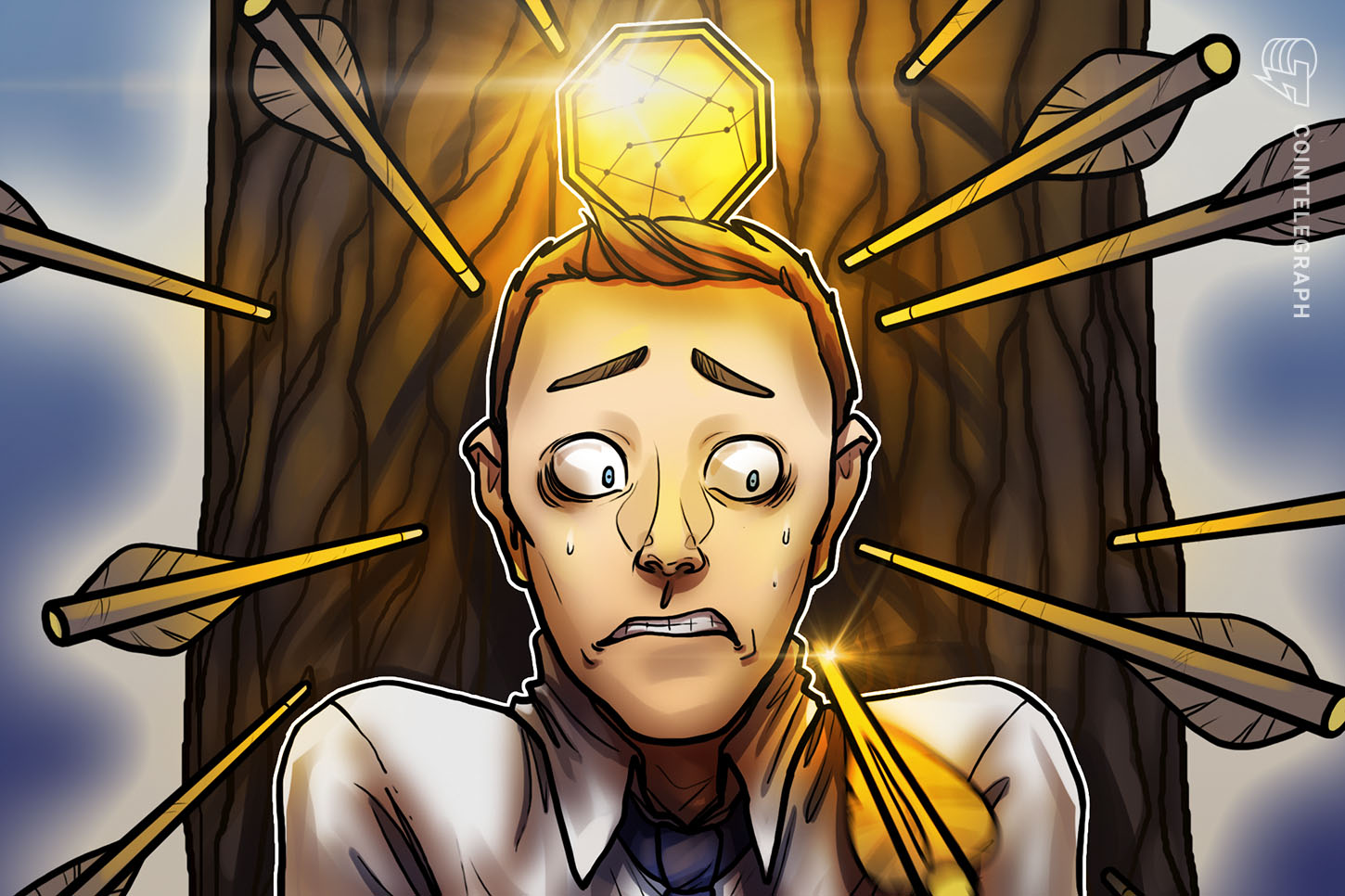
A High-Profile Breach Underscores Persistent Threats
The recent security breach of Robinhood CEO Vlad Tenev’s X (formerly Twitter) account, swiftly exploited to promote a fraudulent "VLAD" memecoin, serves as a potent reminder of the pervasive and evolving threats within the digital asset ecosystem. This incident, while quickly contained with the removal of malicious posts, reverberates far beyond a simple social media hijack. It highlights critical vulnerabilities at the intersection of high-profile individuals, social media influence, and the speculative world of memecoins. For an industry striving for mainstream adoption, such high-profile incidents erode trust and amplify concerns about investor safety.
The swiftness and brazenness of the attack, leveraging the established credibility of a major TradFi-meets-crypto figure, is particularly troubling. Hackers posted a malicious token contract address, attempting to capitalize on the CEO's reputation to trick unsuspecting users into engaging with a likely fraudulent asset. This type of sophisticated social engineering, targeting public personas for illicit gain, underscores the constant vigilance required from both platform operators and individual users in our interconnected digital world. It compels a deeper dive into the mechanisms of such attacks and their broader implications for digital security.
The Anatomy of a Social Engineering Attack
While the exact vector of the hack on Vlad Tenev's X account remains undisclosed, such incidents commonly stem from sophisticated social engineering tactics. These often include phishing attacks designed to steal login credentials, SIM swap scams granting access to two-factor authentication (2FA) codes, or the exploitation of session tokens. Once access is gained, perpetrators immediately pivot to maximize financial gain. In this instance, the choice to promote a "VLAD" memecoin was a calculated move, mimicking the CEO's name to create an illusion of legitimacy, preying on FOMO and the rapid, often irrational, speculative nature of memecoin trading.
The scam’s methodology is unfortunately familiar. By presenting a seemingly legitimate token and a contract address, hackers aim to initiate a classic "pump and dump" scenario or, more nefariously, to drain wallets that interact with the malicious contract. The trust implicitly placed in a public figure's account can bypass typical user skepticism, leading to rash investment decisions without proper due diligence. This incident emphasizes that even highly experienced individuals in finance are not immune, highlighting the universal need for robust digital hygiene practices.
Robinhood's Crossroads: Trust and Executive Security
Robinhood occupies a unique and often scrutinized position at the confluence of traditional finance and the nascent crypto market. As a platform that democratized investing, its public image and the security of its executives are inextricably linked to its operational trustworthiness. While the hack directly targeted a personal account, the reputational spillover for Robinhood is undeniable. Any perceived vulnerability at the executive level can sow seeds of doubt among existing customers and potential investors, especially those new to crypto and wary of its inherent volatility and security risks.
This incident forces a re-evaluation of executive-level digital security within companies operating in the digital asset space. Leaders and key personnel often become high-value targets due to their public profiles and influence. Their compromised accounts can be weaponized to manipulate markets, spread misinformation, or directly fleece their followers. For Robinhood, navigating regulatory scrutiny and public perception, this hack is a stark reminder that security protocols must extend beyond internal systems to encompass the entire digital footprint of its leadership, safeguarding against both direct financial loss and indirect reputational damage.
The Memecoin Mirage: Scammers' Playground
The memecoin phenomenon, characterized by its viral nature, community-driven hype, and often lack of inherent utility, presents a fertile ground for scammers. Unlike established cryptocurrencies with discernible roadmaps, memecoins often derive their value purely from speculation and social media sentiment. This makes them highly susceptible to manipulative tactics like pump-and-dump schemes, where malicious actors artificially inflate prices before selling off their holdings, leaving retail investors with worthless assets. The "VLAD" memecoin scam attempted to capitalize on this precise dynamic, leveraging a prominent name to create instant, albeit fake, credibility and urgency.
The appeal of memecoins lies in their potential for parabolic gains, but this allure often overshadows profound risks. Scammers exploit the inherent emotional investment and FOMO characterizing these markets. They create fake tokens, sometimes with malicious smart contracts that allow for rug pulls or backdoors. Investors, drawn by the promise of quick riches, frequently bypass essential due diligence, making them easy prey. This continuous cycle of hype, speculation, and exploitation underscores a systemic challenge within the broader crypto market.
Bolstering Defenses: Lessons for All Stakeholders
The Tenev hack provides invaluable lessons for all stakeholders. For high-profile individuals and executives, the utmost digital hygiene is non-negotiable. This includes mandatory multi-factor authentication (MFA), unique and strong passwords for every online service, and rigorous training against sophisticated phishing attempts. A clear separation between personal and corporate digital identities can limit the impact of a personal account compromise on corporate reputation. Executives must understand they are prime targets and manage their digital presence with the same rigor they apply to corporate security.
Social media platforms like X also bear significant responsibility. They must implement enhanced security protocols for high-profile and verified accounts, offering advanced threat detection and rapid response mechanisms for suspicious activity. For average investors, the incident is a sobering reminder of "Do Your Own Research" (DYOR). Never interact with unsolicited links or invest based solely on social media promotions, even from seemingly credible sources. Always verify contract addresses, audit project fundamentals, and be skeptical of claims promising unrealistic returns. Understanding smart contract risks and engaging with reputable exchanges are foundational safeguards.
Conclusion: Vigilance as the Ultimate Crypto Safeguard
The hacking of Vlad Tenev's X account, while alarming, serves as a vital teachable moment for the entire digital asset community. It underscores that technological advancements, while offering immense opportunities, also introduce new vectors for exploitation. From individual users to major platforms and industry leaders, a multi-layered approach to security—characterized by continuous education, robust protocols, and unwavering skepticism—is not merely recommended but absolutely essential.
As the crypto market continues to evolve and attract both innovation and nefarious actors, the ultimate safeguard against such scams lies in collective vigilance. Trust is hard-earned and easily shattered. Upholding the integrity of the digital asset space requires every participant to be an active guardian of their own security and a responsible steward of information, ensuring that the promise of decentralization and financial freedom is not undermined by the persistent threats of fraud and manipulation.