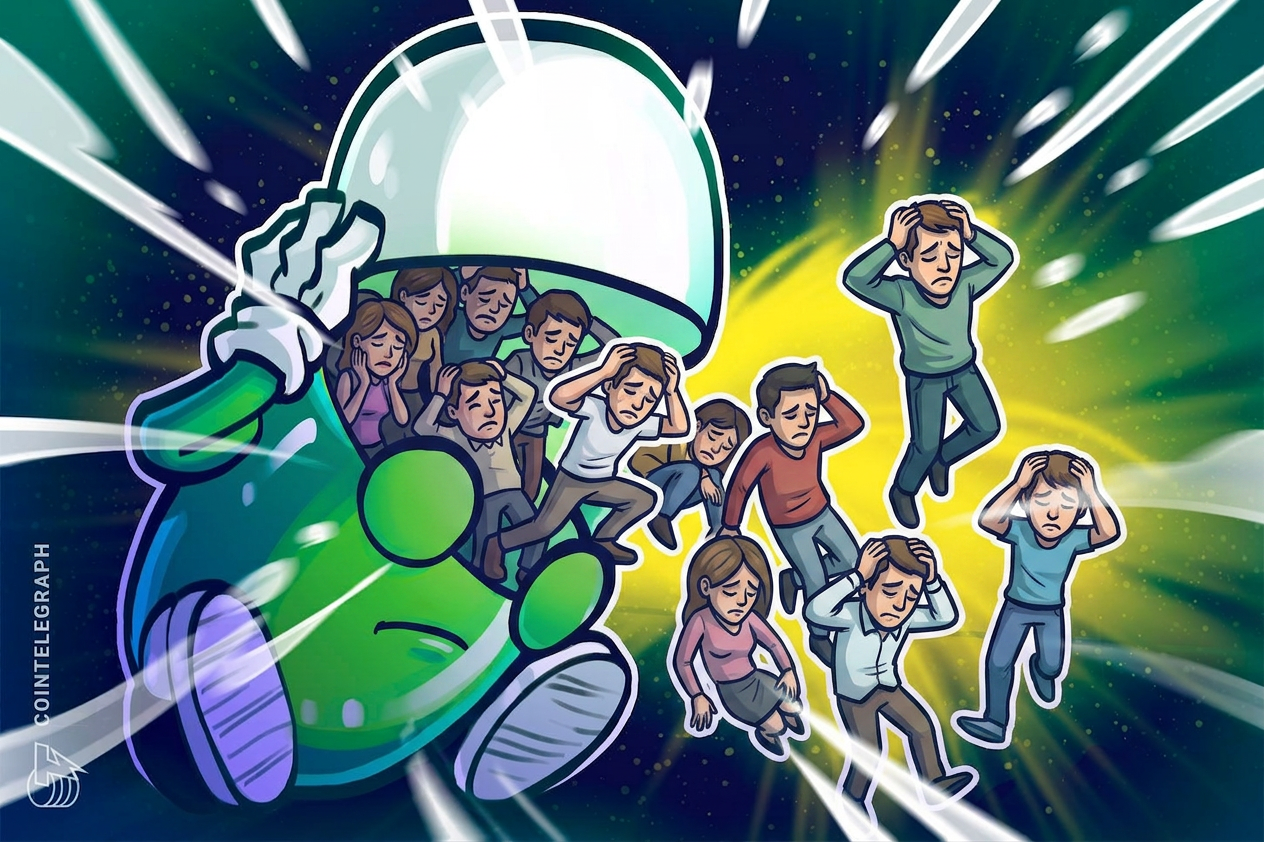
Pump.fun's PUMP Token Debacle: A Cautionary Tale of Rapid Growth, Layoffs, and Unfulfilled Promises
The world of decentralized finance and meme coin creation is often characterized by breakneck speed, innovative solutions, and sometimes, a chaotic disregard for traditional corporate norms. Pump.fun, a platform that has become synonymous with the Solana ecosystem's recent memecoin craze, exemplifies this ethos. However, recent reports suggesting that the company laid off workers just before they were due to receive millions in PUMP tokens cast a long shadow, raising significant ethical and operational questions that demand a thorough analysis from a senior crypto analyst's perspective.
Pump.fun emerged as a sensation, democratizing the creation of meme coins. By simplifying the technical barriers, it allowed virtually anyone to launch a new token, fostering a vibrant, albeit often speculative, ecosystem. This ease of creation, coupled with Solana's low transaction fees and high throughput, propelled Pump.fun to significant prominence, attracting millions of users and generating substantial revenue. Its rapid ascent positioned it as a darling of the decentralized application space, symbolizing the innovative spirit of Web3.
The Unsettling Timing of Layoffs
The core of the controversy lies in the timing: employees were reportedly let go shortly before they were slated to receive significant allocations of PUMP tokens. In the crypto startup landscape, token allocations are often a cornerstone of employee compensation packages, representing a substantial portion of potential future earnings and acting as a powerful incentive for early team members to contribute to a project's long-term success. These tokens typically vest over time, aligning employee interests with the growth and value appreciation of the protocol. For former Pump.fun employees, being denied these tokens — especially if their contributions were instrumental in the platform's initial success — represents a significant financial loss and a deeply unsettling experience.
Evaluating Noah Tweedale's 'Growing Too Quickly' Justification
Pump.fun co-founder Noah Tweedale's reported justification for the layoffs – attributing them to the company 'growing too quickly' – warrants careful scrutiny. While rapid growth can indeed present significant operational challenges, including scaling infrastructure, managing talent, and maintaining cultural cohesion, it rarely serves as an excuse for what appears to be a systemic failure in human capital management and ethical conduct. A company experiencing hyper-growth should ideally be in a position to reward its employees, not divest them of potentially life-changing assets. This explanation raises questions about the leadership's foresight, planning capabilities, and commitment to its early team members. Did the company overhire without a clear long-term strategy? Or was there an intentional maneuver to consolidate token ownership?
From an analytical standpoint, the 'growing too quickly' defense can imply several underlying issues: inadequate financial planning, poor organizational structure, or a sudden shift in strategic direction that wasn't transparently communicated. In a space as dynamic as crypto, adaptability is key, but abrupt and financially detrimental layoffs, particularly in the context of impending token distributions, signal a potential lapse in ethical leadership rather than merely a growing pain.
The Broader Implications for Tokenomics and Employee Morale
This incident has far-reaching implications for the burgeoning crypto industry. Tokenomics, the study of how tokens are created, distributed, and managed, is a critical component of any decentralized project. The allocation of tokens to employees is not merely a perk but a fundamental aspect of decentralized governance and value creation. Denying early contributors their rightful share undermines the very premise of collaborative, community-driven development that many Web3 projects champion.
Furthermore, the impact on employee morale, both within Pump.fun and across the wider crypto talent pool, cannot be overstated. Such actions erode trust, making it significantly harder for Pump.fun to attract and retain top talent in the future. The crypto industry, for all its innovation, is still maturing in terms of HR practices and legal frameworks. This case serves as a stark reminder of the need for robust employment contracts, clear vesting schedules, and transparent communication regarding token allocations and company performance. Without these safeguards, the industry risks gaining a reputation for exploitation, deterring skilled professionals who might otherwise be eager to contribute to its growth.
Reputational Damage and Regulatory Scrutiny
The reputational damage to Pump.fun is likely significant. In a community that values transparency and fairness, allegations of shortchanging employees can severely impact public perception and community trust. This could translate into reduced user engagement, decreased developer interest, and even potential scrutiny from regulators, who are increasingly looking to apply traditional labor laws and financial regulations to the crypto space.
For a platform that thrives on community participation and a narrative of decentralization, a perception of corporate greed or unethical conduct can be fatal. It challenges the very 'fun' aspect that Pump.fun projects, turning a celebratory environment into one shadowed by controversy. Competitors will undoubtedly seize on this narrative, potentially siphoning off disillusioned users and developers.
Lessons for the Crypto Ecosystem
This episode serves as a critical case study for the entire crypto ecosystem. It underscores the importance of:
- Ethical Leadership: Prioritizing fair treatment of employees, especially in compensation tied to the company's success.
- Transparent Tokenomics: Clear, immutable, and easily verifiable vesting schedules and token allocation plans.
- Robust HR Practices: Even in lean, fast-moving startups, basic HR frameworks are crucial for managing human capital effectively and ethically.
- Strategic Planning: Growth needs to be managed and sustainable, not chaotic to the point of necessitating sudden, punitive layoffs.
In conclusion, Pump.fun's reported decision to lay off workers before their PUMP token distributions is more than just an internal corporate matter; it's a significant event that reflects on the ethical maturity and operational integrity of the broader crypto industry. While 'growing too quickly' might be a convenient explanation, it fails to address the fundamental questions of fairness and responsibility. As the crypto space continues its journey towards mainstream adoption, such incidents are potent reminders that innovation must be tempered with integrity, and rapid growth must be accompanied by sustainable and equitable human capital management practices. The PUMP token debacle could well become a cautionary tale for future crypto startups, emphasizing that a project's true value is built not just on code and market cap, but on the trust and fair treatment of its people.