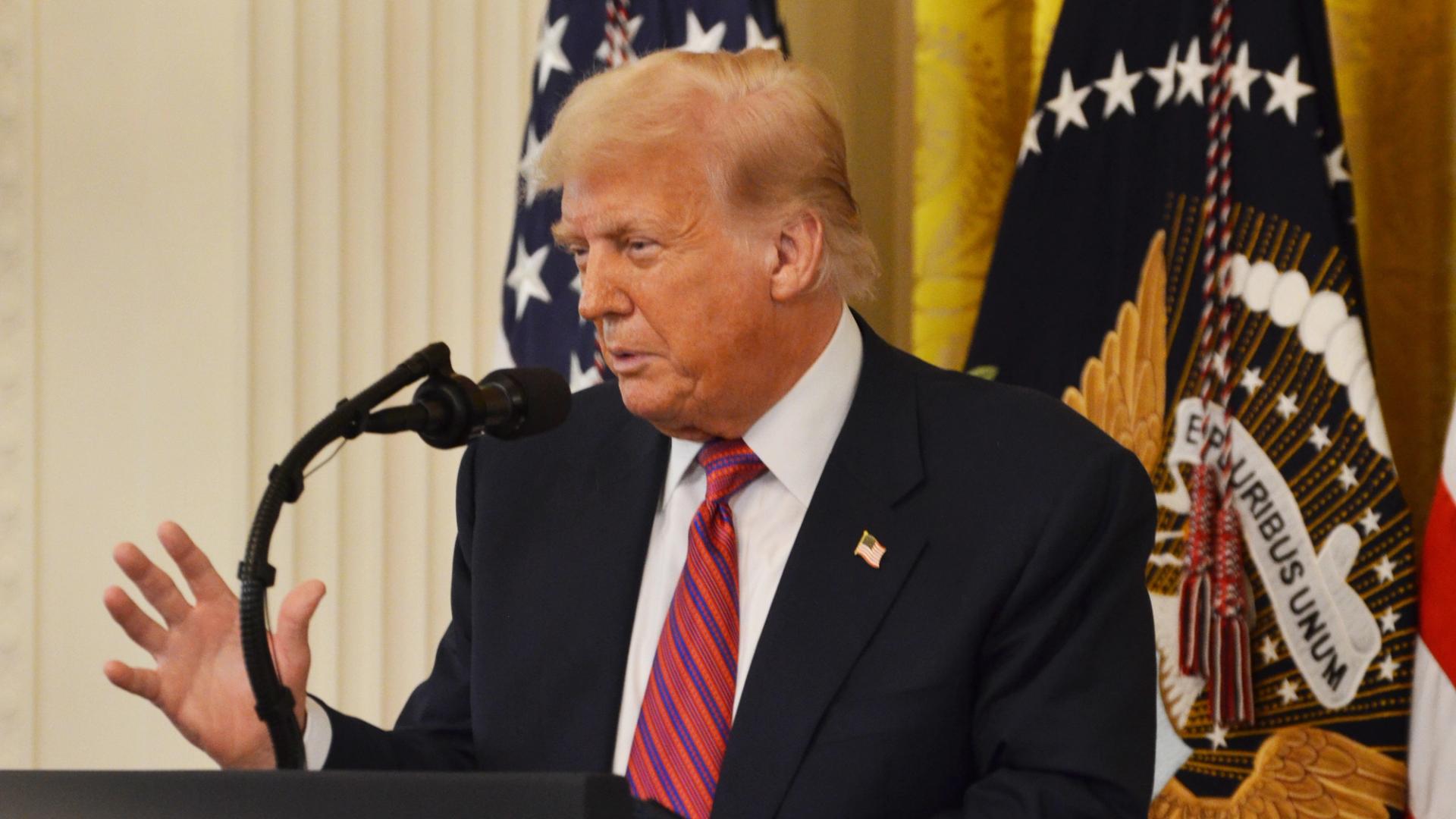
Political Tempest Brews as Trump's Crypto Venture Faces Senate Scrutiny Over $500M UAE Investment
A political firestorm is rapidly escalating around former President Donald Trump's nascent crypto venture, World Liberty Financial, following revelations of a substantial $500 million investment from officials in the United Arab Emirates. Senate Democrats are now vociferously calling for immediate hearings, raising serious questions about potential conflicts of interest and the undue influence foreign capital might exert on a prominent American political figure. This development casts a long shadow, not just over Trump's post-presidency business dealings, but also over the evolving regulatory landscape of the digital asset industry itself, demanding a rigorous examination from a Senior Crypto Analyst's perspective.
The Enigma of World Liberty Financial
While specifics regarding World Liberty Financial remain somewhat opaque to the public, the very premise of a Trump-backed crypto enterprise signals ambition. One could speculate it aims to leverage blockchain technology for various applications: perhaps a new digital payment system, a platform for tokenized assets, or even a blockchain-based social media infrastructure designed to challenge existing paradigms. The involvement of a figure as polarizing yet influential as Trump inherently imbues any such venture with both immense potential and significant risk. For the crypto sector, this means a unique spotlight – offering a pathway to mainstream adoption but also exposing it to intense political and regulatory scrutiny rarely seen before.
The UAE Infusion: A Closer Look at the $500 Million Stake
The $500 million investment from UAE officials is not merely a capital injection; it's a strategic geopolitical maneuver. The UAE, a key Middle Eastern ally, has been increasingly asserting its influence on the global economic stage, particularly in emerging technology sectors. While such investments are common in the tech world, the direct beneficiary being a former U.S. President — and potential future candidate — elevates this transaction far beyond standard venture capital. The concern for Senate Democrats centers on the quid pro quo: could this significant financial stake translate into influence over U.S. foreign policy, economic decisions, or even specific regulatory stances concerning digital assets, should Trump regain office or continue to wield political power? The sheer scale of the investment makes these questions not just rhetorical but imperative.
Navigating the Conflict of Interest Minefield
The crux of the Senate's demand for hearings lies in the potential for a profound conflict of interest. The Emoluments Clause of the U.S. Constitution traditionally restricts federal officials from accepting gifts or payments from foreign governments without Congressional approval. While Trump is no longer President, the principles of avoiding undue foreign influence remain paramount, especially for someone who maintains such a strong political presence and potential future candidacy. The concern isn't just about direct personal enrichment, but the subtler, yet equally corrosive, impact on policy decisions. Imagine a scenario where U.S. policy towards the UAE, or even broader crypto regulation, appears to be shaped by this financial tie. Such a perception could erode public trust, compromise national security interests, and create an uneven playing field in the digital asset market.
Implications for the Crypto Industry
From a crypto analyst's vantage point, this controversy presents a double-edged sword. On one hand, the involvement of high-profile figures like Trump brings undeniable attention and potentially new capital to the digital asset space. It signals a growing recognition of crypto's importance on a global scale. On the other hand, it also risks politicizing an industry already struggling with regulatory clarity and public perception. The specter of foreign influence and political leverage could lead to a 'chilling effect' from regulators, potentially resulting in more stringent, perhaps even punitive, rules for digital asset ventures. It underscores the critical need for transparency, robust compliance frameworks, and clear ethical guidelines for any individual or entity operating in the intersection of politics and decentralized finance. Projects linked to political figures must be exceptionally transparent to mitigate accusations of undue influence or illicit dealings, thus protecting the broader industry's integrity.
The Path Forward: Hearings and Scrutiny
The Senate's call for hearings is a predictable, and arguably necessary, response. These proceedings will likely aim to uncover the full scope of the UAE investment, the specific terms of the agreement, and the potential implications for U.S. policy and national security. For World Liberty Financial, this means immediate and intense public scrutiny, which could impact investor confidence and operational stability. For Trump, it presents another legal and political battlefront. The outcomes of these hearings will not only shape the narrative around Trump's business endeavors but could also set precedents for how foreign investments in politically connected digital asset ventures are viewed and regulated in the future. The crypto industry, keen on legitimacy and mainstream adoption, must watch closely, understanding that political entanglements can either elevate or severely hinder its progress.
Conclusion: A Test Case for Transparency
The saga of Trump's World Liberty Financial and the $500 million UAE investment is more than just a political spat; it's a critical test case for the burgeoning digital asset industry. It highlights the complex interplay of finance, geopolitics, and emerging technology. For the crypto space to achieve its full potential, it must demonstrate an unwavering commitment to transparency, ethical governance, and a clear separation from undue political influence. The Senate's impending scrutiny serves as a stark reminder that as digital assets become increasingly integral to the global economy, so too does the demand for accountability and integrity from all participants, regardless of their political standing.