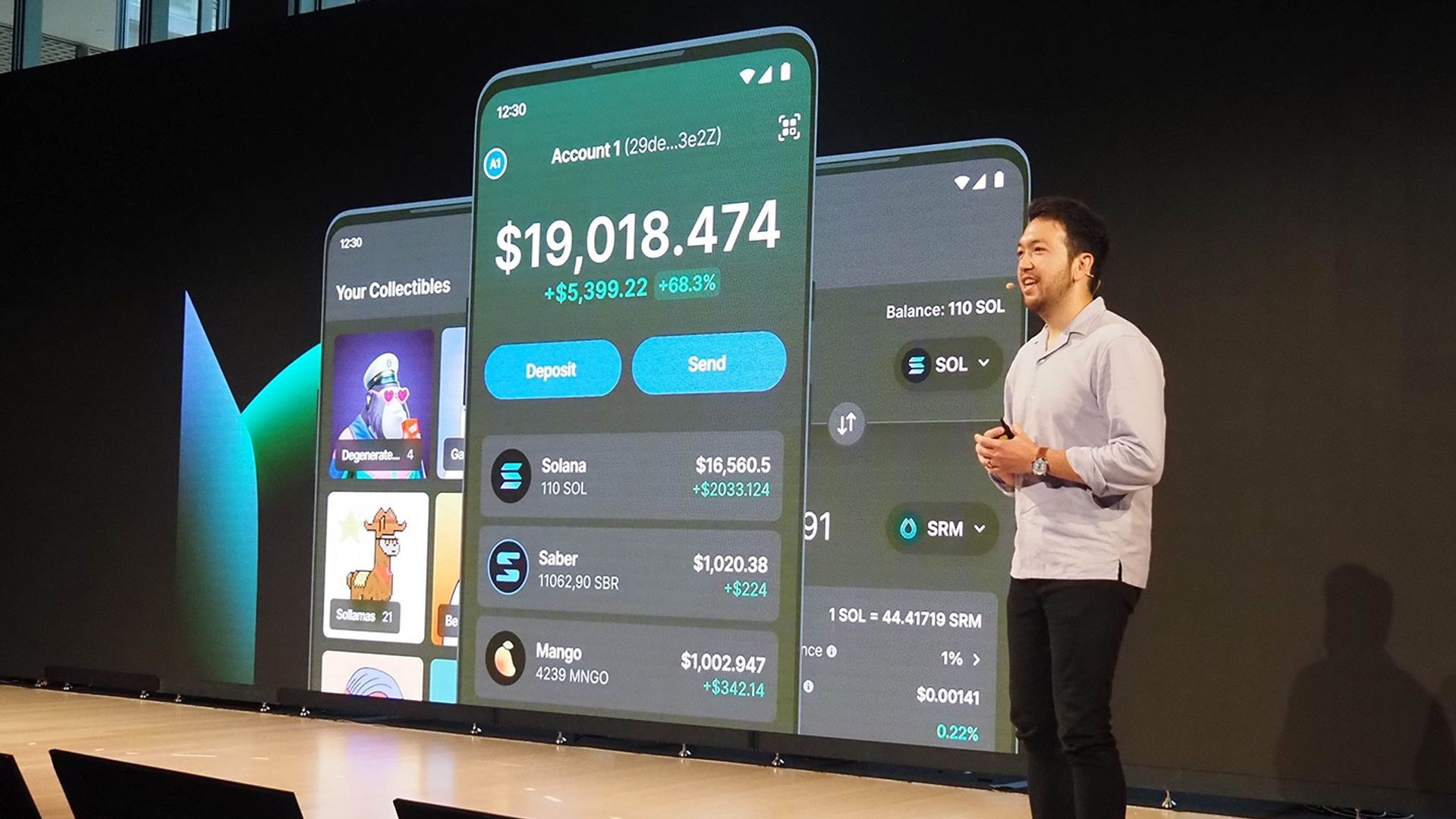
In a strategic move poised to significantly reshape the decentralized finance (DeFi) landscape, Phantom, a leading Solana-native crypto wallet, has declared an aggressive doubling down on perpetual futures. This ambitious push is highlighted by the acquisition of key talent – the very architects behind some of Hyperliquid's most innovative market experiments. This isn't merely an expansion; it’s a clear declaration of Phantom's intent to evolve beyond a mere digital asset custodian into a comprehensive nexus for advanced DeFi trading.
Phantom's Evolving Vision: Beyond the Wallet
For years, Phantom has cemented its position as the go-to wallet for the Solana ecosystem, celebrated for its intuitive interface and robust security. Its success built on simplifying access to tokens, NFTs, and basic DeFi interactions. However, the crypto market is fiercely competitive, and user expectations are evolving. As DeFi matures, sophisticated financial instruments like perpetual futures are no longer niche offerings but core components of a vibrant trading ecosystem.
Phantom’s decision to dive deeper into perpetual futures signifies a proactive strategy to broaden its utility and capture a larger share of the DeFi value chain. By integrating or facilitating direct access to perpetuals, Phantom aims to transform its platform into a central hub where users can not only manage assets but also engage in high-octane, capital-efficient trading. This aligns with a broader trend of crypto wallets evolving into "super-apps" offering diverse services.
The Power of Perpetual Futures in DeFi
Perpetual futures contracts are a cornerstone of modern financial markets, enabling traders to speculate on asset prices with leverage, without an expiry date. In DeFi, decentralized perpetual exchanges (Perp DEXs) have exploded, offering censorship-resistant, transparent, and accessible alternatives. Platforms like Hyperliquid have carved out substantial market share by offering robust trading engines, deep liquidity, and innovative market-making solutions.
The allure of perpetuals for a wallet like Phantom is clear: they unlock significant capital efficiency for users, enabling amplified exposure or hedging. For Phantom, facilitating this access could open new revenue streams, strengthen user engagement, and position the wallet at the forefront of decentralized trading. The challenge, however, lies in integrating such complex financial instruments seamlessly and securely.
Hyperliquid's Expertise: The Brains Behind the Breakthrough
The true significance of Phantom's announcement lies in who they have brought on board. Hyperliquid has rapidly distinguished itself in the crowded Perp DEX space, known for its high-performance, custom-built EVM-compatible chain optimized for low-latency trading and efficient liquidity provision. Their "market experiments" represent practical, battle-tested innovations in order book management, risk mitigation, and sophisticated market-making strategies that have fueled Hyperliquid's impressive growth.
Hiring these specific market builders suggests Phantom isn't just looking to integrate existing perp protocols; they are likely aiming to build or significantly enhance their own perp-related offerings from the ground up. This leverages expertise in crafting efficient liquidity pools and order book mechanisms, designing infrastructure for high transaction volumes with minimal delays, and implementing robust liquidation engines and collateral management systems. This talent infusion implies Phantom is actively seeking to become a creator and innovator in the perpetual futures arena, exploring new contracts or unique trading features.
Strategic Implications and Future Outlook
Phantom's move carries several profound implications. An enhanced user experience is expected, allowing direct access to advanced perpetual trading within the Phantom wallet, with streamlined onboarding and integrated analytics, lowering the barrier to entry for many DeFi users. Secondly, it serves as a significant competitive differentiator, transforming Phantom into a one-one-stop shop for both asset management and advanced trading. Thirdly, this move offers a boost to the Solana ecosystem; if Phantom successfully develops a robust perp offering, it would further solidify Solana's standing as a prime blockchain for high-performance DeFi applications. Lastly, direct integration of perpetuals could lead to new monetization opportunities for Phantom, from trading fees to yield generation on collateral, securing its long-term financial viability.
However, this path is not without its challenges. The regulatory landscape for derivatives is complex and constantly evolving, and security remains paramount, especially when handling leveraged positions. User education will also be critical to ensure responsible trading. Yet, the strategic intent is clear: Phantom sees immense potential in bringing sophisticated trading tools closer to its users, ultimately shaping the future of decentralized finance.