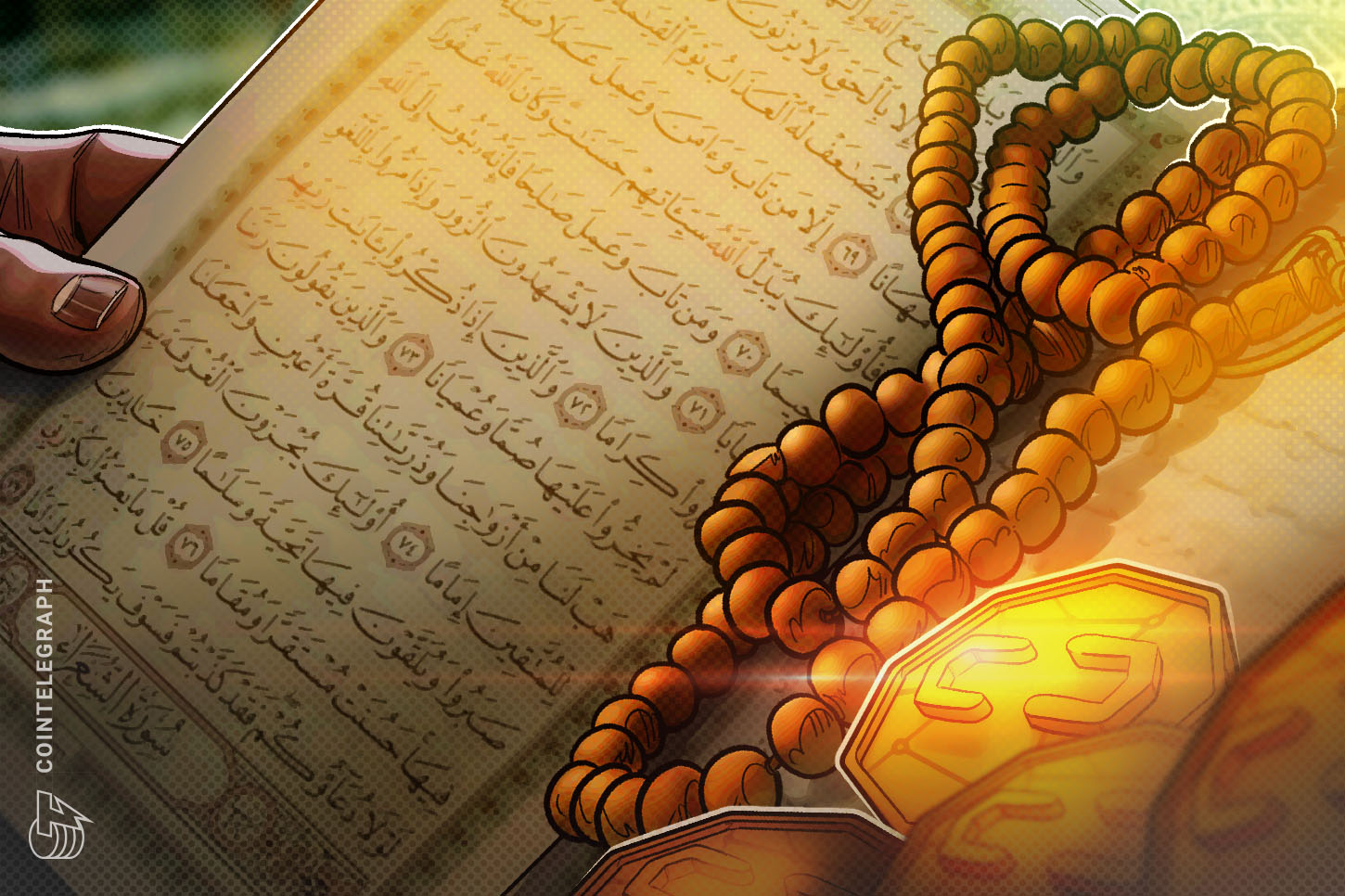
Pakistan's Pivotal Moment: Reconciling Islamic Finance with Digital Assets
Pakistan, a nation grappling with economic challenges and a burgeoning digital-native population, stands at a critical juncture regarding the future of cryptocurrency. Recent developments indicate a brewing tension between traditional Islamic scholarly interpretations and the burgeoning world of digital assets, specifically crypto payments. The call for continued dialogue from Pakistan’s virtual-assets regulator, following a meeting with an Islamic scholar who backed a ruling against crypto purchases, underscores a complex interplay of religious doctrine, economic potential, and regulatory prudence. As Senior Crypto Analysts, we recognize this as a defining moment that could set a precedent for digital asset adoption in religiously conservative nations.
The essence of the current debate lies in the scholar's ruling, which likely draws from core principles of Islamic finance. Sharia law emphasizes transactions that are clear, transparent, and free from excessive uncertainty (gharar), speculation (maysir), and interest (riba). Traditional interpretations often view cryptocurrencies with skepticism due to their volatile nature, the absence of an intrinsic underlying asset (in many cases), and the lack of central sovereign backing. From this perspective, using highly volatile and often speculative digital tokens as a medium of exchange for purchases could be deemed problematic under Islamic commercial law, raising questions about their legitimacy as a 'mal' (wealth or property) and their suitability for payment.
The Regulator's Pragmatic Stance: A Call for Understanding
Crucially, the virtual-assets regulator's response is not one of immediate capitulation to a ban, but rather an assertive push for 'continued dialogue.' This stance by Pakistan's Securities and Exchange Commission (SECP) or similar regulatory body is highly significant. It signals a pragmatic approach, acknowledging the religious concerns while also recognizing the undeniable potential of digital assets. Outright bans, as seen in some jurisdictions, often drive the industry underground, fostering an unregulated environment ripe for illicit activities and denying the nation the economic benefits of innovation. By advocating for dialogue, the regulator demonstrates a commitment to understanding the nuances, seeking common ground, and potentially crafting a framework that aligns both with Islamic principles and modern financial realities.
This pursuit of dialogue is not merely a formality; it is an imperative. Pakistan, like many developing economies, could significantly benefit from the efficiencies offered by blockchain technology and cryptocurrencies. Remittances, a vital lifeline for millions of Pakistani households, represent a prime example. Traditional remittance channels are often slow, expensive, and inaccessible to large segments of the population. Crypto-based remittances offer faster, cheaper alternatives, potentially boosting the nation's foreign exchange reserves and fostering greater financial inclusion. Moreover, a progressive stance on digital assets could attract foreign direct investment, spur local innovation in fintech, and create high-skilled job opportunities in a rapidly evolving global digital economy.
Navigating Sharia Compliance: Lessons from Other Islamic Nations
The challenge for Pakistan is to define what constitutes 'Sharia-compliant' crypto within its national context. This isn't an uncharted territory globally. Other Muslim-majority nations have embarked on similar journeys. For instance, countries like the UAE and Bahrain have adopted relatively progressive stances, often with the guidance of specialized Sharia boards or regulatory sandboxes. They have explored the potential of asset-backed tokens, utility tokens, and stablecoins that meet Islamic finance criteria by having clear underlying value, avoiding excessive speculation, and adhering to ethical investment principles.
The debate in Pakistan could pave the way for a nuanced classification of digital assets. Not all cryptocurrencies are created equal from an Islamic perspective. Tokens backed by tangible assets, those representing equity in Sharia-compliant businesses, or stablecoins pegged to physical commodities or fiat currencies in a transparent manner, might find more acceptance. The dialogue must therefore delve into the specific characteristics of different types of digital assets, rather than applying a blanket ruling, which would be akin to banning all forms of conventional finance due to the existence of interest-based lending.
The Path Forward: Collaboration and Education
For Pakistan, the path forward requires robust collaboration between religious scholars, financial regulators, technology experts, and legal professionals. Educational initiatives will be paramount – both for scholars to understand the underlying technology and its applications, and for the public to comprehend the risks and benefits of engaging with digital assets. Developing a clear, comprehensive, and adaptable regulatory framework that incorporates Sharia principles while fostering innovation is crucial. Such a framework would not only protect investors and prevent illicit activities but also provide certainty for businesses and individuals seeking to engage with the crypto economy.
Ultimately, the dialogue called for by Pakistan’s virtual-assets regulator is a testament to the nation's desire to find a balanced approach. It is an opportunity to craft a unique model that respects its cultural and religious heritage while embracing the transformative power of digital finance. The world will be watching closely as Pakistan navigates this complex intersection, potentially setting a precedent for how other nations reconcile faith, finance, and the future of technology.