OKX Europe's Strategic Pivot: Ushering in an Era of MiCA-Compliant Stablecoins
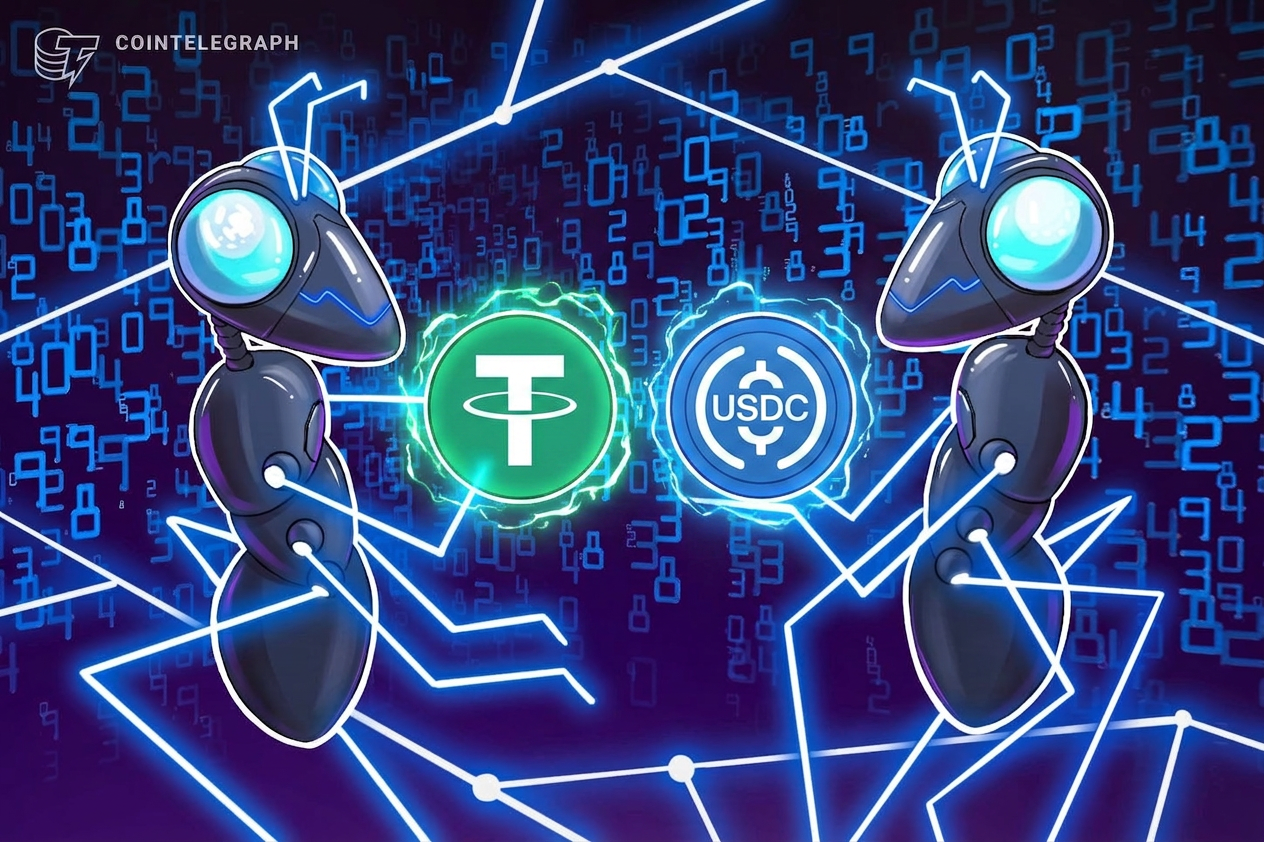
In a significant development poised to reshape the European stablecoin landscape, OKX Europe has announced a new feature allowing users to seamlessly convert Tether’s USDT into MiCA-compliant USDC. This strategic move, effective in regions where MiCA (Markets in Crypto-Assets Regulation) rules are taking hold, provides European customers with a voluntary, compliant pathway, signaling a profound shift in the regional digital asset market and challenging the long-standing dominance of non-compliant stablecoins.
MiCA: The Regulatory Imperative Driving Stablecoin Evolution
The Markets in Crypto-Assets (MiCA) regulation, set to fully take effect for stablecoins in July 2024, represents a landmark legislative framework for digital assets within the European Union. Its primary objective is to establish regulatory clarity, consumer protection, and financial stability in the burgeoning crypto sector. For stablecoins, MiCA introduces stringent requirements, categorizing them as 'e-money tokens' (EMTs) or 'asset-referenced tokens' (ARTs). Issuers of these compliant stablecoins must be authorized entities, maintain robust reserve management, ensure transparent disclosures, and provide clear redemption rights at par value. This regulatory clarity is a double-edged sword: while it demands significant operational adjustments from issuers, it simultaneously fosters trust and paves the way for wider institutional and retail adoption within the EU.
The impending enforcement of MiCA has created an urgent need for crypto platforms operating in Europe to adapt. Stablecoins that do not meet these rigorous standards risk being delisted or facing severe operational restrictions within the EU. This regulatory deadline has been a significant catalyst for exchanges and stablecoin issuers to strategize their compliance paths, with OKX Europe's latest feature being a direct response to this evolving regulatory environment.
OKX Europe's Proactive Stance: A Blueprint for Compliance
OKX Europe's decision to facilitate the conversion from USDT to MiCA-compliant USDC is a testament to its proactive approach in navigating the complex regulatory landscape. By offering a direct and user-friendly mechanism for this transition, OKX is not merely reacting to MiCA but actively positioning itself as a compliant and forward-thinking platform within the European market. This move serves several strategic purposes. Firstly, it aims to bolster user confidence by promoting MiCA-compliant assets, assuring users that their digital assets adhere to the highest regulatory standards for stability and redemption. Secondly, in a market where regulatory uncertainty often deters traditional financial institutions and cautious investors, OKX gains a significant competitive edge by providing a clear, regulated path. Lastly, adapting ahead of the full MiCA implementation ensures OKX's continued operational viability and market relevance in the EU, helping it avoid potential disruptions or penalties associated with non-compliance.
This initiative could set a precedent for other exchanges operating in the European Economic Area (EEA) as they too grapple with the implications of MiCA. Expecting a cascade effect, other major platforms will likely need to introduce similar mechanisms or face losing market share to compliant alternatives.
Implications for USDT and USDC: A Shifting Power Dynamic
The introduction of a direct conversion path from USDT to MiCA-compliant USDC carries profound implications for both stablecoins. For years, Tether's USDT has reigned supreme in terms of market capitalization and trading volume, often serving as the primary liquidity pair across exchanges globally. However, USDT has frequently faced scrutiny regarding the transparency and composition of its reserves, a point of contention that MiCA directly addresses with its stringent auditing and disclosure requirements.
While Tether has made strides in increasing the transparency of its reserves, it has not yet confirmed its intent or pathway to full MiCA compliance in the same explicit manner as some competitors. This move by OKX Europe therefore presents a significant challenge to USDT's dominance within the EU. European users, now having a straightforward and endorsed option to switch to a compliant alternative, may gradually shift their holdings. This could lead to a reduction in USDT's market share and liquidity within the European ecosystem.
Conversely, Circle's USDC stands to gain substantially. Having consistently positioned itself as a transparent and regulation-friendly stablecoin, USDC is actively pursuing MiCA compliance. OKX Europe's feature effectively endorses USDC as the preferred, compliant stablecoin for its European user base. This could significantly boost USDC's adoption, trading volumes, and overall market presence in Europe, potentially solidifying its position as the leading regulated stablecoin on the continent. This is not merely a technical upgrade; it's a strategic endorsement that could fuel a "flight to quality" among European investors.
User Choice, Market Liquidity, and the Path Ahead
For European crypto users, this feature offers invaluable choice and peace of mind. While the conversion is voluntary, it provides a clear signal about the future direction of stablecoin usage within a regulated framework. Users who prioritize regulatory certainty and institutional backing now have an easier route to align their portfolios with upcoming requirements, potentially mitigating future risks associated with non-compliant assets.
The immediate impact on market liquidity remains to be seen. While some users may swiftly convert, others might prefer to hold USDT for various reasons, including existing liquidity pairs on other platforms or specific trading strategies. However, the long-term trend appears clear: MiCA will inevitably steer significant portions of European stablecoin activity towards compliant assets. This could also lead to a bifurcation of stablecoin markets, with compliant tokens dominating regulated exchanges and non-compliant ones finding niches in less regulated environments or specific use cases.
Looking ahead, the next few months will be critical. Other exchanges will likely follow suit, implementing similar conversion mechanisms or outright delisting non-compliant stablecoins as the July 2024 deadline approaches. Tether itself might be compelled to articulate a clear MiCA compliance strategy or risk ceding substantial ground in one of the world's largest economic blocs. This evolution is not just about stablecoins; it’s about the broader maturation of the crypto industry, where regulatory frameworks are increasingly dictating market dynamics and shaping the future of digital finance.
OKX Europe's proactive step marks a pivotal moment, signaling the irreversible march towards a more regulated, transparent, and ultimately more integrated crypto ecosystem within Europe. The age of MiCA-compliant stablecoins has truly begun.