Moscow's Crypto Purge: Russia Shuts Down 9 Exchanges, Citing Illicit Finance and Geopolitical Threats
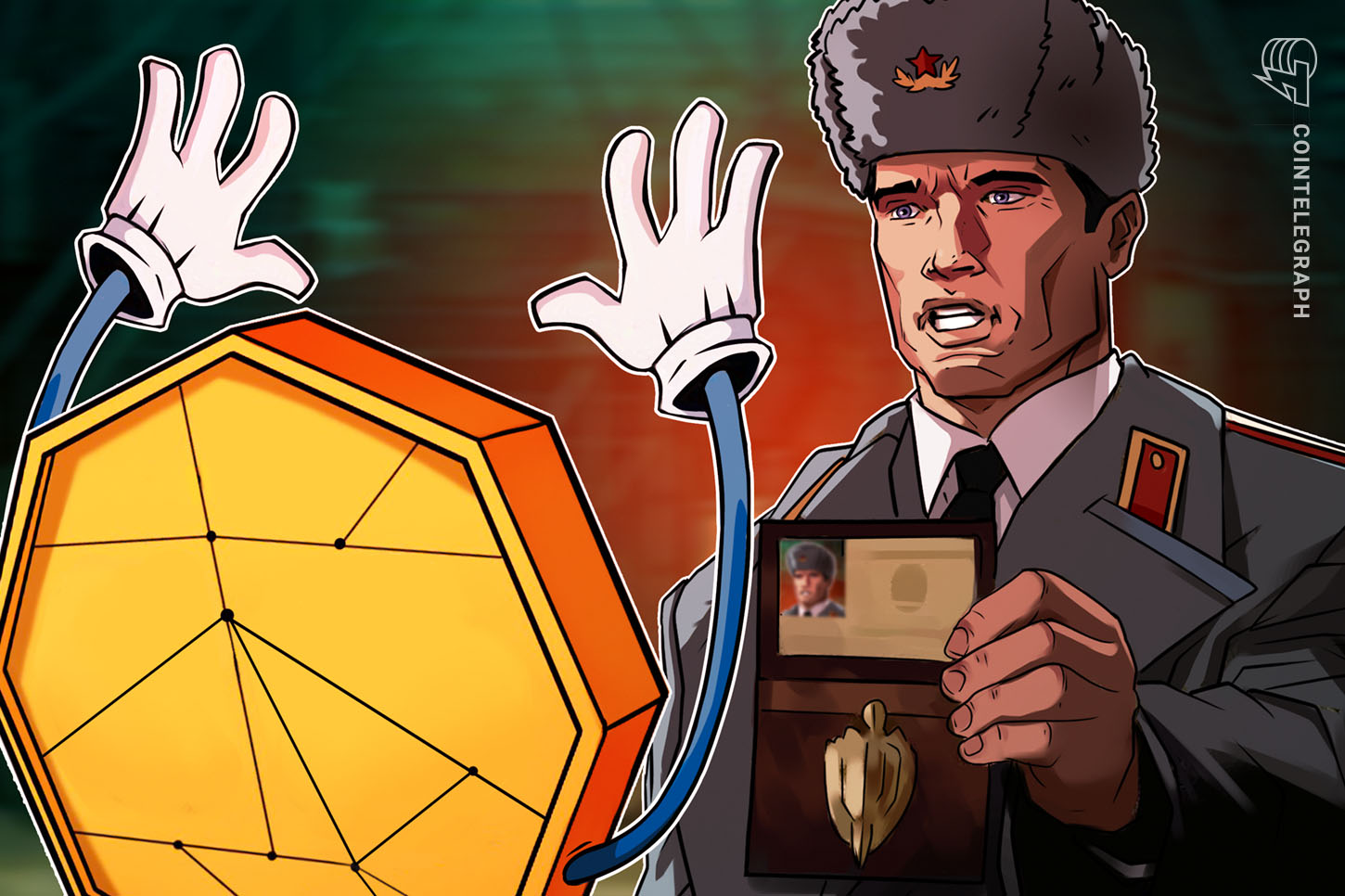
In a significant move underscoring the escalating global crackdown on unregulated digital asset platforms, Russian authorities, spearheaded by the Federal Security Service (FSB), have announced the closure of nine unregistered cryptocurrency exchanges operating within Moscow City. The allegations accompanying this action are particularly severe, suggesting these platforms facilitated the illicit transfer of scam proceeds abroad, specifically citing links to Ukrainian call centers. From a Senior Crypto Analyst's perspective, this operation is not merely a localized regulatory enforcement; it is a multi-layered statement reflecting Russia's intensifying control over its financial borders, its ongoing struggle against financial crime, and critically, the pervasive geopolitical tensions that now permeate even the digital finance landscape.
The Details of the Crackdown: Unregistered, Untraceable, and Allegedly Unlawful
The core of the FSB's justification for these closures lies in the "unregistered" status of the exchanges. In virtually every regulated jurisdiction, operating a financial services entity, especially one dealing with potentially volatile and easily transferable assets like cryptocurrencies, without proper licensing is a severe offense. Unregistered platforms inherently lack the transparency and oversight mechanisms (such as Know Your Customer/Anti-Money Laundering protocols) that legitimate financial institutions are mandated to uphold. This makes them fertile ground for illicit activities, including money laundering, terrorist financing, and, as alleged in this case, the movement of funds derived from scams. The specific mention of Moscow City, Russia's premier financial hub, emphasizes the authorities' commitment to sanitizing even the most sophisticated financial environments within the country. The scale of the operation—nine simultaneous closures—suggests a coordinated effort to dismantle a network rather than isolated incidents, pointing to a systemic issue rather than isolated bad actors.
Russia's Evolving Stance on Cryptocurrency: Control as the Guiding Principle
Russia's relationship with cryptocurrencies has historically been characterized by skepticism and a strong desire for control. Initially, there were discussions of outright bans, with digital assets often labeled as "money surrogates." However, pragmatic considerations, especially in light of international sanctions and the need for alternative financial channels, have led to a more nuanced approach. While the Central Bank remains wary of widespread domestic adoption, the Ministry of Finance and other bodies have explored ways to leverage cryptocurrencies for cross-border trade, particularly with friendly nations. Yet, this pragmatism comes with a firm caveat: any crypto activity within Russia must be strictly regulated and monitored. Unregistered exchanges represent a direct challenge to this principle, creating blind spots in the financial system that authorities simply cannot tolerate, especially in the current geopolitical climate. This crackdown reinforces the message that while crypto may have a place in Russia's future, it will be on the state's terms, with full compliance and traceability and no room for opacity.
The Geopolitical Dimension: Ukrainian Call Centers and National Security
Perhaps the most salient and concerning aspect of the FSB's announcement is the allegation linking the scam proceeds to "Ukrainian call centers" that then moved funds abroad. This explicitly introduces a national security dimension to what might otherwise be viewed solely as a financial crime bust. In the context of the ongoing conflict, Russian authorities likely view any financial outflow, particularly one linked to an adversary nation, with extreme suspicion. Such channels could potentially be used for capital flight, sanctions circumvention by individuals or entities, or even to fund activities deemed hostile to Russian interests. The insinuation is that these unregistered exchanges were not just facilitating generic scams but were inadvertently or intentionally becoming conduits for funds that could benefit an opposing side. This elevates the regulatory action to a matter of state security, emphasizing the dual-use nature of digital assets – innovation on one hand, and a potential tool for geopolitical maneuvering or conflict financing on the other. It highlights how even seemingly localized financial enforcement can be deeply intertwined with broader international relations and national defense strategies.
Implications for Crypto Users and the Broader Market
For crypto users in Russia, this crackdown serves as a stark warning about the perils of engaging with unregistered platforms. Such entities offer little to no consumer protection, operate entirely outside the legal framework, and can disappear overnight, taking user funds with them. The risk of being an unwitting participant in illicit financial activities is also significant, potentially leading to legal repercussions. Legitimate crypto businesses and projects operating within Russia, or those considering entry, will likely view this as a necessary, albeit harsh, cleansing of the market. It reinforces the paramount importance of robust compliance frameworks (KYC/AML) and the need to operate within established legal boundaries. While short-term market sentiment in Russia might be cautious, in the long run, such actions can help build a more trustworthy and sustainable crypto ecosystem by weeding out bad actors and fostering an environment where legitimate businesses can thrive without fear of association with illicit operations.
Global Resonance: A Pattern of Intensified Regulatory Scrutiny
Beyond Russia's borders, this event resonates with a global trend of intensified regulatory scrutiny over the crypto sector. Jurisdictions worldwide are grappling with how to effectively regulate digital assets, combat illicit finance, and protect consumers without stifling innovation. From the U.S. to Europe to Asia, authorities are increasing enforcement actions against non-compliant entities, recognizing that the decentralized nature of crypto does not equate to an absence of accountability. The Russian crackdown adds another data point to the argument that the "Wild West" era of cryptocurrency is definitively over. It signals that governments are becoming increasingly sophisticated in tracing and disrupting illicit crypto flows, often leveraging international cooperation and advanced analytics. This puts immense pressure on all crypto exchanges, regardless of their location, to ensure robust compliance and transparency, not just for financial crime but potentially for national security concerns, solidifying the idea that the regulatory net is tightening globally.
Outlook: Tighter Controls and the Quest for a 'Regulated' Digital Future
Looking ahead, we can anticipate Russia to double down on its efforts to bring all digital asset activities under strict state control. This might involve the development of a fully nationalized digital ruble, tighter controls on foreign exchanges accessible to Russian citizens, and continued aggressive enforcement against any entity operating outside the established legal framework. The balance between harnessing the potential benefits of digital assets and mitigating their inherent risks, particularly those related to illicit finance and geopolitical threats, will remain a central challenge for Moscow. For the global crypto industry, the message is clear: compliance is not merely a recommendation but a fundamental requirement for survival and legitimate growth. The age of unchecked decentralized finance is rapidly giving way to an era where sovereign states assert their authority over digital economic activities, making events like this in Moscow a crucial barometer of the evolving global financial landscape and a precedent for future regulatory actions across the globe.