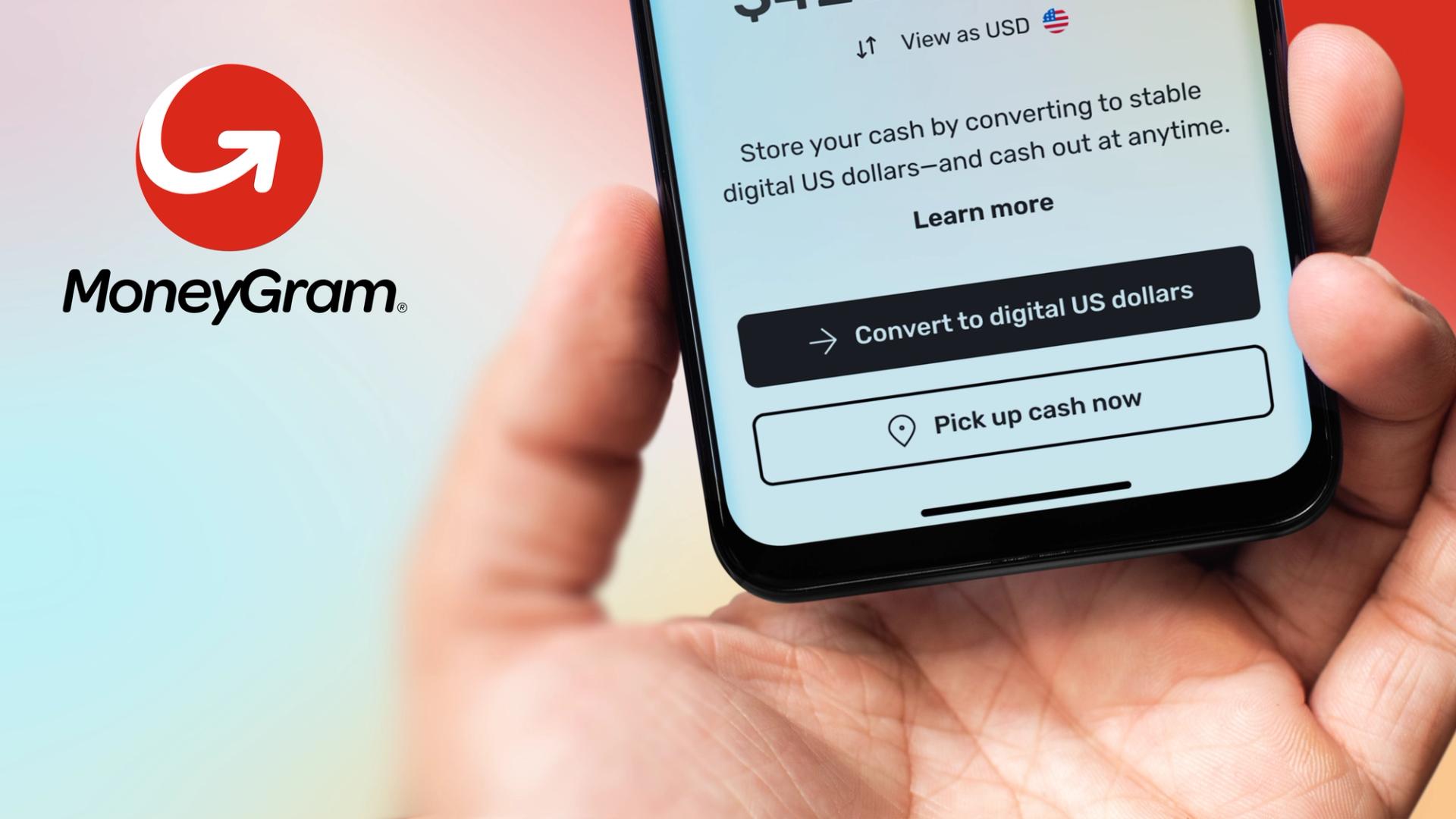
MoneyGram's Solana Leap: A Game-Changer for Global Remittances and Stablecoin Adoption
MoneyGram, a stalwart in the traditional remittances landscape, has made a pivotal move, solidifying its commitment to the future of digital finance by joining the Solana blockchain as a validator. This strategic integration is not merely a technical upgrade; it represents a significant deepening of MoneyGram's stablecoin payment strategy, heralding a potential paradigm shift in how cross-border transactions are processed and secured. As a Senior Crypto Analyst, I view this development as a potent signal of mainstream financial institutions recognizing the intrinsic value and operational efficiencies offered by high-performance blockchain networks. This article will delve into the multifaceted implications of MoneyGram's embrace of Solana, dissecting the rationale, the benefits for both entities, and the broader ramifications for the global remittance market and the stablecoin ecosystem.
MoneyGram's Strategic Imperative: The Stablecoin Push
For decades, MoneyGram has facilitated critical financial lifelines for millions, enabling individuals to send and receive money across borders. However, the traditional remittance model often faces high fees, slow settlement, and complexities. Stablecoins, digital assets pegged to fiat currencies, offer a compelling alternative by bypassing legacy hurdles, promising near-instantaneous transfers at a fraction of the cost. Becoming a Solana validator is a logical progression of this strategy. It grants MoneyGram direct participation in the network's security and transaction processing, moving beyond merely utilizing the network to actively contributing to its integrity. This deepens their ownership stake in the underlying infrastructure, providing greater control, reliability, and potentially influencing future protocol developments aligned with their business needs.
Solana: The Preferred Blockchain for Institutional Scalability
MoneyGram's choice of Solana is particularly telling. Known for its high throughput, low transaction costs, and impressive speed, Solana stands out as one of the few layer-1 blockchains capable of handling institutional-grade transaction volumes. Its technical architecture, featuring a proof-of-history consensus mechanism coupled with proof-of-stake, allows it to process tens of thousands of transactions per second (TPS) with finality measured in seconds. For a company like MoneyGram, which operates at a global scale and requires robust, low-latency infrastructure, Solana offers a compelling value proposition. As a validator, MoneyGram will now play an active role in verifying transactions, maintaining the network's state, and participating in the consensus process. This involvement not only strengthens Solana's decentralization and security profile by adding another significant, reputable entity to its validator set but also brings valuable real-world use case insight from a traditional financial services giant directly into the blockchain's operational framework. This mutual synergy reinforces Solana's position as a leading contender for enterprise blockchain adoption.
The Role of a Validator: More Than Just a User
Understanding the significance of MoneyGram's move requires a brief explanation of what it means to be a validator. In a Proof-of-Stake (PoS) blockchain like Solana, validators are crucial nodes that secure the network by verifying transactions, proposing new blocks, and participating in the consensus mechanism. They stake a certain amount of the native cryptocurrency (SOL) as collateral, incentivizing honest behavior. By becoming a validator, MoneyGram invests directly in the operational backbone of Solana. This isn't just about sending stablecoin payments; it's about helping to process and secure the very transactions that make those payments possible. This commitment signifies a deep technical and financial integration, demonstrating confidence not only in Solana's technology but also in the long-term viability of stablecoin-powered remittances. It's a leap from being a consumer of blockchain services to being a core contributor.
Broader Implications: TradFi, DeFi, and the Future of Remittances
MoneyGram's validation on Solana is symptomatic of a larger trend: the accelerating convergence of traditional finance (TradFi) and decentralized finance (DeFi). As institutions seek greater efficiency, transparency, and global reach, blockchain technology, particularly stablecoins, offers a compelling solution. This move could inspire other established financial players to explore similar integrations, fostering a more interconnected global financial ecosystem. The remittance market, valued at hundreds of billions annually, is ripe for disruption. By slashing fees and accelerating transfer times, blockchain-based solutions like MoneyGram's stablecoin initiatives could significantly benefit migrant workers and their families, ensuring more of their hard-earned money reaches its intended recipients. This also legitimizes the broader crypto space in the eyes of regulators and the general public, showcasing concrete, impactful use cases beyond speculative trading.
Navigating Challenges and Future Outlook
While the potential upsides are substantial, challenges remain. Regulatory clarity around stablecoins and blockchain operations continues to evolve globally, requiring MoneyGram to navigate a complex and often fragmented legal landscape. Technical integration, while underway, demands robust security measures and ongoing maintenance. Furthermore, competition from other blockchain-based remittance solutions and even traditional fintech players remains fierce. However, MoneyGram’s proactive stance positions it favorably. By embedding itself directly into a leading blockchain network, it gains a strategic advantage in influencing the future direction of digital payments. This move sets a precedent, indicating that the future of global money movement will likely be a hybrid model, blending the reliability and trust of established financial brands with the efficiency and innovation of decentralized technologies. We can expect to see further innovations and perhaps even new product offerings emerge from this deeper collaboration, potentially reshaping the very definition of cross-border finance.
Conclusion
MoneyGram's decision to become a Solana validator is a landmark event, underscoring a strategic commitment to leveraging blockchain technology and stablecoins for its core business. It’s a powerful validation of Solana's capabilities and a testament to the transformative potential of decentralized networks in modern finance. For MoneyGram, it promises greater efficiency, security, and a competitive edge in the evolving remittance market. For Solana, it brings invaluable institutional backing and real-world utility. As the lines between traditional and decentralized finance continue to blur, this partnership serves as a compelling blueprint for how established enterprises can not only adapt but thrive in the rapidly digitalizing global economy, ultimately benefiting consumers with faster, cheaper, and more reliable ways to send money across borders.