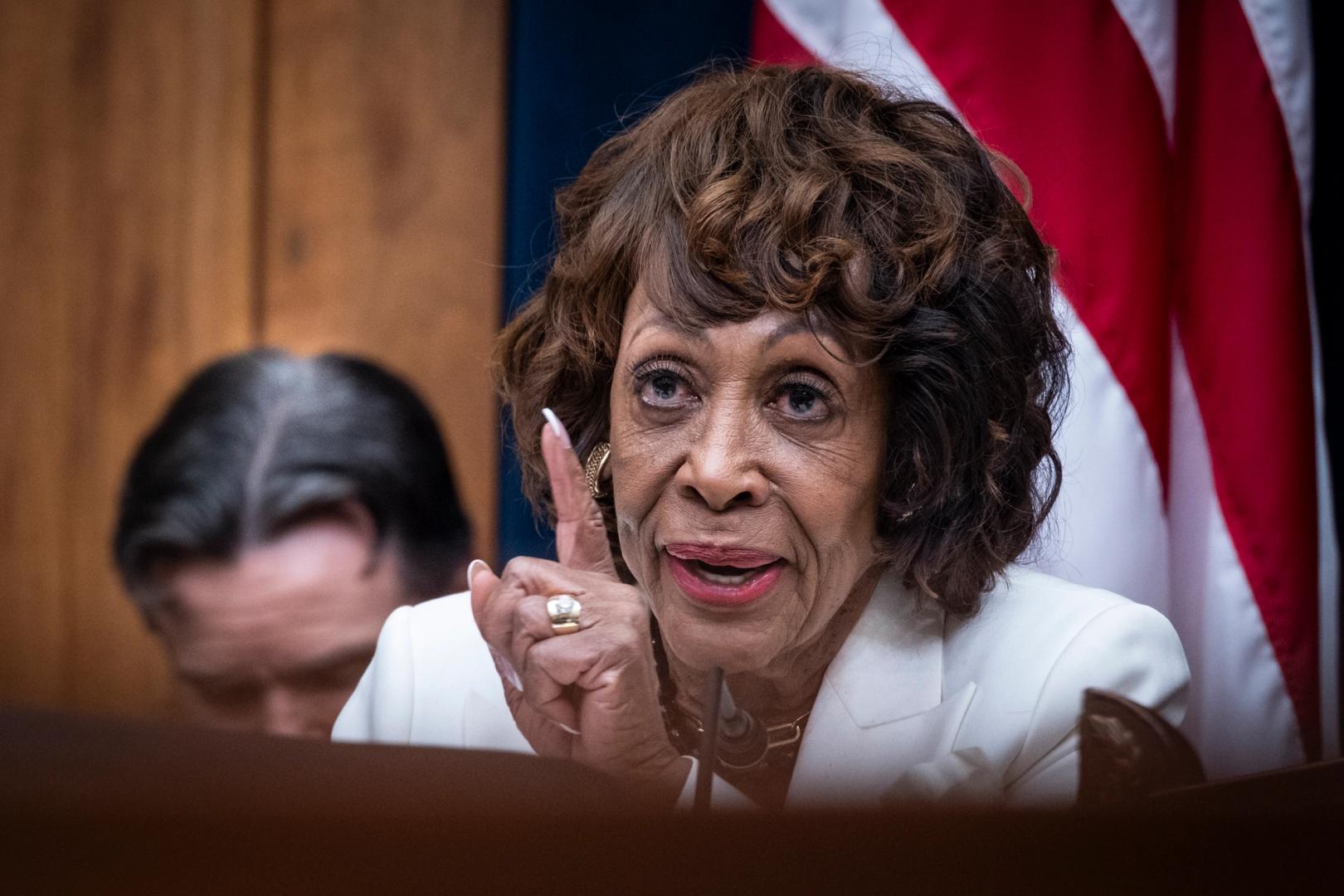
In a significant move that reverberates through the digital asset ecosystem, Representative Maxine Waters, the ranking Democrat on the powerful House Financial Services Committee, has publicly urged the Department of Labor (DoL) to withdraw its proposal concerning alternative assets in 401(k) plans. Her condemnation, specifically aimed at the inclusion of cryptocurrencies, sends a potent signal from a key legislative figure whose influence on financial policy could profoundly shape the trajectory of crypto integration into mainstream financial products, especially if she were to assume the committee's chair.
Waters' Stance and the DoL's Dilemma
The Department of Labor, guardian of American workers' retirement savings, had previously issued guidance warning fiduciaries against offering direct cryptocurrency investments in 401(k)s. This guidance, while not an outright ban, created a chilling effect, rooted in ERISA's mandate for "prudent" investments. Waters' intervention escalates this, pressing for a complete withdrawal of any proposal that would even implicitly allow such assets. Her letter to the DoL chief highlights deep-seated apprehension regarding the suitability of digital assets for long-term retirement planning. She cited concerns over extreme price fluctuations, potential for market manipulation, and the often-complex, opaque nature of the crypto market. For a lawmaker with a strong focus on consumer protection, the perceived risks of exposing everyday Americans' retirement nest eggs to such volatility are clearly paramount, aligning with a broader segment of her party's regulatory philosophy.
Challenges for Mainstream Crypto Adoption
Representative Waters' forceful condemnation carries substantial weight, potentially influencing legislative initiatives concerning digital assets. For the crypto industry, this represents a significant hurdle. Mainstream adoption hinges on integration into regulated frameworks, and the multi-trillion-dollar 401(k) market is a critical frontier. A legislative or regulatory environment that discourages or prohibits crypto within these plans could significantly slow the inflow of institutional capital and restrict retail investors’ ability to gain exposure through familiar, tax-advantaged accounts. This isn't just about direct investment; it's about the broader signal sent to financial institutions contemplating offering crypto-related services and products.
The implications extend beyond just retirement accounts. Such a prominent voice advocating for severe restrictions could embolden other regulators and lawmakers to adopt a more restrictive stance across the entire crypto landscape. It reinforces the narrative that crypto is inherently too risky for average investors, potentially stifling innovation and delaying the development of clearer regulatory pathways.
Investor Protection vs. Financial Freedom
At its core, this debate pits the imperative of investor protection against the principle of financial freedom and diversification. Proponents of including cryptocurrencies in 401(k)s argue that plan participants, adequately informed of the risks, should have the autonomy to choose their investments. They point to crypto’s potential for high returns and diversification benefits, especially in an inflationary environment. Firms like Fidelity have already launched limited crypto exposure options in 401(k)s, demonstrating a perceived demand. From this perspective, an outright ban or excessive discouragement could be seen as paternalistic, denying investors the opportunity to participate in a burgeoning asset class. However, the unique risks of crypto, including cybersecurity vulnerabilities, lack of universally recognized valuation methodologies, and the potential for regulatory arbitrage, make fiduciaries cautious.
The Regulatory Road Ahead
Waters' firm stance is indicative of a broader regulatory philosophy gaining traction within certain political circles. It suggests a preference for a cautious, even restrictive, approach until a comprehensive regulatory framework is fully established and proven effective. This perspective often contrasts sharply with those who advocate for innovation-friendly regulation that allows the market to mature organically under lighter oversight. The Department of Labor now faces significant political pressure. Its response will be closely watched, signaling how willing government agencies are to navigate powerful legislative demands while balancing their protective mandate with market evolution and investor interest.
Conclusion
Maxine Waters' unequivocal condemnation of cryptocurrencies in 401(k)s marks a pivotal moment in the ongoing battle for mainstream crypto adoption. Her position as a senior Democrat and potential future committee chair elevates this issue beyond mere policy debate into a significant political challenge for the digital asset industry. While the arguments for investor protection are compelling, particularly concerning retirement savings, the counter-arguments for financial freedom, diversification, and the evolving nature of digital assets cannot be ignored. The DoL's ultimate decision will not only dictate the immediate future of crypto in retirement plans but will also serve as a barometer for the broader regulatory climate surrounding cryptocurrencies in the United States. Stakeholders across the crypto ecosystem must pay close attention, as these developments will undoubtedly shape the regulatory contours for years to come.