Introduction: A Jolt to Lightning Network Security
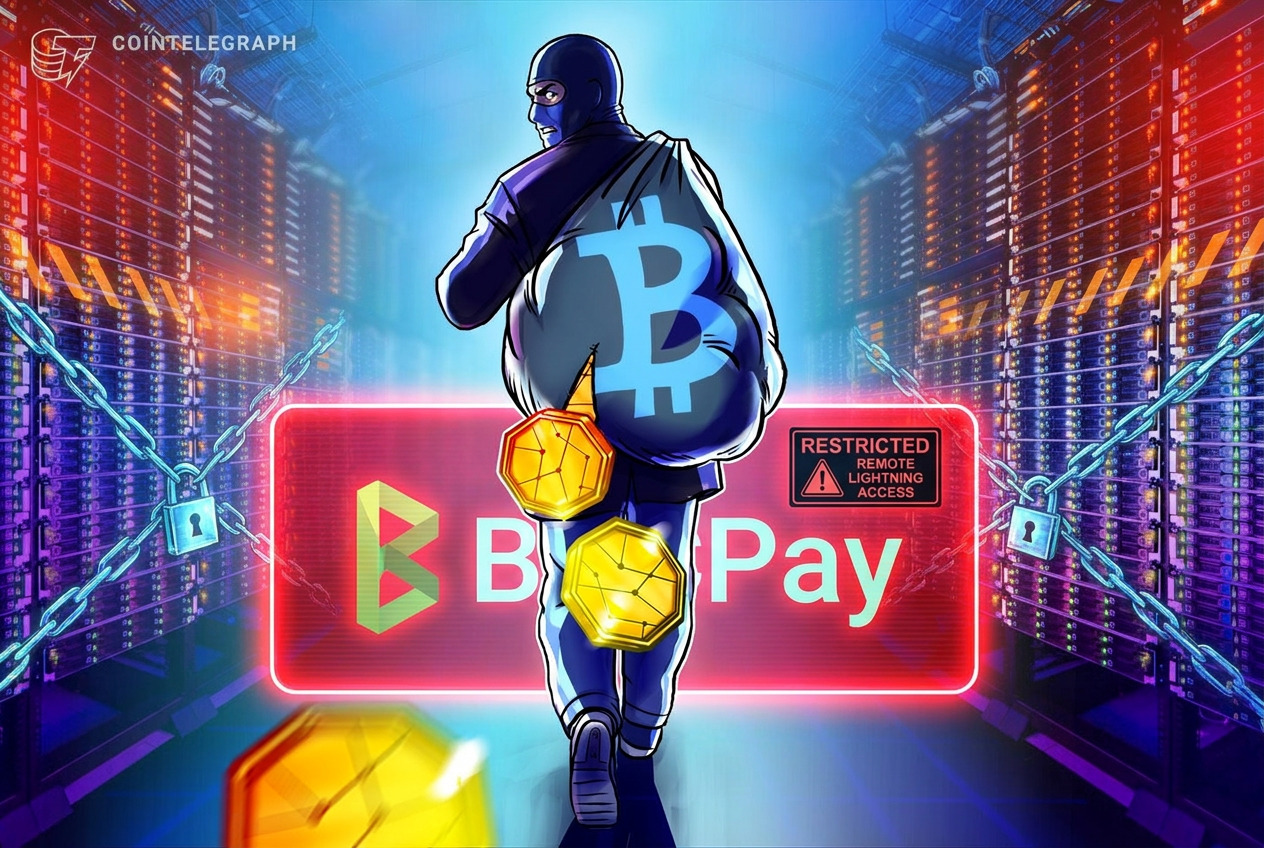
The burgeoning world of Bitcoin’s Lightning Network has been shaken by recent reports of drained nodes, prompting BTCPay Server, a widely-used open-source payment processor, to take immediate and decisive action. In a move aimed at safeguarding user funds, BTCPay Server has restricted remote access to Lightning Network nodes, acknowledging incidents where attackers successfully stole funds from operators. While the full extent of the damage – including the total amount stolen and the number of affected operators – remains undisclosed, the involvement of entities like the Foundation and Citadel21 highlights the gravity of the situation and underscores a critical moment for operational security within the Lightning ecosystem.
Understanding the Lightning Network and Its Vulnerabilities
The Lightning Network (LN) is a layer-2 protocol built on top of Bitcoin, designed to facilitate near-instant, low-cost transactions at scale. It operates through payment channels established between users, allowing multiple transactions to occur off-chain before the final net balance is settled on the main Bitcoin blockchain. This design greatly enhances Bitcoin's utility for everyday payments but introduces new vectors for potential security challenges distinct from the underlying Bitcoin protocol itself.
The reported thefts are not indicative of a flaw in Bitcoin's core protocol, but rather point to vulnerabilities at the implementation or operational level of Lightning node management. Remote access, while offering convenience for managing nodes from various locations, inherently expands the attack surface. Potential vectors could include:
- Compromised Remote Access Credentials: Weak passwords, reused credentials, or phishing attacks granting unauthorized access to the node's operating environment.
- Software Vulnerabilities: Exploits in the remote access software itself, the Lightning node implementation (e.g., LND, c-lightning), or BTCPay Server's integration.
- Insecure Network Configurations: Poorly secured VPNs, open ports, or misconfigured firewalls exposing the node to external threats.
- Social Engineering: Tricking node operators into revealing sensitive information or installing malicious software.
The fact that funds were 'drained' suggests that attackers gained control sufficient to initiate and broadcast channel closures or spend directly from the node's hot wallet, emphasizing the critical importance of protecting the private keys associated with active channels and the node's on-chain funds.
BTCPay Server's Proactive Stance: A Necessary Trade-off
BTCPay Server's decision to restrict remote Lightning access is a significant, albeit inconvenient, measure. It reflects a proactive approach to risk mitigation, prioritizing security over convenience in the face of active threats. For many merchants and individuals utilizing BTCPay Server to accept Bitcoin and Lightning payments, remote access is crucial for seamless management. This restriction will undoubtedly impact operational workflows, potentially requiring users to manage their nodes directly from the host machine or through more secure, localized methods.
From an analyst's perspective, this move, while disruptive, is commendably responsible. It serves as a stark warning and compels users to re-evaluate their security postures. It also highlights the ongoing maturation of the Lightning Network ecosystem, where early adoption often involves a learning curve regarding best security practices for a complex, always-online system.
Broader Implications for the Lightning Network Ecosystem
This incident carries several implications for the broader Lightning Network and its stakeholders:
- Trust and Perception: While not a protocol-level hack, such incidents can erode trust, especially among less technically savvy users. Clear communication and robust post-incident analysis are vital to maintain confidence.
- Operational Security (OpSec) Emphasis: This will likely catalyze a renewed focus on OpSec best practices for all Lightning node operators. The convenience of remote access must be weighed against its inherent risks.
- Developer Response: The incident may spur further development of more secure remote management solutions, potentially involving multi-party computation (MPC), hardware security modules (HSMs) integration, or enhanced authentication protocols.
- User Education: There's an urgent need for enhanced educational resources on secure node deployment, monitoring, and recovery strategies.
It's crucial to differentiate between vulnerabilities in the Lightning protocol itself and those arising from specific implementations or operational choices. The Lightning Network is still a relatively young technology, and incidents like these, while unfortunate, are part of the process of identifying weak points and strengthening the overall system.
Recommendations from a Senior Crypto Analyst
For BTCPay Server users and Lightning node operators, immediate action is paramount:
- Review and Restrict Remote Access: If you use remote access for your Lightning node, immediately review your setup. Consider disabling it temporarily or reconfiguring it with the strictest possible security measures (e.g., IP whitelisting, strong VPNs, multi-factor authentication, non-standard ports).
- Strengthen Credentials: Ensure all access points (SSH, RPC, web interfaces) are secured with unique, strong passwords and, where available, two-factor authentication.
- Isolate Funds: Avoid keeping excessively large amounts of funds in your hot wallet on the Lightning node. Regularly sweep larger balances to more secure cold storage solutions.
- Update Software: Keep your Lightning node software, BTCPay Server, and operating system up-to-date to patch known vulnerabilities.
- Monitor Logs: Regularly review your node and server logs for any suspicious activity or unauthorized access attempts.
- Consider Hardware Wallets/HSMs: Explore integrating hardware security modules (HSMs) or hardware wallets for securing node funds, even if it adds complexity.
- Backup and Recovery: Ensure you have robust, encrypted backups of your channel states and seed phrases, and a well-tested recovery plan.
This incident serves as a stark reminder that self-custody on decentralized networks comes with significant responsibility. The onus is on the individual or organization to implement robust security measures commensurate with the value of the assets being managed.
Conclusion: A Call for Vigilance and Resilience
The BTCPay Server incident, while unsettling, is not an indictment of the Lightning Network’s fundamental design, but rather a critical lesson in operational security and the perpetual cat-and-mouse game against attackers. The swift response from BTCPay Server underscores the community's commitment to security and resilience. As the Lightning Network continues its vital role in scaling Bitcoin, such events will inevitably shape its evolution, driving the development of more robust security tools, better user education, and more resilient operational practices. Vigilance, continuous learning, and an unwavering commitment to best security practices will remain the cornerstones of safe participation in this dynamic ecosystem.