A New Era at the Fed? Warsh's Confirmation and the Digital Asset Landscape
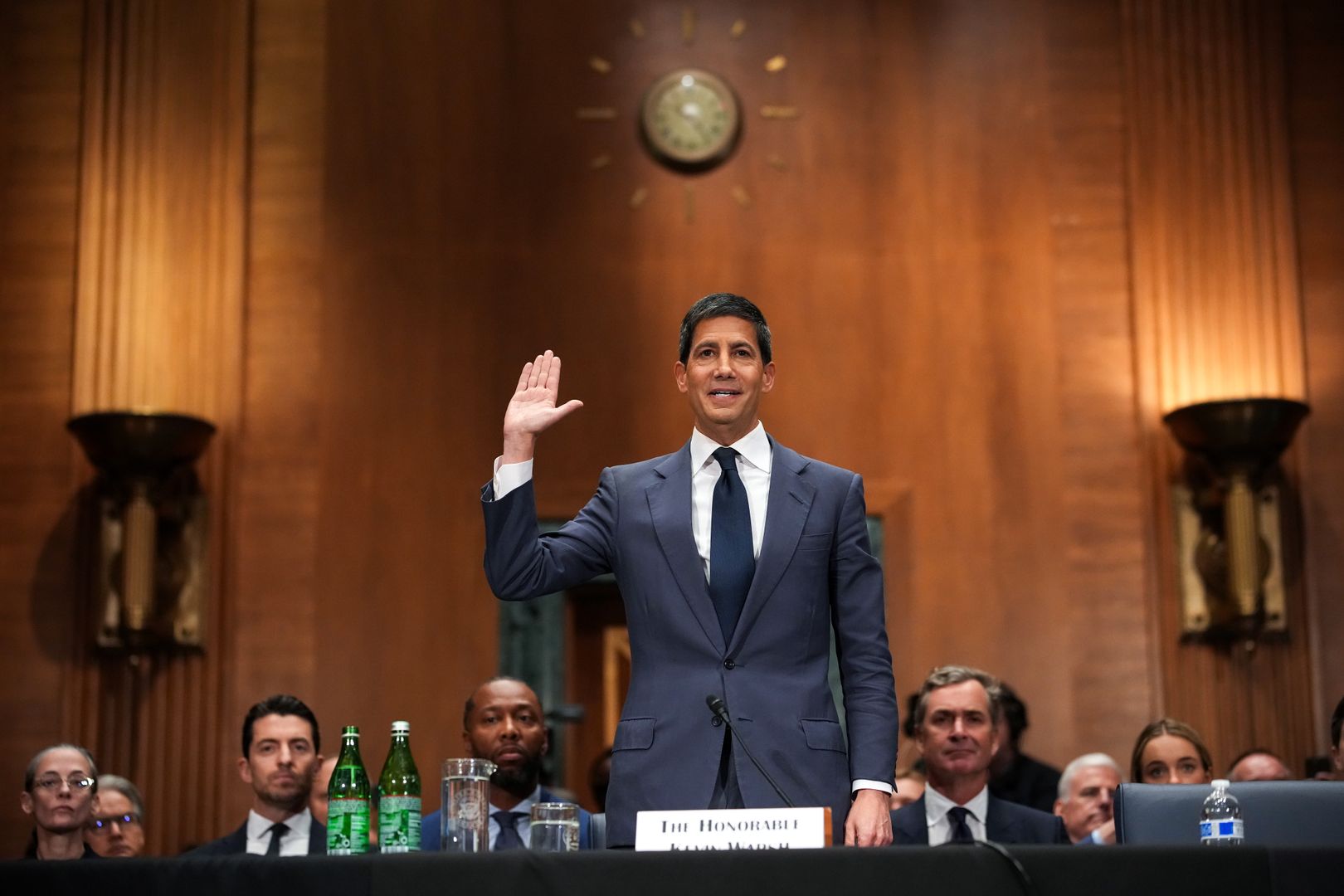
The United States Senate has confirmed Kevin Warsh to the Federal Reserve board, a move that reverberates far beyond traditional monetary policy circles. This confirmation isn't just another appointment; it positions a distinctly 'crypto-linked investor' within the highest echelons of U.S. financial leadership, potentially as a successor to Chairman Jerome Powell. At a time when inflation concerns dominate economic discourse and the regulatory future of digital assets remains fluid, Warsh's presence signals a pivotal shift, bringing a deeper understanding of the nascent crypto economy into the Fed's critical deliberations.
Warsh, a former Federal Reserve Governor from 2006 to 2011, brings a robust resume of experience through challenging financial periods, including the 2008 global financial crisis. His return to the Fed is notable for several reasons, not least his public association with the digital asset space. While the specifics of his 'crypto-linked' investments or advisory roles are not always publicly detailed, this descriptor alone sets him apart from many of his peers in traditional finance. It implies an engagement with, and likely an appreciation for, the technological innovations and potential disruptions that blockchain and cryptocurrencies represent, an understanding often lacking in policymaking circles.
Monetary Policy in Focus: Inflation, Rates, and Crypto Sensitivity
Warsh’s previous tenure and public statements often paint him as a proponent of sound money and a skeptic of overly expansive monetary policy. His return to the board comes as the Fed grapples with persistent inflation, a challenge that has seen it embark on aggressive interest rate hikes. Given his background, Warsh is widely expected to lean towards a more hawkish stance, advocating for a firm hand in taming price surges. For the crypto market, traditionally sensitive to liquidity conditions, this could imply continued headwinds. Higher interest rates typically increase the cost of capital, making speculative assets, including cryptocurrencies, less attractive compared to less risky, yield-bearing alternatives. His influence on the board could reinforce a commitment to disinflationary policies, which, while beneficial for long-term economic stability, may introduce short-to-medium term volatility for digital assets accustomed to an era of abundant cheap money.
Digital Asset Policy: Navigating Innovation and Regulation
Perhaps the most intriguing aspect of Warsh's confirmation, particularly for the crypto community, is the potential for a more informed and nuanced approach to digital asset policy. His 'crypto-linked' background suggests he possesses a foundational understanding of blockchain technology, decentralized finance (DeFi), stablecoins, and the broader digital asset ecosystem. This stands in stark contrast to previous eras where regulatory bodies often treated crypto with skepticism born of unfamiliarity or an almost exclusive focus on perceived risks.
With Warsh on the board, discussions surrounding a potential U.S. Central Bank Digital Currency (CBDC), stablecoin regulation, and the broader integration of digital assets into the financial system could evolve. Rather than reactive or prohibitive measures, there is potential for a more strategic framework that balances consumer protection and financial stability with fostering innovation. A Fed board member with a direct understanding of crypto could push for clearer guidelines, facilitate collaboration between regulators and industry, and even champion initiatives that cement the U.S.'s position as a leader in digital finance, rather than lagging behind other global powers. This is not to say he would be an outright 'crypto advocate' in the sense of promoting specific assets, but rather an informed voice capable of crafting policy that recognizes both the transformative potential and inherent challenges of the space.
The Chairmanship Question: A Paradigm Shift for Crypto Integration?
The source context explicitly notes Warsh's positioning as a potential replacement for Jerome Powell as Fed Chair. If this were to materialize, it would represent a monumental shift. A Fed Chair with a deep, practical understanding of digital assets could redefine how the U.S. central bank approaches everything from monetary policy implementation to systemic risk assessment in a digital age. Such a leader could accelerate the development of regulatory sandboxes, promote interoperability between traditional and digital finance, and perhaps even influence the Fed's stance on incorporating digital asset data into its broader economic models.
For the crypto industry, the prospect of a crypto-literate Fed Chair is a double-edged sword. On one hand, it offers unprecedented legitimacy and the potential for a more streamlined, predictable regulatory environment. On the other, increased understanding often leads to more sophisticated, and potentially stringent, oversight as policymakers identify and address novel risks. Regardless, Warsh at the helm would undeniably elevate digital assets from a niche concern to a central component of national financial strategy.
Market Implications and Future Outlook
The crypto market's reaction to Warsh's confirmation will likely be mixed, reflecting the dual nature of his potential impact. His hawkish leanings on inflation could be viewed bearishly in the short term, especially if the Fed continues its aggressive tightening cycle. However, the long-term implications of having a 'crypto-linked' individual in a position of such profound influence could be overwhelmingly positive for the industry. It signals a move towards greater institutional recognition and potentially, a more robust and clear regulatory framework essential for mainstream adoption.
Kevin Warsh's confirmation to the Fed board is more than a political appointment; it's a strategic placement at a critical juncture for both traditional finance and the burgeoning digital asset economy. His presence guarantees that the ongoing debates around inflation and digital asset policy will be informed by a unique perspective, one that understands the intricacies of both established economic principles and disruptive technological innovation. The crypto world watches with keen interest, recognizing that a significant voice has just gained a seat at the most powerful financial table.