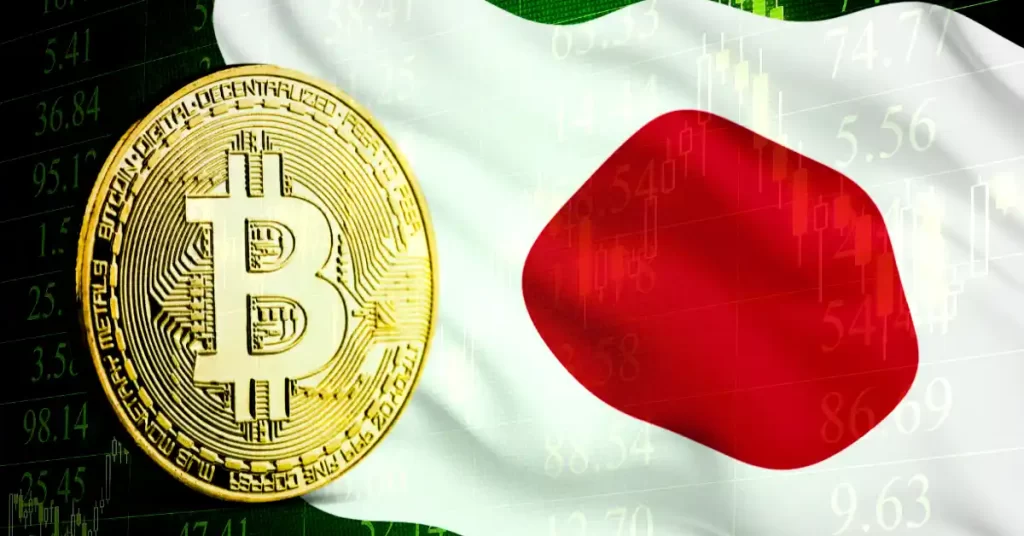
Japan's Bold Bitcoin ETF Ambition: A $20 Billion Gateway to Crypto Mainstream by 2028
In a move set to reverberate across global financial markets, Japan, a long-standing economic powerhouse, is strategically positioning itself to launch its first spot Bitcoin Exchange-Traded Fund (ETF) by 2028. This ambitious timeline, coupled with a potential influx of $20 billion into the crypto ecosystem, underscores a profound shift in how leading nations view and integrate digital assets into their traditional financial frameworks. As a Senior Crypto Analyst, I view this not merely as a regulatory update but as a landmark development, indicative of Bitcoin's irreversible march towards mainstream legitimacy and institutional embrace.
The impetus behind this significant stride is Japan's progressive government, which has officially begun preparations for a spot Bitcoin ETF. This initiative is anchored by recent legislative advancements, notably the approval of a new law that formally recognizes cryptocurrencies as legitimate financial assets. This foundational legal recognition is now paving the way for regulators to update existing investment fund rules, meticulously crafting the regulatory scaffolding required for safe and compliant crypto investment products. This methodical approach highlights Japan's commitment to fostering innovation while simultaneously ensuring investor protection and market integrity, a balance often sought but rarely achieved with such clarity in nascent asset classes.
A Progressive Regulatory Foundation Sets the Stage
Japan's journey towards a Bitcoin ETF stands in stark contrast to the often-hesitant or reactive stances observed in other jurisdictions. By first establishing cryptocurrencies as financial assets, Japan has laid a robust legal bedrock that inherently de-risks the integration of these assets into traditional investment vehicles. This proactive regulatory framework is crucial, providing clarity for financial institutions, fund managers, and potential investors. It eliminates much of the ambiguity that has plagued crypto adoption elsewhere, offering a blueprint for how a developed nation can thoughtfully and strategically embrace digital finance. This measured, five-year lead time also grants regulators ample opportunity to develop comprehensive guidelines, risk management protocols, and surveillance mechanisms to safeguard against market manipulation and ensure a stable investment environment.
The anticipated updating of investment fund rules will likely encompass provisions for custody solutions, valuation methodologies, liquidity requirements, and disclosure standards specifically tailored for digital assets. Such a detailed regulatory architecture will not only ensure the integrity of the proposed Bitcoin ETFs but also set a high bar for other nations considering similar moves. Japan's historical position as a leader in technological adoption and financial innovation suggests that its framework could serve as an influential model, particularly for other Asian economies navigating their own crypto regulatory pathways.
Unlocking $20 Billion: The Economic Impact and Capital Inflow
The projection of $20 billion potentially flowing into a Japanese spot Bitcoin ETF is a staggering figure that cannot be overstated. This estimate likely factors in a conservative percentage of assets under management from Japanese institutional investors, pension funds, corporate treasuries, and even a segment of the nation's highly sophisticated retail investor base. For context, this sum represents a substantial boost to Bitcoin's overall market capitalization and liquidity, especially considering the current global market dynamics. While the US spot Bitcoin ETFs saw record-breaking initial inflows, a sustained $20 billion over several years from a major economy like Japan would signal an even deeper, more diversified institutional commitment to Bitcoin as a legitimate portfolio allocation.
This capital infusion would not only bolster Bitcoin's price stability but also enhance its global legitimacy. The participation of Japanese institutional capital, known for its conservative and long-term investment strategies, would send a powerful message to global asset managers still on the sidelines. It signifies a maturation of the asset class, moving beyond speculative retail interest to serious, professionally managed capital. The diversification of capital sources across different geopolitical regions also mitigates single-market risks and contributes to a more resilient and globally integrated Bitcoin market.
Broadening Bitcoin's Reach: Institutional and Retail Implications
A spot Bitcoin ETF in Japan would dramatically broaden access to Bitcoin for a wide spectrum of investors. For institutional players, it provides a regulated, familiar wrapper that fits seamlessly into existing investment mandates and compliance frameworks. Pension funds, mutual funds, and wealth management firms that are currently restricted from directly holding cryptocurrencies would suddenly have a compliant avenue to gain exposure. This is critical for asset allocators seeking diversification or inflation hedging properties that Bitcoin is increasingly recognized for.
For retail investors, an ETF offers a simplified, secure, and regulated pathway to invest in Bitcoin without the complexities and risks associated with direct cryptocurrency purchases, self-custody, or navigating nascent exchanges. This removes significant barriers to entry for millions, potentially unlocking a new wave of retail adoption from a demographic that values traditional financial product structures. The transparency and oversight inherent in an ETF structure also provide an added layer of investor confidence, addressing common concerns about security and regulatory compliance in the crypto space.
Navigating the Path to 2028: Challenges and Opportunities
While the prospect of a Japanese Bitcoin ETF by 2028 is exciting, the five-year timeframe presents both opportunities and challenges. On the opportunity front, this extended period allows for a meticulous development of regulatory frameworks, industry infrastructure, and investor education. It grants Japan the advantage of learning from the experiences, both positive and negative, of other nations that have launched or are considering crypto ETFs.
However, the crypto landscape is notoriously dynamic. Potential challenges include unforeseen market volatility, evolving global regulatory standards, advancements in blockchain technology that could necessitate further rule adjustments, and shifts in geopolitical sentiments towards digital assets. The Japanese financial authorities will need to remain agile and adaptive, ensuring their framework can accommodate future innovations while maintaining its core principles. Furthermore, investor education will be paramount to ensure that the risks associated with Bitcoin, despite being packaged in an ETF, are clearly understood.
Conclusion: A New Era for Japanese and Global Crypto Markets
Japan's determined pursuit of a spot Bitcoin ETF by 2028, backed by robust regulatory reforms and the potential to attract $20 billion in capital, represents a pivotal moment for both the nation and the global cryptocurrency market. This strategic move not only cements Bitcoin's status as a legitimate financial asset but also positions Japan at the forefront of digital asset integration. As a Senior Crypto Analyst, I foresee this development spurring further institutional adoption worldwide, catalyzing innovation in financial product development, and ultimately fostering a more mature, interconnected global financial ecosystem where digital assets play an increasingly integral role. The next few years will undoubtedly be crucial in shaping the specifics, but the direction is clear: Japan is paving a well-regulated path for Bitcoin's mainstream financial future.
Featured News Partner: Coinpedia News