A Pivotal Clarification Amidst Global Scrutiny
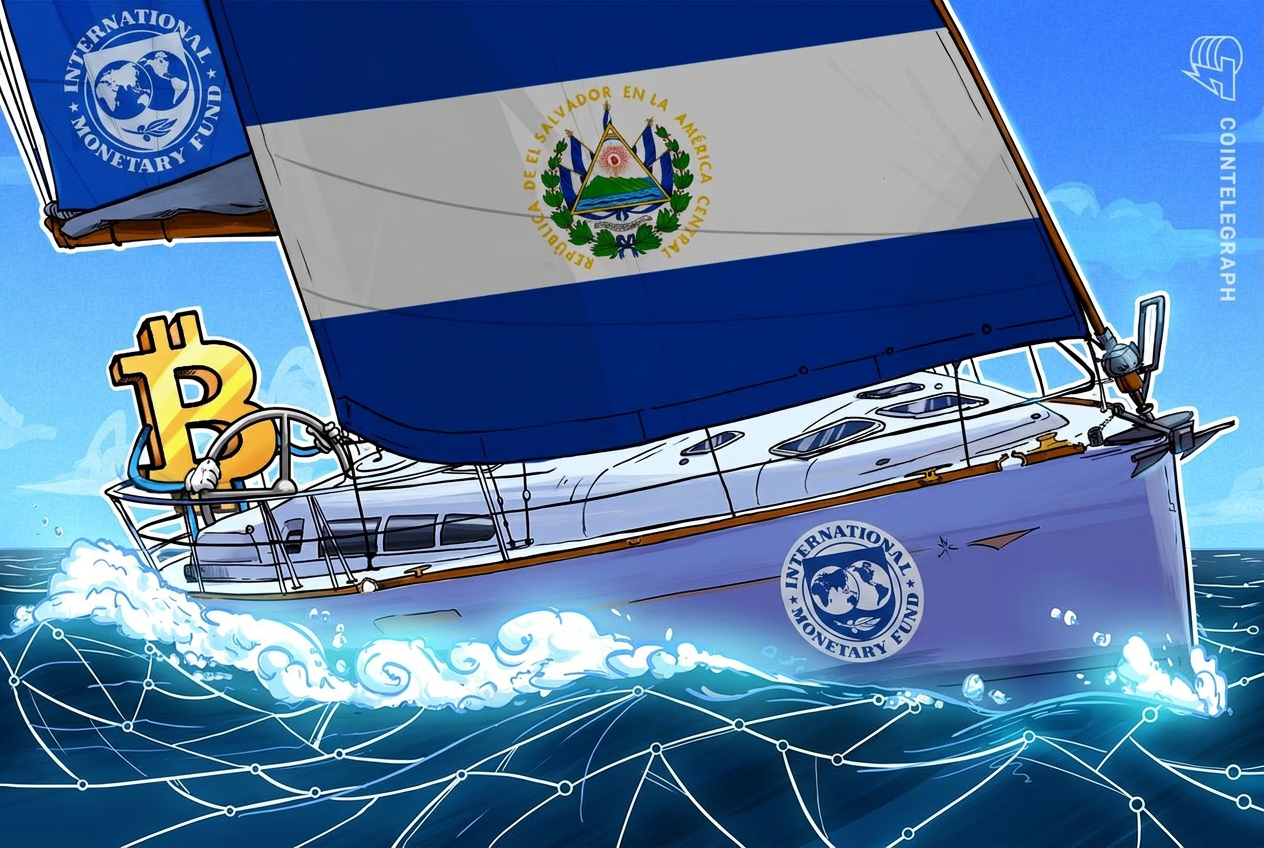
The International Monetary Fund (IMF) has issued a significant clarification regarding El Salvador's ongoing Bitcoin accumulation strategy, stating unequivocally that all Bitcoin added by the nation since June 2025 has been financed through private donations, not public funds. This announcement directly addresses a major point of contention and numerous questions that arose following El Salvador's reported substantial acquisition, including a prominent $100 million purchase, and offers a new dimension to the global discourse surrounding sovereign cryptocurrency adoption. As Senior Crypto Analyst, this update demands a deep dive into its implications for El Salvador, the broader crypto market, and international financial relations.
The IMF's Evolving Stance and El Salvador's Bold Vision
For several years, the IMF has maintained a cautious, often critical, posture towards El Salvador's decision to adopt Bitcoin as legal tender. Concerns have frequently been raised regarding potential risks to financial stability, consumer protection, the integrity of the financial system, and exposure to Bitcoin's inherent volatility. The IMF has consistently urged President Nayib Bukele's government to reconsider aspects of its Bitcoin Law, often highlighting the speculative nature of the asset. Therefore, this latest statement, attributing recent and future Bitcoin holdings (post-June 2025) to private donations, marks a crucial development. It suggests a potential shift in the dynamic between the multilateral lender and the pioneering nation, moving beyond outright criticism to acknowledge specific, de-risked funding mechanisms for crypto ventures.
El Salvador's commitment to Bitcoin has been unwavering, positioning the small Central American nation as a global laboratory for sovereign crypto integration. Under President Bukele, the country has not only embraced Bitcoin for everyday transactions but has also actively accumulated the digital asset, often 'buying the dip' during market corrections. This strategy, aimed at bolstering national reserves, attracting foreign investment, and fostering a new economic paradigm, has been met with both fervent praise and intense skepticism. The clarification regarding the funding of significant acquisitions, particularly the notable $100 million sum that drew international attention, is paramount. It provides a specific answer to critics who feared the direct exposure of taxpayer money to a volatile asset, indicating a structured approach to funding these pioneering moves.
Deconstructing the 'Private Donations' Mechanism
The attribution of post-June 2025 Bitcoin accumulation to 'private donations' introduces a fascinating and potentially groundbreaking funding model for nation-state crypto engagement. While the specifics of these donations—their origin, structure, transparency, and any associated conditions—have yet to be fully detailed, several interpretations arise. These could stem from a variety of sources: Bitcoin maximalist philanthropists eager to support a pioneering nation; international crypto enterprises seeking strategic partnerships, investment opportunities, or influence within the nascent 'Bitcoin country'; or even structured contributions tied to specific projects, such as the envisioned Bitcoin City, where land sales or bespoke investment vehicles might be designed to attract private capital in Bitcoin.
This mechanism suggests that El Salvador has successfully tapped into external, non-debt-based capital to fuel its ambitious Bitcoin initiatives. By securing funds that do not originate from its national treasury or traditional loan facilities, El Salvador effectively bypasses many of the traditional financial strictures and conditionalities imposed by multilateral lenders. It also theoretically insulates public finances from direct exposure to Bitcoin's price fluctuations for these specific acquisitions, directly addressing a core IMF concern.
Profound Implications for El Salvador's Autonomy and International Standing
The implications of this IMF clarification for El Salvador are profound and multi-faceted. Firstly, it significantly strengthens the nation's financial autonomy in pursuing its unique economic vision. By securing private funding for its Bitcoin reserves, El Salvador reduces its reliance on public funds or potentially unfavorable loan conditions from international bodies. This independence allows for greater flexibility and speed in shaping its financial future, free from some of the external pressures typically associated with traditional aid or development loans.
Secondly, this development could lead to a strategic de-escalation of tensions with international financial institutions. By addressing the critical concern about the use of public funds for volatile crypto investments, El Salvador demonstrates a practical commitment to fiscal responsibility within its Bitcoin ventures. While not an endorsement of Bitcoin itself, this acknowledgement of a specific funding mechanism could pave the way for more constructive engagement on broader economic policies, potentially reopening doors for traditional lending and support for non-crypto-related development projects.
Broader Market Impact and the Future of Nation-State Adoption
Beyond El Salvador’s immediate context, this development resonates powerfully within the broader cryptocurrency ecosystem. It provides a novel and potentially replicable model for nation-state Bitcoin adoption, demonstrating that countries can pursue substantial digital asset strategies without necessarily exposing public finances directly to market volatility. This could inspire other developing nations, wary of sovereign debt burdens, inflationary pressures, or conditionalities from traditional lenders, to explore similar hybrid funding mechanisms.
It lends a new layer of legitimacy to the idea that Bitcoin can attract philanthropic, strategic, or investment-based capital that aligns with a nation’s long-term economic vision. This innovative approach could accelerate the mainstreaming of digital assets on a geopolitical scale, challenging conventional wisdom about sovereign finance and asset management.
Remaining Challenges and the Path Forward
Despite this significant clarification, challenges and questions undoubtedly persist. Foremost among these are issues of transparency and accountability regarding the private donations themselves. The origin, scale, and specific terms of these contributions will warrant close scrutiny to ensure they align with international best practices for governance and benefit the Salvadoran populace equitably. Furthermore, the inherent volatility of Bitcoin, while theoretically insulated from public funds for these specific acquisitions, remains a factor impacting El Salvador's broader economic stability and long-term planning.
El Salvador's audacious experiment continues to be a closely watched economic and social laboratory. The IMF’s latest statement is not an endorsement of Bitcoin itself, nor does it signal a complete reversal of its cautious stance. Rather, it represents an acknowledgment of a specific, perhaps pragmatic, funding mechanism. It underscores a complex, evolving relationship between traditional financial institutions and pioneering crypto-centric nations, hinting at a future where dialogue replaces dogma, and innovative solutions emerge amidst global financial transformation.
Conclusion: A New Chapter in Sovereign Bitcoin Strategy
The IMF's recent declaration marks a crucial juncture in El Salvador's Bitcoin journey. By clarifying the funding source for post-June 2025 Bitcoin accumulation, the IMF has provided a degree of practical relief and, perhaps, validation to a highly scrutinized national strategy. This development underscores the growing sophistication of nation-state engagement with digital assets, illustrating innovative ways to finance pioneering economic models. For El Salvador, it's another bold chapter in its narrative, one that continues to challenge traditional financial paradigms and redefines the possibilities of sovereign economic development in the digital age. The world watches keenly as El Salvador navigates this uncharted territory, with private capital now playing an officially recognized role in its Bitcoin-powered future.