Geopolitical Calm on the Horizon?
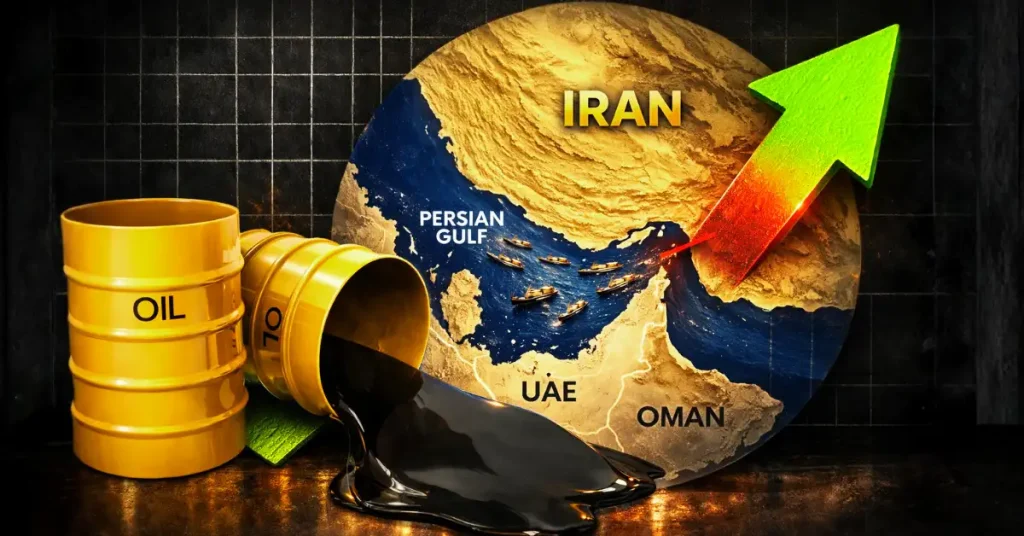
The Strait of Hormuz, a critical global choke point for oil supply, is back in focus. Recent reports suggest the U.S., Iran, and Oman are nearing a temporary agreement to restore shipping stability. This news has spurred optimism in traditional finance, with global stocks rallying and oil prices dropping. However, the crypto market – Bitcoin (BTC), Ethereum (ETH), and XRP – has responded with a noticeable lag. As a Senior Crypto Analyst, the question arises: Is this geopolitical de-escalation the catalyst the digital asset space has been waiting for?
My immediate assessment is that while a Hormuz deal signals a positive shift in global stability, crypto's cautious reaction is both rational and indicative of its evolving relationship with macro factors. Unlike commodities or equities, which have direct exposure to shipping and trade, crypto's correlation is often indirect, influenced by broader liquidity, inflation expectations, and systemic risk. This analysis will explore why crypto's response has been muted and the potential long-term implications for BTC, ETH, and XRP.
The Hormuz Deal: Macroeconomic Impact
The Strait of Hormuz is vital, facilitating roughly one-fifth of the world's petroleum consumption. Disruptions here inflate geopolitical risk premiums on oil, driving prices up and fueling inflation. Conversely, an agreement promising stability brings significant macroeconomic benefits:
- Reduced Oil Prices: Lower geopolitical risk eases crude oil premiums, leading to cheaper energy costs and disinflationary pressure.
- Boosted Global Trade: Stable shipping reduces operational costs, fostering smoother international commerce.
- Enhanced Investor Confidence: Decreased geopolitical uncertainty encourages capital allocation into riskier assets.
These factors create a bullish environment for traditional markets, as seen in the stock rally. For crypto, however, these benefits are rarely instantaneous or direct.
Why Crypto's Response Lags
Crypto's comparatively muted reaction to the Hormuz deal stems from several key factors:
- Indirect Macro Correlation: Crypto assets lack a direct, first-order relationship with oil prices or shipping stability. Their primary drivers involve technological innovation, adoption, regulatory advancements, and network effects.
- 'Temporary' Nature Skepticism: The deal is termed 'temporary.' Crypto traders, wary of short-term fixes, may await more durable assurances of lasting stability before fully pricing in benefits.
- Internal Market Drivers: The crypto ecosystem has powerful internal dynamics like Bitcoin's halving cycles, Ethereum protocol upgrades, and ongoing legal challenges (e.g., XRP's SEC case) that can overshadow external macro events, especially if their impact is indirect or delayed.
- Liquidity as Primary Driver: Significant crypto rallies require substantial global liquidity injections. While stability can foster increased liquidity, it doesn't guarantee it. Central bank monetary policies remain paramount.
Bitcoin: Digital Gold or Risk-On Asset?
For Bitcoin, the Hormuz deal tests its dual narrative as both 'digital gold' and a high-beta risk asset. While sometimes a safe-haven during extreme uncertainty, its correlation with growth stocks has strengthened. If the deal ushers in sustained geopolitical calm, mitigating inflation fears and potentially leading to more accommodative monetary policies, Bitcoin could gain significantly. Lower inflation and interest rates reduce the opportunity cost of holding non-yielding BTC, enhancing its appeal. A robust global economy also encourages capital allocation to higher-risk assets like Bitcoin. The current lag might be a 'waiting game' for clearer signals on permanence and liquidity impact.
Ethereum & The Altcoin Market: Building on Stability
Ethereum, foundational for DeFi and NFTs, generally tracks Bitcoin but also has unique drivers. A stable and expanding global economy provides fertile ground for decentralized application adoption. As confidence grows, businesses and individuals may explore innovative blockchain solutions more readily.
For ETH, the Hormuz deal's potential to foster economic growth and reduce financial friction could indirectly boost network usage, transaction volumes, and developer engagement. This, combined with ongoing protocol enhancements like the Dencun upgrade, could form a powerful bullish tailwind. The broader altcoin market, often following Ethereum, would likely experience a surge as capital flows from BTC into ETH and then into smaller caps, assuming risk-on sentiment solidifies.
XRP: Cross-Border Payments and Geopolitical Stability
XRP's core utility for fast, low-cost cross-border payments makes it sensitive to international trade dynamics. A secure and efficient Strait of Hormuz directly supports the narrative of a more interconnected global economy, potentially increasing demand for seamless international settlements.
If the deal contributes to sustained global economic growth and improved trade relations, it could theoretically enhance XRP's utility and Ripple's On-Demand Liquidity (ODL) solutions. However, XRP's price remains heavily influenced by its ongoing legal proceedings with the U.S. SEC. While a positive macro backdrop is beneficial, a definitive resolution of its regulatory uncertainty is widely considered a more decisive catalyst for a significant, sustained rally.
Conclusion: A Cautiously Optimistic Outlook
The potential U.S.-Iran Hormuz agreement is a positive development for global macroeconomic stability, confirmed by its immediate effects on oil and traditional stocks. For Bitcoin, Ethereum, and XRP, however, the path to a significant rally may be more indirect and time-dependent.
Crypto investors should maintain prudence and patience. It's crucial to observe if this temporary agreement evolves into lasting peace, and how central banks react to potentially reduced inflationary pressures. A sustained period of geopolitical calm, synergized with more dovish monetary policies, would create an exceptionally fertile environment for digital assets. Until then, the crypto market will continue balancing external macro signals with its potent internal catalysts and evolving regulatory landscapes.
Featured News Partner: Coinpedia News