Introduction: Global Markets Brace for Impact
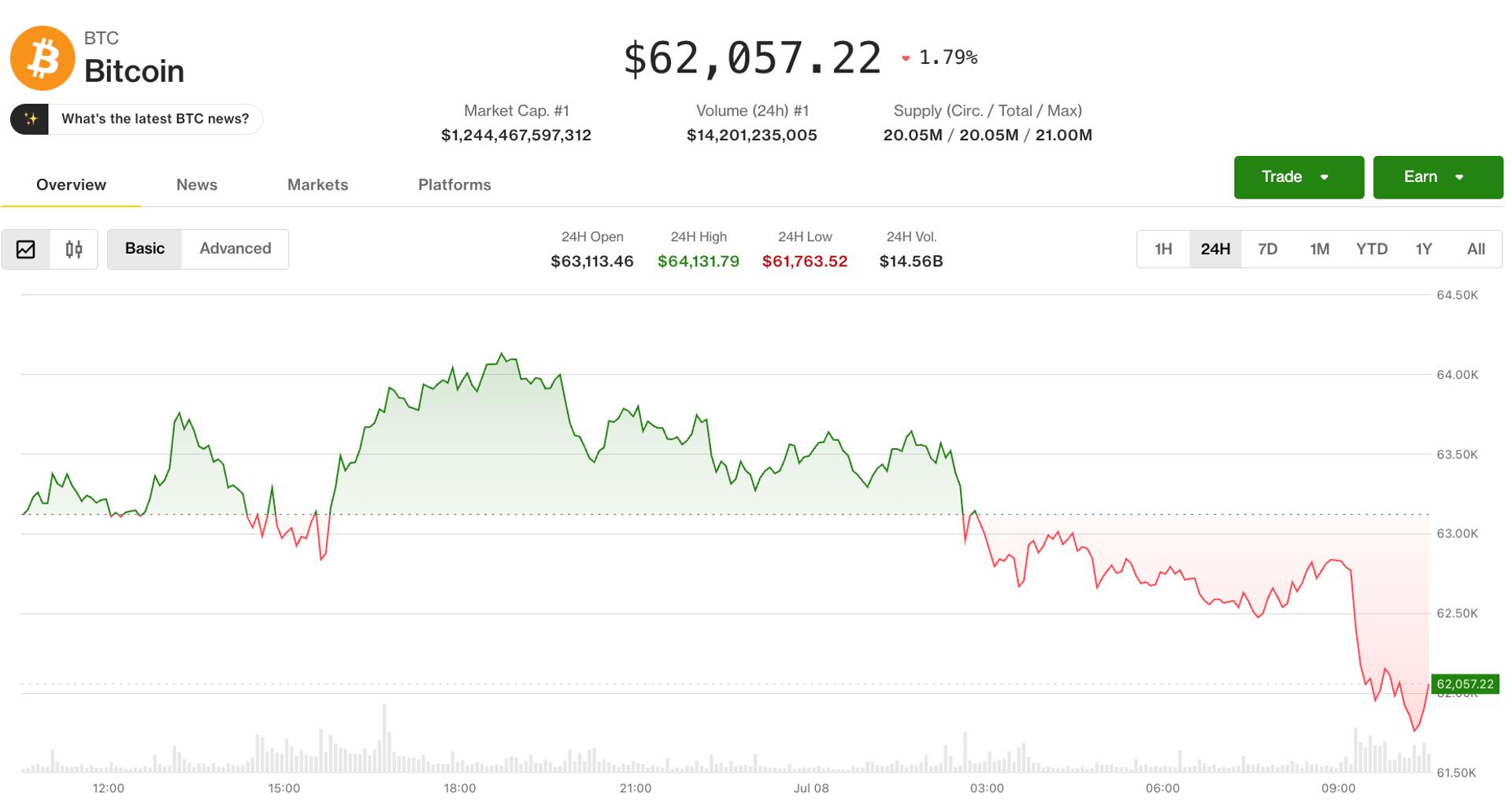
Global financial markets, particularly the nascent yet increasingly influential cryptocurrency sector, found themselves in turbulent waters recently as geopolitical tensions between the United States and Iran sharply escalated. President Donald Trump's stark declaration that the 'ceasefire with Iran is over,' following a series of retaliatory airstrikes, triggered an immediate and palpable wave of fear across asset classes. This pronouncement from a global superpower had instant repercussions, leading to a broad-based sell-off that saw both Bitcoin and altcoins slide, mirroring the downturn in traditional stock markets.
The Geopolitical Catalyst: Escalating US-Iran Tensions
The latest episode of volatility was ignited by a dangerous escalation in the Middle East. Reports emerged detailing targeted US airstrikes, which were swiftly met with retaliatory actions from Iran. This tit-for-tat exchange culminated in President Trump's unequivocal statement, signaling a definitive end to any pretense of de-escalation. Such declarations from the highest echelons of global leadership carry immense weight, directly impacting investor confidence and risk appetite worldwide. The uncertainty surrounding further military actions, potential economic sanctions, and regional destabilization created an environment ripe for market panic, compelling investors to seek safety and liquidate perceived riskier holdings.
Crypto Market's Immediate Plunge: Bitcoin and the Risk-Off Narrative
Bitcoin, often lauded by its proponents as 'digital gold' or a safe-haven asset, experienced a significant downturn in the wake of the news, shedding several percentage points within a matter of hours. This immediate reaction underscores a critical reality: despite its decentralized nature and theoretical immunity to traditional financial system woes, Bitcoin remains highly susceptible to global risk-off sentiment. The narrative of Bitcoin as an entirely uncorrelated asset frequently falters during acute moments of macroeconomic or geopolitical instability. When large-scale risk aversion takes hold, investors tend to rush for liquidity and safety in established assets, leading to a broad liquidation across all perceived risk assets, including cryptocurrencies.
Altcoins: The Amplified Fallout
The impact on the broader altcoin market was even more pronounced and severe. With typically lower market capitalizations, thinner order books, and often higher speculative risk profiles, altcoins bore the brunt of the market's fear. Many saw double-digit percentage drops, accelerating their correlation with Bitcoin's downward trajectory but with significantly magnified volatility. This trend highlights a fundamental dynamic within the crypto ecosystem: during periods of intense uncertainty, capital instinctively flows out of smaller, more speculative assets first. Investors prioritize consolidating into Bitcoin, which is seen as comparatively more stable and liquid within the crypto sphere, or exiting the market entirely. Altcoins, in essence, function as a high-beta play on the broader crypto market, amplifying both gains and, crucially in this scenario, losses.
Traditional Markets Mirror Crypto's Pain
The traditional stock markets provided a stark parallel to the crypto downturn, unequivocally signaling a pervasive risk-off environment. Major indices across the globe, particularly in the US, opened significantly lower or saw substantial intraday declines. This synchronized reaction reflects widespread investor apprehension and a rush to de-risk portfolios. Sectors traditionally sensitive to geopolitical instability, such as oil and defense, naturally saw their own specific reactions, but the overarching market mood was one of extreme caution. This confluence of negative sentiment across both digital and traditional equities underscores the growing integration of the cryptocurrency space into the global financial ecosystem. Crypto assets are no longer entirely insulated from the macroeconomic and geopolitical forces that dictate the flow of capital in legacy markets.
Bitcoin's Safe-Haven Debate Revisited and Re-evaluated
This latest geopolitical episode once again ignited and intensified the ongoing debate surrounding Bitcoin's classification. While a segment of the crypto community firmly believes Bitcoin's decentralization, finite supply, and censorship resistance make it an ideal hedge against traditional financial instability and geopolitical turmoil, its recent performance paints a more nuanced picture. In moments of acute, sudden geopolitical crisis, Bitcoin's behavior often aligns more with that of a risk asset rather than a safe haven. The immediate response during such events is typically a flight to liquidity and safety in long-established, highly liquid, and easily quantifiable assets like sovereign bonds, the US dollar, or physical gold. For Bitcoin to truly embody the 'digital gold' narrative during these critical junctures, it needs to consistently demonstrate sustained decorrelation and upward momentum during crises, a pattern that has not been uniformly observed. Its performance here firmly positions it within the 'risk asset' category for a significant portion of institutional investors.
Outlook: Navigating Continued Uncertainty
From the perspective of a Senior Crypto Analyst, the immediate and profound market reaction to the US-Iran escalation serves as a potent reminder of the heightened sensitivity of all financial markets to geopolitical tremors. Investors should brace for the likelihood of continued volatility as the situation unfolds, with any further escalations or de-escalations having direct and immediate implications for asset prices. The strong correlation observed between crypto and traditional markets during this period of stress strongly suggests that broader macroeconomic and geopolitical factors will increasingly dictate crypto price action, rather than solely internal crypto-specific narratives or technological developments. Prudent investors will likely prioritize robust risk management strategies, portfolio diversification, and a critical re-evaluation of their exposure to highly speculative assets in the face of ongoing global uncertainty.
Conclusion: Crypto's Evolving Role in a Volatile World
The confluence of geopolitical instability and its swift, reverberating impact across both traditional and digital asset markets underscores the evolving maturity and increasing sensitivity of the cryptocurrency ecosystem. This event highlights that crypto markets, despite their distinct technological characteristics, are now deeply embedded in the global financial matrix. Geopolitical instability acts as a powerful, unpredictable force, capable of overriding even the strongest fundamental narratives and driving all markets, digital and traditional alike, into turbulent waters.