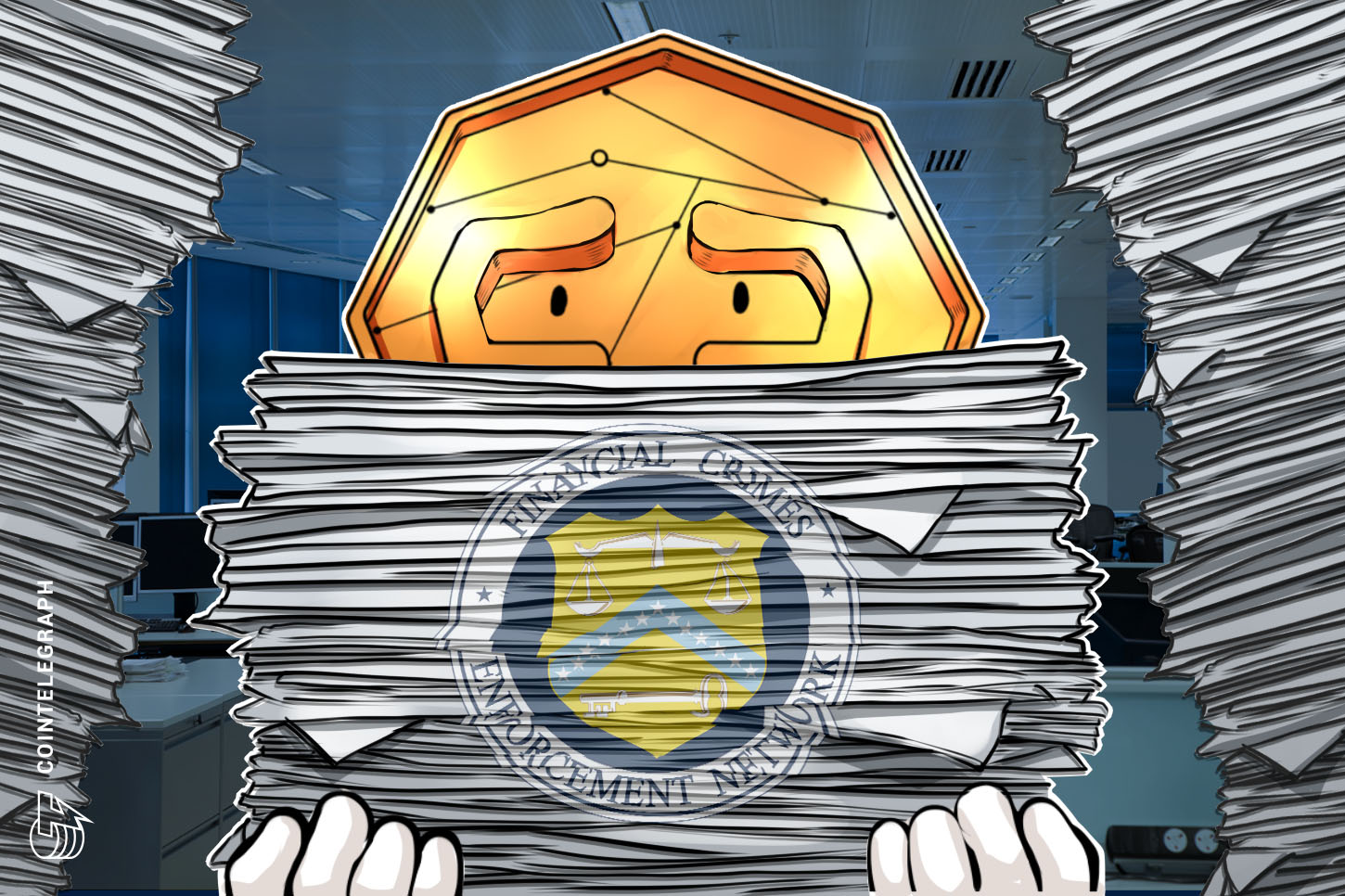
FinCEN Exposes $13B Crypto Scam Network, Highlighting Transnational Threat from Southeast Asia
The Financial Crimes Enforcement Network (FinCEN) has released a startling report, revealing that an estimated $13 billion in cryptocurrency scams have been tied to non-US operations. This significant disclosure shines a harsh light on the sophisticated tactics employed by transnational criminal organizations (TCOs), predominantly based in compounds across Southeast Asia, which are systematically targeting US residents.
As a Senior Crypto Analyst, this report underscores a critical and growing challenge for the digital asset ecosystem: the persistent threat of large-scale, internationally coordinated fraud. While the crypto space is celebrated for its innovation and decentralization, it remains a fertile ground for malicious actors exploiting its pseudonymous nature and the relative newness of its regulatory frameworks in many regions.
The Anatomy of a $13 Billion Heist: Southeast Asian TCOs at the Helm
FinCEN’s findings are chilling. The agency explicitly points to TCOs operating from fortified compounds in Southeast Asia as the primary architects behind these elaborate schemes. These aren't opportunistic individual hackers; these are organized syndicates running highly structured operations, often involving forced labor or human trafficking, to perpetuate scams on an industrial scale.
The sheer scale — $13 billion — is staggering and represents a significant portion of total crypto losses reported annually. These TCOs often employ a variety of deception techniques, commonly referred to as "pig butchering" scams. Victims are groomed over extended periods, developing what they believe to be genuine relationships (romantic, friendly, or professional), before being coaxed into fraudulent crypto investments. Other common tactics include fake exchange platforms, deceptive liquidity mining pools, and elaborate phishing campaigns designed to steal private keys or wallet access.
The "compounds" mentioned by FinCEN are not mere offices; they are often large, isolated complexes where victims, frequently trafficked individuals, are forced to work long hours, cold-calling and messaging potential scam victims worldwide, particularly in Western countries. This adds a deeply disturbing human rights dimension to the financial crime, transforming it from mere economic theft into a complex issue involving modern slavery.
Implications for the Crypto Ecosystem and Regulatory Landscape
FinCEN’s report carries profound implications for the entire digital asset landscape:
Erosion of Trust and Public Perception
Such large-scale illicit activity inevitably tarnishes the reputation of legitimate cryptocurrency and blockchain technology. For mainstream adoption to accelerate, public trust is paramount. Reports like this fuel skepticism and reinforce negative stereotypes, making it harder for innovative projects and ethical companies to gain traction. The narrative shifts from innovation to risk, hindering broader acceptance.
Heightened Regulatory Scrutiny
The revelation of a $13 billion drain by foreign entities will undoubtedly intensify pressure on US and international regulators. Expect increased calls for more stringent Know Your Customer (KYC) and Anti-Money Laundering (AML) regulations, not just at centralized exchanges, but potentially extending into aspects of DeFi, cross-border transactions, and even wallet providers. FinCEN’s report is a clear signal that they are closely monitoring the flow of illicit funds within the crypto space and are prepared to act.
Jurisdictional Challenges and International Cooperation
The fact that these operations are "non-US" and based in "Southeast Asian compounds" highlights a significant challenge: jurisdiction. Law enforcement agencies face considerable hurdles in investigating, prosecuting, and recovering assets when the perpetrators operate from countries with weak legal frameworks, limited resources, or where corruption might impede international cooperation. This necessitates a more robust framework for global intelligence sharing, coordinated cross-border enforcement efforts, and potentially new international treaties focusing on digital asset crime.
Analyst's Outlook: A Multi-Pronged Defense is Essential
Combating a threat of this magnitude requires a concerted, multi-pronged approach involving individuals, industry participants, and governments.
For Users: Vigilance is Your Strongest Shield
The first line of defense is always the individual user. Be extremely wary of unsolicited investment opportunities, especially those promising guaranteed high returns. Verify identities, research platforms thoroughly, and never send crypto to someone you’ve only met online, regardless of how convincing their story. Remember the adage: if it sounds too good to be true, it almost certainly is. Implement strong security practices, including hardware wallets for significant holdings and two-factor authentication for all accounts.
For the Industry: Strengthening Defenses and Collaboration
Cryptocurrency exchanges, wallet providers, and DeFi protocols must continually enhance their security and compliance frameworks. This includes advanced transaction monitoring systems to detect suspicious patterns, improved KYC/AML processes to prevent illicit accounts from being opened, and proactive measures to educate users about common scam tactics. Critically, industry participants must foster closer collaboration with law enforcement agencies and share threat intelligence to identify and disrupt these networks more effectively, creating a united front against financial crime.
For Regulators and Governments: Coordinated Global Action
FinCEN's report is a call to action. Governments need to prioritize international cooperation, including joint task forces, intelligence sharing agreements, and potentially even diplomatic pressure on host nations where these TCOs operate with impunity. Developing harmonized global standards for crypto regulation could also help close jurisdictional loopholes exploited by criminals. Sanctioning entities and individuals involved in these operations and seizing their assets, where possible, should be a priority to dismantle these criminal enterprises.
Conclusion
The $13 billion in crypto scams linked to Southeast Asian TCOs is a stark reminder of the sophisticated and evolving nature of financial crime in the digital age. While the cryptocurrency space holds immense promise, it cannot reach its full potential unless robust measures are in place to protect users and deter illicit activity. FinCEN’s report is not just a statistic; it's a wake-up call for collective action across the entire crypto ecosystem. Only through sustained vigilance, technological innovation, and unprecedented global cooperation can we hope to stem the tide of these transnational criminal enterprises and build a safer, more trustworthy digital financial future.