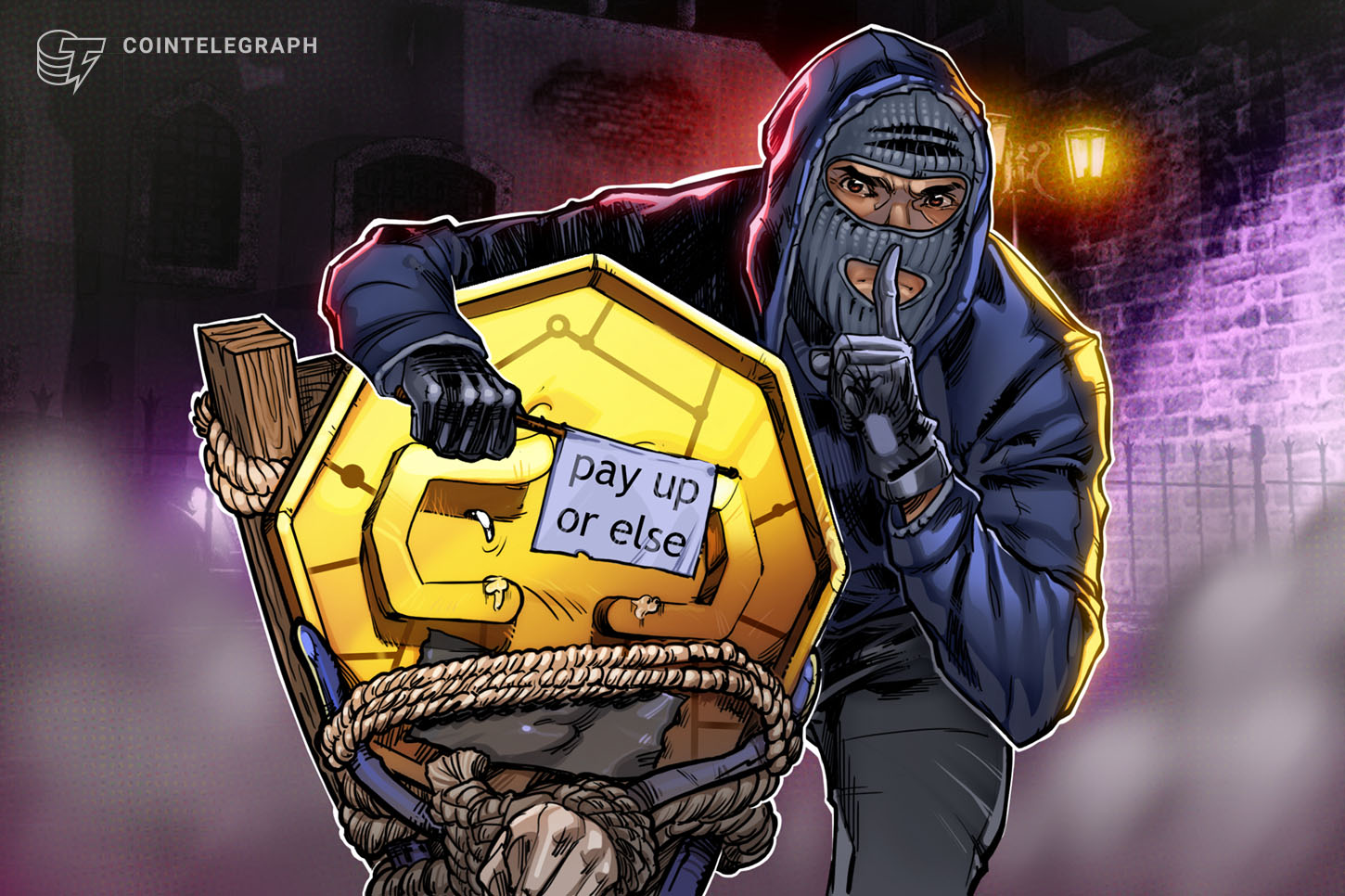
The burgeoning world of cryptocurrency, long lauded for its innovation and decentralization, has increasingly found itself entangled with the grim realities of physical crime. A recent incident, where a trio from Missouri allegedly orchestrated a plot to kidnap a Connecticut Bitcoin holder and force a cryptocurrency transfer, serves as a chilling testament to this dangerous convergence. While the plan was reportedly abandoned, the charges laid bare a sinister evolution in how criminals perceive and pursue digital assets, demanding a critical re-evaluation of security protocols for every crypto enthusiast and investor.
The Alarming Details of a Cross-State Conspiracy
According to the charges, the defendants embarked on a calculated journey from Missouri to Connecticut, their alleged objective being to abduct a targeted individual known to possess a significant amount of Bitcoin. The intent was clear: leverage physical coercion to compel the victim into transferring their digital wealth. This meticulously planned, interstate endeavor transcends the typical digital wallet hack or phishing scam. It represents a disturbing escalation, moving from the anonymous realm of cyberspace into the physical domain, introducing an entirely new dimension of threat for those who hold substantial crypto assets.
The fact that the plot was reportedly abandoned before execution offers little solace. It underscores the severity of the threat model now faced by high-net-worth crypto holders. Unlike traditional bank accounts, which are insured and protected by robust institutional security, the direct control and irreversible nature of cryptocurrency transactions make individuals with private keys exceptionally vulnerable. This case highlights a grim truth: for some criminals, the path to illicit gains from crypto now includes physical violence and intimidation, targeting the "meat space" holders of digital keys.
Crypto's Dark Underbelly: An Escalating Nexus of Wealth and Crime
The allure of cryptocurrency for malicious actors is multifaceted. The pseudonymous nature of transactions, the perceived difficulty in tracing funds (though this is often a misconception with on-chain analysis), and the potential for rapid, irreversible wealth transfers make it an attractive target. Historically, crypto-related crimes have predominantly manifested as hacks of exchanges, DeFi protocols, rug pulls, or elaborate scams. However, as the market cap of cryptocurrencies grows and their mainstream adoption increases, so too does the sophistication and audacity of criminal enterprises. This Missouri-Connecticut plot signifies a dangerous pivot, indicating that criminals are willing to cross state lines and resort to extreme measures to bypass digital security in favor of directly confronting the asset holder.
This incident also forces an uncomfortable comparison with traditional financial systems. While bank robberies still occur, the direct targeting of an individual in their home or personal space to force a funds transfer is a rare and highly condemned form of criminality. The decentralized, self-custodial nature of crypto, while empowering, also places an unprecedented level of responsibility—and risk—on the individual. Without the physical security infrastructure of a bank, users become the sole custodians of assets that can be worth millions, making them potential targets for determined criminals.
Critical Security Risks and Best Practices for Hodlers
For anyone holding significant cryptocurrency, this case serves as an immediate and urgent call to action regarding personal security and operational security (OPSEC). Flaunting crypto wealth, whether online or in real life, can inadvertently paint a target on one's back. As a Senior Crypto Analyst, I cannot stress enough the importance of maintaining a low profile regarding your holdings. Here are crucial recommendations:
- Physical Security First: Assess your physical environment. This includes home security, personal travel habits, and general awareness of your surroundings. Consider professional security consultations if your holdings are substantial.
- Digital Security Fundamentals: Continue to employ best practices like hardware wallets (cold storage), strong unique passwords, multi-factor authentication (MFA) on all accounts, and regular software updates. Never share your seed phrase or private keys with anyone.
- Multi-Signature Wallets: For significant sums, consider using multi-signature wallets, which require multiple keys (held by different individuals or in different secure locations) to authorize a transaction. This drastically increases the difficulty for any single attacker to compromise your funds.
- "Plausible Deniability" Wallets: Some experts suggest having small "decoy" wallets with minor funds to appease potential attackers, while keeping the bulk of assets in truly inaccessible, secure locations.
- Be Discreet: Avoid discussing your crypto holdings publicly or even with acquaintances you don't fully trust. Social media is not your friend when it comes to financial disclosures.
- Location Privacy: Be mindful of sharing location data, even indirectly, that could signal your absence or presence.
Law Enforcement's Evolving Challenge
This incident also highlights the evolving challenges faced by law enforcement. Tracking criminals who plan and execute cross-state physical attacks to extract digital assets requires specialized skills. It necessitates a deep understanding of blockchain forensics, combined with traditional investigative techniques for kidnapping, assault, and conspiracy. Inter-agency cooperation across state lines becomes paramount. As crypto-related crimes become more complex and hybrid in nature, involving both digital and physical elements, law enforcement agencies must continue to invest in training and resources to effectively combat these threats.
The Broader Implications for the Crypto Ecosystem
Incidents like the alleged Missouri kidnapping plot cast a shadow on the broader cryptocurrency ecosystem. They fuel existing narratives about crypto being a haven for illicit activities, potentially slowing mainstream adoption and inviting increased regulatory scrutiny. While the vast majority of crypto users are law-abiding, these high-profile criminal cases reinforce the need for industry stakeholders to champion security, user education, and responsible use. The industry must continue to collaborate with law enforcement, share intelligence (where appropriate and legal), and develop technologies that enhance both privacy and accountability.
Conclusion: Vigilance is the New Gold Standard
The alleged Bitcoin kidnapping plot is a grim reminder that the value stored in digital assets carries real-world risks. As the lines between digital wealth and physical security increasingly blur, vigilance becomes the new gold standard for asset protection. For crypto holders, the focus must shift beyond merely safeguarding private keys from digital attacks to actively protecting personal safety from physical threats. The future of crypto adoption hinges not just on technological innovation, but on establishing an environment where participants can engage without fear for their lives or liberty. Stay informed, stay secure, and prioritize your personal safety above all else.