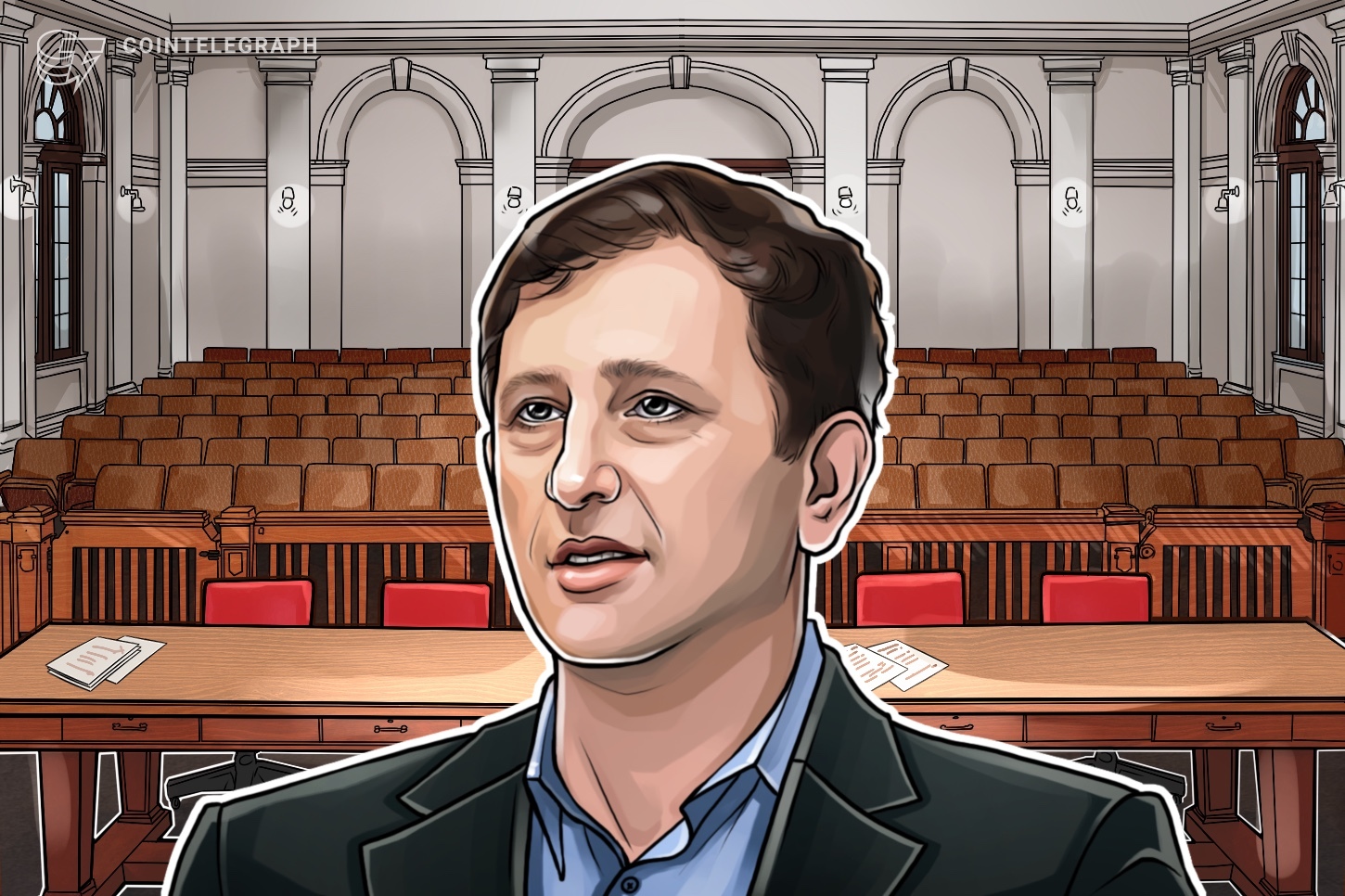
End of an Era: Celsius' Mashinsky Faces Permanent Trading Ban in Historic CFTC Settlement
The saga surrounding Celsius Network and its controversial founder, Alex Mashinsky, has reached a significant turning point. In a landmark development, the U.S. Commodity Futures Trading Commission (CFTC) has announced a settlement with Mashinsky, imposing a permanent trading and registration ban. This settlement marks the CFTC’s first-ever enforcement action against a crypto lending platform, sending an unequivocal message across the digital asset landscape regarding accountability, investor protection, and the evolving regulatory framework.
The Ascent and Precipitous Fall of Celsius Network
Celsius Network, under Mashinsky’s charismatic leadership, emerged as a prominent player in the centralized crypto lending space. Its core promise – to "unbank yourself" and earn attractive yields on crypto holdings – resonated with millions seeking alternatives to traditional finance. Mashinsky himself was a vocal proponent of this vision, frequently appearing in interviews and on social media, assuring users of the platform's robust risk management and ability to generate consistent returns far exceeding conventional banks. Users deposited billions in cryptocurrencies, lured by annual percentage yields (APYs) that often reached double digits.
However, the platform's aggressive growth strategy and opaque operational practices sowed the seeds of its downfall. As market conditions soured in early 2022, exacerbated by the Terra-Luna collapse and broader macroeconomic headwinds, Celsius found itself in a precarious liquidity position. Despite Mashinsky's repeated assurances of solvency, the company abruptly halted customer withdrawals in June 2022, citing "extreme market conditions." This move sent shockwaves through the crypto community, culminating in Celsius filing for Chapter 11 bankruptcy a month later, leaving hundreds of thousands of users with their assets frozen and facing significant losses. Subsequent investigations by various regulatory bodies and the bankruptcy proceedings themselves revealed a pattern of alleged misrepresentations, commingling of customer funds, and risky investment strategies that painted a stark contrast to Mashinsky’s public narrative.
CFTC's Landmark Enforcement: A Precedent Set
The CFTC's settlement with Alex Mashinsky specifically addresses allegations that he engaged in fraudulent conduct and material misrepresentations concerning Celsius’s business operations, financial health, and risk management practices. The core of the CFTC's case centered on Mashinsky’s alleged deceit in portraying Celsius as a safe and low-risk platform while, in reality, it was engaging in highly speculative and unhedged trading strategies with customer funds. The permanent trading and registration ban effectively prohibits Mashinsky from participating in any CFTC-regulated markets or entities in the future. While the full financial penalties are often part of such settlements and serve as a punitive measure, the lifetime ban is a particularly potent deterrent, signaling the regulator's intent to remove bad actors permanently from the financial ecosystem.
This action is particularly significant because it establishes the CFTC's jurisdiction over certain crypto lending activities, treating some digital assets and their associated lending products as commodities. This aligns with a broader trend of U.S. regulators attempting to classify and oversee various crypto offerings, distinguishing between securities, commodities, and other financial instruments. The CFTC's proactive stance here underscores its growing commitment to asserting its authority in the digital asset space, especially when consumer protection is at stake. It's also important to note that this CFTC settlement is distinct from other ongoing legal challenges Mashinsky faces, including criminal charges from the Department of Justice (DOJ) and civil lawsuits from the Securities and Exchange Commission (SEC) and New York Attorney General, each addressing different facets of his alleged misconduct.
Immediate and Long-Term Implications for Alex Mashinsky
For Alex Mashinsky, the permanent trading and registration ban is a career-ending pronouncement within the regulated financial sector. It bars him from holding any significant role in any entity that deals with commodities or regulated financial products. Beyond the immediate professional repercussions, this settlement could significantly impact his defense in the ongoing criminal and civil cases. While a civil settlement is not an admission of guilt in a criminal context, it certainly strengthens the narrative of alleged wrongdoing and could influence public perception and potentially subsequent legal proceedings. His reputation, once synonymous with a revolutionary vision for finance, is now inextricably linked to the collapse of Celsius and regulatory censure.
Broader Ramifications for the Crypto Industry and Regulatory Landscape
The CFTC's settlement with Mashinsky sends ripples throughout the entire crypto ecosystem, particularly for centralized finance (CeFi) platforms and prospective innovators. It unequivocally signals enhanced regulatory scrutiny, serving as a stern warning that opaque practices, misrepresentations, and inadequate risk management will no longer be tolerated. Expect increased pressure for transparency, robust internal controls, and clear segregation of customer funds. This case also sets a crucial precedent for commodity classification, reinforcing the CFTC's view that many digital assets and their services fall under its purview, aiding in the development of a comprehensive regulatory framework. The renewed focus on investor protection is clear, with regulators demonstrating a commitment to act against platforms and individuals exploiting retail investor trust. This will likely lead to more stringent disclosure requirements. Furthermore, it casts a long shadow on the future of CeFi. The Celsius collapse and this settlement highlight the inherent risks of centralized control, strengthening the argument for transparent, auditable, and permissionless protocols. CeFi platforms aiming for longevity must adopt significantly higher standards of governance, risk management, and regulatory compliance, mirroring traditional financial institutions. Lastly, the evident inter-agency coordination (CFTC, DOJ, SEC, state attorneys) signals a concerted, multi-pronged effort by U.S. authorities, indicating a maturing regulatory environment where bad actors face unified oversight.
Lessons for the Evolving Crypto Ecosystem
The Mashinsky settlement serves as a potent reminder that the "Wild West" era of cryptocurrency is steadily giving way to an age of accountability. For crypto entrepreneurs and projects, the lesson is clear: compliance is not optional. Understanding the regulatory landscape, adhering to disclosure requirements, and implementing sound financial practices are no longer merely best practices but essential for survival and long-term viability. For investors, it reinforces the critical importance of due diligence, understanding the underlying risks of seemingly attractive yields, and questioning opaque operational models. The distinction between decentralized and centralized offerings becomes ever more crucial when assessing risk and regulatory exposure.
Conclusion: A New Chapter for Digital Asset Regulation
The CFTC's settlement with Alex Mashinsky is more than just the end of a personal chapter for a controversial figure; it marks the beginning of a new, more stringent chapter for digital asset regulation. By permanently banning a high-profile founder of a major crypto lending platform, the CFTC has demonstrated its resolve to police the market and protect consumers. As the crypto industry continues its journey towards mainstream adoption, such enforcement actions will inevitably shape its trajectory, pushing it towards greater transparency, responsibility, and ultimately, legitimacy within the broader financial world. The path forward for crypto will undoubtedly involve navigating an increasingly complex web of regulations, but it is a necessary evolution for the ecosystem to mature and fulfill its transformative potential responsibly.