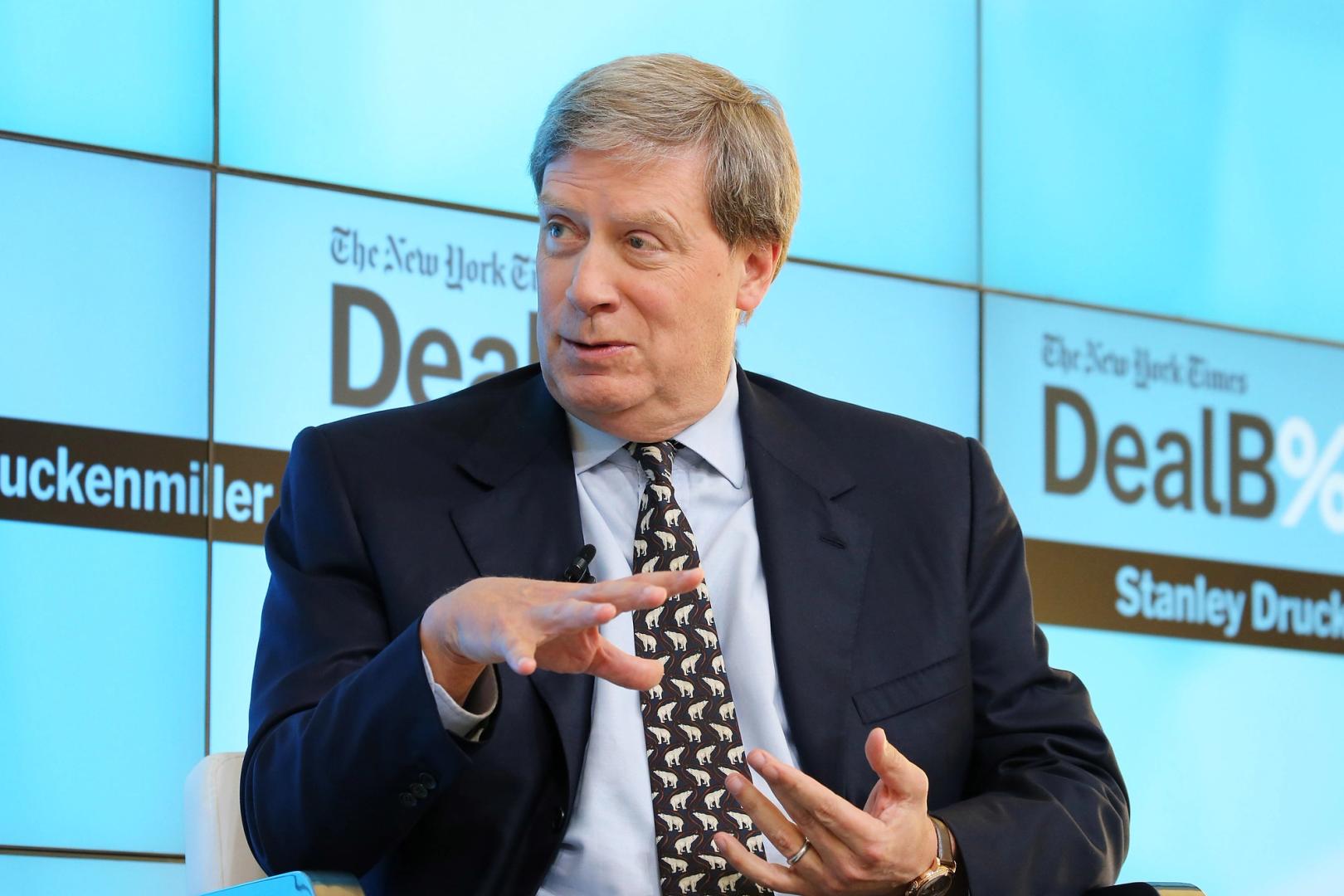
The Specter of Fiscal Recklessness: Druckenmiller's Warning on Treasury's Bond Buybacks
In an era defined by unprecedented government spending and burgeoning national debt, a stark warning from legendary billionaire investor Stanley Druckenmiller echoes through the financial world. His recent critique of the U.S. Treasury's proposed bond buyback plan isn't merely a disagreement on financial mechanics; it's a profound alarm bell signaling a potential erosion of fiscal discipline and a dangerous gamble with the nation's economic future. Druckenmiller argues that this intervention, far from stabilizing markets, actively removes a vital check on government borrowing and fiscal accountability, paving the way for heightened peril while sidelining the market's crucial role as an honest price discovery mechanism. For those observing the broader macroeconomic landscape, particularly from the vantage point of alternative assets, this intervention represents a critical juncture, potentially accelerating a flight from traditional instruments into more resilient, decentralized stores of value.
Unpacking the Treasury's Strategy: A Bid for Liquidity or Control?
The U.S. Treasury Department has been exploring a plan to buy back older, less liquid Treasury bonds, potentially replacing them with new issuances. The stated rationale behind such a move is typically to improve market liquidity, enhance the efficiency of Treasury auctions, and potentially reduce the overall cost of debt by optimizing the yield curve. By purchasing less actively traded securities, the Treasury aims to consolidate its outstanding debt into fewer, larger, and more liquid issues, which could theoretically make the market more attractive to investors and reduce liquidity premiums.
While on the surface this appears to be a technical adjustment, Druckenmiller views it as something far more insidious. He perceives it not as a benign optimization strategy but as a direct intervention that manipulates the natural order of the market, effectively insulating the government from the consequences of its fiscal decisions. In a world increasingly wary of central bank and governmental overreach, this perspective resonates deeply.
Druckenmiller's Core Argument: Undermining Market Discipline
The essence of Druckenmiller's concern lies in the concept of market discipline. Historically, the bond market has served as an independent arbiter of government fiscal health. When a government runs persistent deficits or embarks on unsustainable spending sprees, bond investors demand higher yields as compensation for increased risk. This rising cost of borrowing acts as a natural, powerful deterrent, forcing policymakers to reconsider their fiscal trajectories. It’s a mechanism that compels accountability, ensuring that governments cannot indefinitely spend beyond their means without facing economic consequences.
Druckenmiller contends that the Treasury’s bond buyback plan short-circuits this vital feedback loop. By intervening to smooth out market functioning and potentially suppress yields on specific issues, the government is effectively removing the market's ability to signal caution. If the Treasury can simply "fix" illiquidity or manage bond prices through direct action, the market's incentive to punish fiscal imprudence diminishes. This creates a moral hazard, where politicians might feel less pressure to rein in spending, knowing that the Treasury stands ready to mitigate some of the market's negative reactions.
The Heightened Danger: Fiscal Irresponsibility Unchecked
The "danger" Druckenmiller highlights is multifaceted. Firstly, unchecked government borrowing, especially in an environment of already high national debt and persistent deficits, inevitably leads to higher inflation in the long run. When fiscal constraints are loosened, and the market's ability to demand accountability is diminished, the path to printing more money or accumulating more debt becomes smoother. This directly impacts the purchasing power of citizens and erodes the value of savings, making traditional fiat currencies less reliable as a store of value.
Secondly, by overriding the market's judgment, the Treasury risks mispricing risk. "Markets remain the better judge of prices," as Druckenmiller asserts. Artificial price discovery through intervention, rather than true supply and demand, distorts capital allocation and can lead to asset bubbles or inefficient deployment of resources. This introduces systemic risk into the financial system, as true underlying vulnerabilities are masked, only to emerge more dramatically later.
Furthermore, the long-term credibility of the U.S. Treasury market, the bedrock of global finance, could be jeopardized. If investors perceive that the market is being manipulated rather than operating freely, trust can erode, potentially leading to reduced demand for U.S. debt and even greater borrowing costs down the line, ironically achieving the opposite of the plan's stated goals.
The Crypto Perspective: A Retreat to Decentralized Alternatives
From the perspective of a senior crypto analyst, Druckenmiller's warning carries particular weight. The erosion of market discipline and the potential for unchecked fiscal irresponsibility directly bolster the investment thesis for decentralized digital assets like Bitcoin and other cryptocurrencies. These assets were born, in part, out of a distrust for centralized financial systems and governmental overreach, especially in monetary and fiscal policy.
When traditional bonds, long considered safe havens, are perceived to be subject to governmental manipulation, and fiat currencies face the specter of inflation fueled by endless spending, the appeal of assets with fixed supplies and censorship-resistant characteristics grows. Bitcoin, with its programmed scarcity and independence from any single government or central bank, emerges as a compelling hedge against such fiscal degradation. The ongoing narrative of "debasement" of fiat currencies gains significant traction when respected figures like Druckenmiller highlight governmental actions that could accelerate such trends. This intervention, therefore, might inadvertently serve as another powerful catalyst, driving further interest and adoption in the crypto space as individuals and institutions seek alternatives outside the purview of traditional monetary and fiscal interventions.
Conclusion: A Call for Prudence in a Volatile World
Stanley Druckenmiller's critique of the Treasury's bond buyback plan is more than just an opinion; it's a seasoned investor's stark reminder of the delicate balance between market intervention and fiscal prudence. His argument that such actions remove vital checks on government borrowing and distort true price discovery should serve as a powerful cautionary tale. In a global economy grappling with high inflation, rising interest rates, and geopolitical instability, maintaining market integrity and fiscal accountability is paramount. Overriding these fundamental principles in pursuit of short-term market smoothing risks unforeseen and potentially severe long-term consequences, pushing the financial system closer to a reckoning and further validating the foundational principles of decentralized finance.