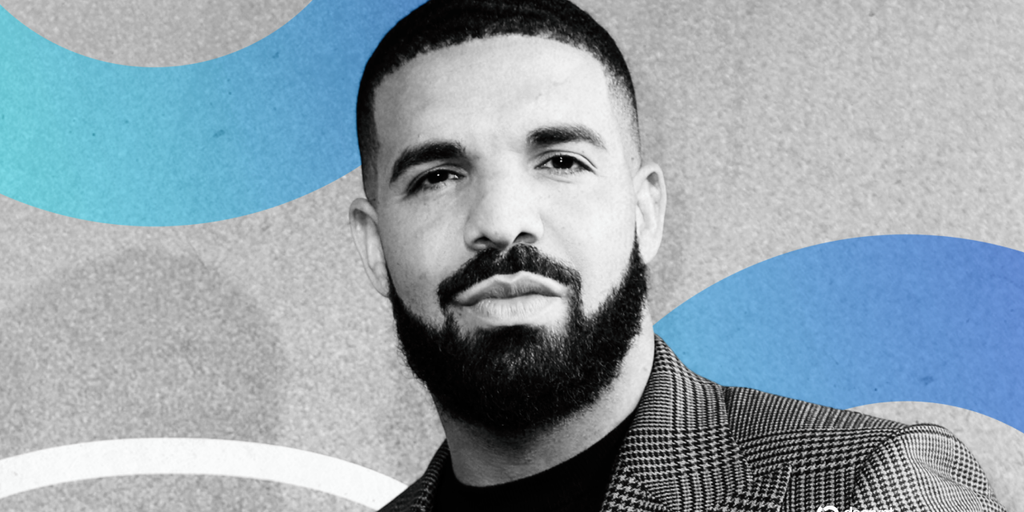
Drake's SBF Endorsement: A Crypto Analyst's Deep Dive into Celebrity Influence, Justice, and Digital Assets
The intersection of pop culture and the cryptocurrency world has always been a fascinating, often volatile, space. From celebrity endorsements of promising projects to cautionary tales of rug pulls tied to influencers, the digital asset ecosystem frequently finds itself in the glare of the mainstream spotlight. The latest ripple comes from an unexpected corner: global music superstar Drake, whose recent album release has sparked widespread debate not just for its musical content, but for a controversial call for the release of Sam Bankman-Fried (SBF), the disgraced founder of FTX, alongside a self-proclamation as a “BTC crypto big-timer.”
As a senior crypto analyst, this development demands a multi-faceted examination. It's not merely a celebrity's offhand comment; it touches upon critical aspects of public perception, the legal system, celebrity responsibility, and the evolving narrative surrounding cryptocurrency itself. Drake's statement, embedded within an album already receiving mixed reviews, has sent shockwaves through the crypto community, eliciting a spectrum of reactions ranging from confusion to outright condemnation.
The Unsettling Advocacy for a Convicted Felon
Sam Bankman-Fried stands as one of the most infamous figures in recent financial history, convicted on multiple counts of fraud, conspiracy, and money laundering related to the collapse of his cryptocurrency exchange, FTX. The legal proceedings detailed a staggering misappropriation of billions of dollars belonging to unsuspecting customers, leading to widespread financial devastation. SBF's conviction was not a minor infraction; it was a monumental breach of trust that shook confidence in the nascent crypto industry and left a trail of ruined lives. His ongoing incarceration is a direct consequence of a comprehensive legal process that found him guilty beyond a reasonable doubt.
Against this backdrop, Drake's seemingly casual call for SBF's release is profoundly jarring. It either demonstrates a profound misunderstanding of the gravity of SBF's crimes and the judicial process, or a deliberate choice to align with a figure largely seen as a pariah. For many, this advocacy is tone-deaf, undermining the severe financial and emotional damage inflicted upon FTX's victims. It raises serious questions about the ethical considerations celebrities navigate when using their immense platforms to weigh in on sensitive legal matters, particularly when the public consensus and legal facts are so overwhelmingly clear.
Drake's "BTC Crypto Big-Timer" Persona: Substance or Stunt?
Adding another layer to this saga is Drake's declaration of being a “BTC crypto big-timer.” This self-identification invites scrutiny into his actual engagement with the cryptocurrency space. Is Drake truly a deep participant in the decentralized finance ecosystem, understanding the nuances of blockchain technology, security, and the ethos of decentralization? Or is this a more superficial embrace, a branding exercise meant to resonate with a digitally savvy audience, perhaps driven by speculative interest or endorsement deals?
The history of celebrity involvement in crypto is littered with examples of figures who have endorsed projects without apparent due diligence, often to the detriment of their followers. While we cannot ascertain the depth of Drake's personal involvement, his public advocacy for SBF casts a shadow over any claim of genuine, informed participation in the crypto community. A true “BTC crypto big-timer” would ideally embody the principles of transparency, security, and responsible innovation, attributes fundamentally antithetical to the actions of Sam Bankman-Fried.
Echoes of the Past: Celebrity Endorsements and Crypto's Reputation
This incident unfortunately harks back to the dark days preceding FTX's collapse, when a slew of high-profile celebrities, including sports stars and actors, lent their images to promote the exchange. These endorsements, often lacking proper disclosure or a clear understanding of the underlying risks, played a significant role in legitimizing FTX in the eyes of the public, drawing in countless retail investors who ultimately lost their life savings. The ensuing lawsuits against these celebrities underscore the moral and legal responsibility that comes with using a public platform to promote financial ventures.
Drake's current stance, while not a direct promotion of a specific crypto project, still carries significant weight. It contributes to a narrative that could potentially downplay the severity of financial crime or normalize association with figures who have caused immense harm. For an industry striving for mainstream acceptance and regulatory clarity, such celebrity interventions can be a double-edged sword. While they can bring visibility, misguided endorsements or controversial statements risk eroding public trust and reinforcing existing skepticism about the maturity and ethical standards of the digital asset space.
The Broader Implications for Public Perception and Market Dynamics
While Drake's comments are unlikely to have a direct, measurable impact on Bitcoin's price or the broader crypto market, their influence on public perception is undeniable. For casual observers and potential new entrants, such celebrity interventions can be confusing and misleading. It blurs the lines between legitimate innovation and reckless speculation, between justice served and celebrity privilege. The "critically panned album" context suggests that Drake's audience itself may be expressing skepticism, indicating that a celebrity's influence, while vast, is not absolute when confronting deeply held moral or legal convictions.
As the crypto industry matures, the imperative for responsible engagement from all stakeholders, including celebrities, becomes ever more critical. The digital asset space is striving to shed its reputation for being a Wild West, plagued by scams and questionable characters. Statements like Drake's, however well-intentioned or ill-informed, can inadvertently reinforce negative stereotypes and make the path to widespread trust and adoption more arduous. It underscores the ongoing challenge of educating the public, and indeed, public figures, about the complexities, risks, and ethical considerations inherent in the world of cryptocurrency.
Conclusion: Navigating the Treacherous Waters
Drake's foray into the SBF narrative and his crypto self-identification serve as a stark reminder of the volatile and often bewildering intersection of entertainment, finance, and justice. As a senior crypto analyst, my assessment leans heavily on the principles of accountability, transparency, and investor protection. While celebrity interest in crypto can be a powerful catalyst for adoption, it must be tempered with responsibility and a clear understanding of the ethical landscape. Advocating for a convicted fraudster, regardless of one's personal financial interest or perceived status in the crypto realm, risks undermining the integrity of both the legal system and the legitimate aspirations of the digital asset industry. The crypto community, now more than ever, needs voices that champion ethical conduct and genuine innovation, not those that inadvertently obscure the clear lines between right and wrong.