NYPD's Alarming Discovery: A New Frontier in Covert Surveillance
The ubiquity of smart devices has long presented a nuanced challenge to traditional notions of privacy and security. However, recent revelations from New York City Police Department (NYPD) memos to Homeland Security have thrown a spotlight on an emerging threat vector: Meta Glasses. These devices, designed for augmented reality and casual content creation, are now at the epicenter of a serious security concern, with law enforcement fearing their potential for covert filming within highly sensitive environments like jails and police facilities. This isn't just a technological hiccup; it signals a profound ethical and operational dilemma that warrants deep analysis, especially from the perspective of how centralized technologies often create unforeseen privacy liabilities.
Meta Glasses: Innovation Meets Unintended Consequences
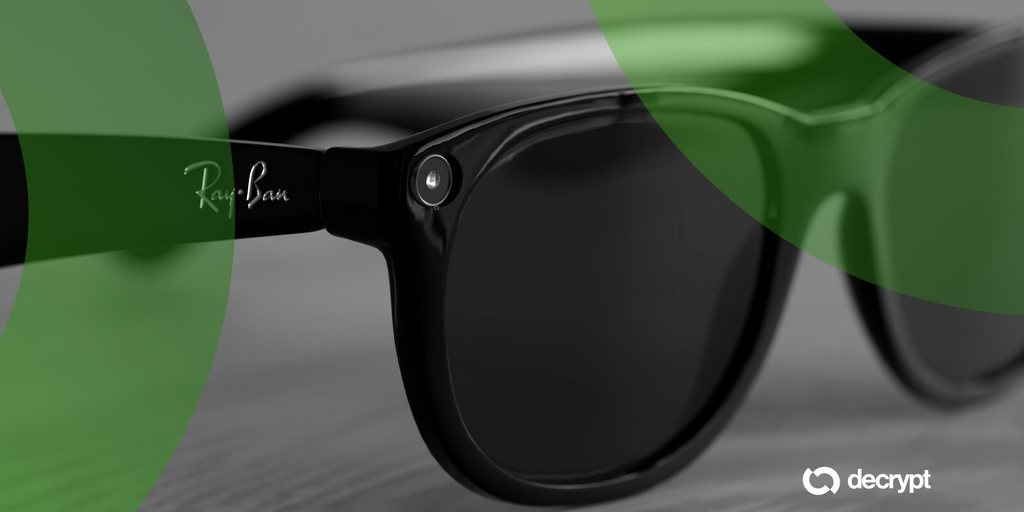
Meta Glasses, primarily Ray-Ban Stories, are stylish smart glasses equipped with built-in cameras, microphones, and speakers, allowing users to capture photos and videos, listen to audio, and make calls, all hands-free. Marketed as a seamless way to "stay connected and in the moment," these devices represent a step towards a more integrated digital life. Yet, it's precisely this seamless integration and inconspicuous design that has triggered alarms within law enforcement. Unlike a smartphone, which is visibly held and often requires deliberate action to record, Meta Glasses can record with a subtle gesture or voice command, making their use for clandestine filming significantly easier and harder to detect.
The Gravest Concerns: Security Breaches in Sensitive Facilities
The NYPD's fears are not without merit. Police facilities and correctional institutions are environments with stringent security protocols, designed to protect sensitive information, ensure the safety of personnel and inmates, and maintain the integrity of ongoing investigations. Covert filming in such areas could lead to a cascade of catastrophic consequences:
- Compromise of Sensitive Operations: Recording tactics, personnel identities, facility layouts, and sensitive documents could fall into the wrong hands.
- Risk to Informants and Undercover Officers: Identities could be exposed, jeopardizing lives and investigations.
- Evidence Tampering and Misrepresentation: Edited or selectively recorded footage could distort facts, influencing legal proceedings.
- Breach of Inmate Privacy: While incarcerated, inmates still retain certain privacy rights, which covert recording would violate.
- Internal Security Risks: The potential for internal actors to misuse these devices for illicit purposes adds another layer of complexity.
The challenge for security personnel is immense: how do you detect and prevent recording from a device that blends effortlessly into everyday attire and offers minimal visual cues of its recording status?
Navigating the Legal and Ethical Minefield
The advent of Meta Glasses thrusts us into a complex legal and ethical quandary regarding surveillance. Existing laws on recording vary significantly by jurisdiction, often distinguishing between public and private spaces, and requiring consent (one-party vs. two-party) for audio recordings. However, these laws were primarily conceived in an era of bulkier recording devices. Smart glasses blur these lines. Is a police precinct's lobby a "public" space for visual recording, even if recording is prohibited by policy? What about interrogation rooms or booking areas?
The key dilemma lies in balancing individual rights to record in certain contexts (e.g., documenting police interactions in public) against the state's need for operational security and the privacy of its personnel and those in its custody. The inconspicuous nature of Meta Glasses shifts the power dynamic, potentially enabling surveillance where it was previously detectable or easily preventable.
Beyond Law Enforcement: The Ubiquitous Surveillance Society
While the NYPD's immediate concern is facility security, this incident serves as a stark reminder of a broader societal trend: the inexorable march towards ubiquitous surveillance. As more wearable tech integrates cameras and microphones, every interaction, every public space, every private moment becomes potentially recordable by anyone, at any time. This pervasive digital gaze can erode trust, foster paranoia, and chillingly impact individual expression and freedom, creating a society where the assumption of privacy is a quaint historical notion rather than a given right.
Corporate Responsibility and the User's Ethical Compass
Tech companies like Meta bear a significant responsibility in designing devices with privacy safeguards. Meta Glasses do feature a small LED light that illuminates when recording, but its visibility and prominence have been questioned, especially in low light or when intentionally obscured. Beyond design, clear usage policies and strong ethical guidelines for users are paramount. However, policing the misuse of a general-purpose device is an almost impossible task for a corporation, placing a heavy burden on individual user ethics.
A Crypto Analyst's Lens: The Imperative for Decentralized Privacy Solutions
From a senior crypto analyst's perspective, this situation underscores a critical flaw inherent in our current technology paradigm: the reliance on centralized platforms and the inherent risks associated with data generated and stored by third parties. Meta, like many tech giants, operates a centralized ecosystem where user data, intentionally or otherwise, resides within their purview. This concentration of power and data creates vulnerabilities, both for individual privacy and for institutional security.
This controversy highlights the urgent need for privacy-preserving technologies and decentralized solutions. Imagine a future where recording devices are built upon decentralized identity protocols, allowing for verifiable consent mechanisms before recording in sensitive areas, or where data is encrypted and stored in a peer-to-peer fashion, giving users true sovereign control over their recordings. While perhaps futuristic for consumer smart glasses, the principles of self-sovereign data, robust end-to-end encryption, and transparent, auditable data flows – all hallmarks of the decentralized web – offer a potential antidote to the surveillance creep enabled by today's centralized tech. The challenge is not just about prohibiting filming; it's about building systems where privacy is baked in by design, rather than an afterthought, giving individuals greater agency over their digital footprint and data ownership.
Charting a Path Forward: Policy, Technology, and Public Dialogue
Addressing the Meta Glasses dilemma requires a multi-pronged approach. Policy makers need to update laws to account for the nuances of modern wearable technology. Law enforcement agencies must develop clear internal policies regarding the use and prohibition of such devices in sensitive zones, coupled with detection technologies. Meanwhile, tech companies must innovate with privacy at the forefront, exploring options like geofencing recording capabilities or more overt recording indicators. Ultimately, public education and a continuous dialogue about the evolving balance between technological advancement, individual privacy, and collective security are essential to navigate this complex landscape.
Conclusion: The Evolving Frontier of Privacy and Surveillance
The NYPD's apprehension regarding Meta Glasses is more than a localized concern; it is a bellwether for the broader challenges societies face in an era of rapid technological advancement. As devices become increasingly integrated, intelligent, and inconspicuous, the line between personal convenience and pervasive surveillance will continue to blur. Striking the right balance will demand ongoing vigilance, adaptive legislation, responsible corporate stewardship, and an informed public. The debate surrounding Meta Glasses is a stark reminder that the future of privacy is not a predetermined outcome, but a dynamic frontier shaped by our choices today.