Introduction: The Regulatory Crucible Ignites
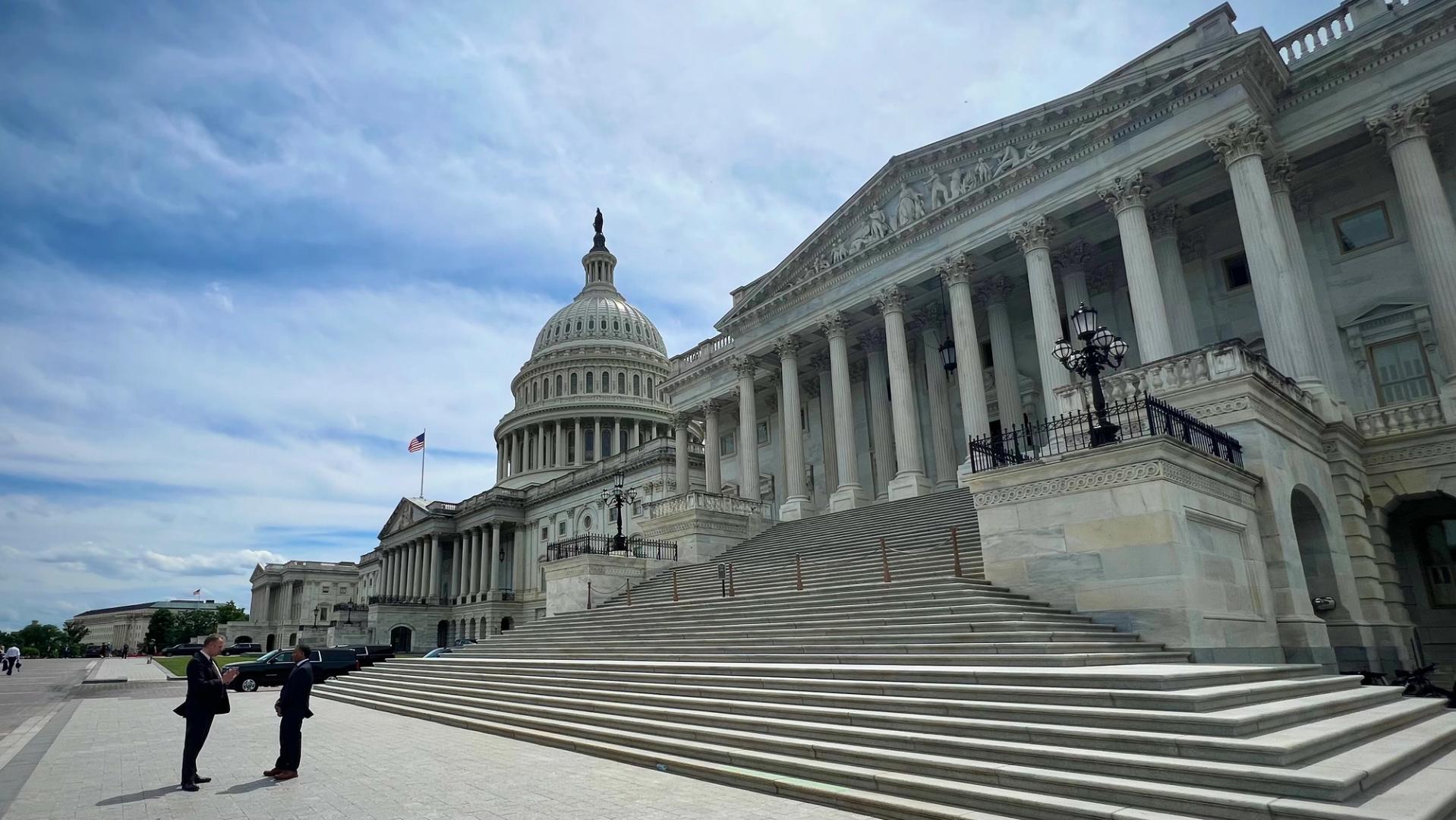
The digital asset landscape is currently experiencing a profound regulatory transformation, aptly dubbed the "Summer of Crypto Regs." This pivotal period sees lawmakers, regulators, and courts actively shaping the future trajectory of cryptocurrency. Intense debates over taxation, groundbreaking proposals from agencies like the CFTC, and high-stakes court cases are converging, signaling a shift from 'wild west' to an era of increasing scrutiny. As a Senior Crypto Analyst, it's clear these unfolding developments will profoundly impact innovation, investor protection, and global competitiveness.
Taxation Takes Center Stage: Untangling the Digital Ledger
The summer's most immediate legislative focus is cryptocurrency taxation. Lawmakers are grappling with how to accurately and fairly tax digital assets, a complex task due to their unique characteristics and global nature. The core challenge lies in defining taxable events—from trading crypto to staking rewards. Current tax codes struggle with the nuances of DeFi and NFTs, creating uncertainty for investors and institutions. Debates intensify on clearer reporting requirements, exploring simplified capital gains or complex income classifications. Increased enforcement signals greater compliance expectations. Clear, pragmatic tax frameworks are essential for legitimate growth and to prevent capital flight, but balancing revenue collection with not stifling innovation remains a delicate act, with ambiguity hindering mainstream adoption.
CFTC's Bold Leap: The Prediction Market Proposal
The Commodity Futures Trading Commission's (CFTC) recent proposal concerning prediction markets adds another layer to the regulatory mosaic. These markets, which allow participants to bet on future event outcomes, are now squarely in the CFTC's sights, particularly blockchain-based versions. This signals a significant expansion into an experimental space. While proponents argue regulation could enhance transparency and protect participants by treating these as commodities or derivatives, critics worry about stifling innovation. Applying traditional rules to rapidly evolving blockchain systems could be overly burdensome, potentially driving permissionless platforms offshore. The outcome will be a bellwether for how the CFTC approaches the broader decentralized derivatives landscape, setting a precedent for other novel crypto instruments.
Court Cases: Precedents in the Making
Perhaps the most immediate and visceral battleground for crypto regulation is within the courts. A multitude of high-profile legal cases are progressing, each with the potential to establish critical precedents. These often involve disputes over whether certain digital assets should be classified as securities, commodities, or something entirely new—a distinction carrying enormous implications for regulatory oversight. Ongoing legal skirmishes, often pitting regulators like the SEC against major crypto players, force judges to interpret existing securities laws for decentralized technologies. Questions around fundraising, secondary market trading, and token classification are being deliberated. Outcomes will influence future token launches, exchange operations, and overall legal certainty. Beyond classification, cases involving market manipulation, fraud, and illicit finance also demonstrate coordinated law enforcement efforts. These underscore the urgent need for clearer regulatory guidelines, as judicial rulings emerge from complex, fact-specific scenarios.
A Broader Lens: Global Implications and the Race for Clarity
While the US regulatory landscape is a significant focus, viewing these developments globally is crucial. Nations worldwide are racing to establish their own crypto frameworks, with varying degrees of success. Jurisdictions like the European Union with MiCA are moving towards comprehensive regulatory packages, aiming to provide clarity and foster innovation. The UK is also actively developing its own approach, signaling a competitive environment where countries vie to become hubs for digital asset innovation. Fragmented and often conflicting global approaches create complex challenges for crypto businesses. The US, with its market size, faces pressure to provide a coherent framework to avoid falling behind in the global race for crypto leadership. Stifling innovation or driving talent offshore due to regulatory uncertainty is a real concern, emphasizing the need for thoughtful, collaborative policy-making.
Challenges and Opportunities: Striking a Delicate Balance
The summer of crypto regulations encapsulates the perennial tension between fostering innovation and ensuring consumer protection, market integrity, and financial stability. The challenge for lawmakers is immense: how to apply decades-old statutes to technologies defying traditional categorization, without stifling the innovation that promises to revolutionize finance. Over-regulation risks strangling nascent industries or driving innovators offshore. Under-regulation, conversely, leaves investors vulnerable to scams and erodes public trust. Yet, amidst these challenges lie immense opportunities. Clear, well-defined regulations can unlock institutional capital, accelerate mainstream adoption, and legitimize the crypto industry. They provide necessary guardrails for responsible innovation, fostering an environment where legitimate projects thrive and bad actors are held accountable. This period of intense scrutiny, though arduous, is a necessary phase in the maturation of the digital asset ecosystem, paving the way for a more stable, secure, and integrated future.
Conclusion: A Defining Moment for Digital Assets
As the summer progresses, the crypto industry stands at a critical juncture. The outcomes of the ongoing debates on taxation, the CFTC's prediction market proposal, and the high-stakes court cases will collectively serve as foundational pillars for the regulatory architecture of digital assets. These aren't isolated events but interconnected threads weaving a complex tapestry that will dictate how crypto assets are defined, traded, taxed, and integrated into the global financial system. Industry participants must remain acutely aware of these developments. The "Summer of Crypto Regs" is more than just a season of legislative activity; it's a defining moment that will shape the contours of the digital economy for decades to come, demanding vigilance, adaptability, and proactive engagement.